Anthropic on Monday filed a federal lawsuit against the US Department of Defense in a California district court, challenging the Pentagon's designation of the company as a "supply chain risk" — a label normally reserved for foreign cybersecurity threats, not US-based AI companies. The suit accuses the Trump administration of retaliating against Anthropic for maintaining safety policies that refused to enable mass domestic surveillance and fully autonomous weapons. Anthropic argues the government's actions violate the First Amendment (punishing its stance on AI safety as a protected viewpoint) and the Fifth Amendment (stripping the company of business without due process). President Trump also ordered all federal agencies to stop using Anthropic's technology within six months. The General Services Administration[1] has already terminated its government-wide Anthropic contract, cutting off all three branches of the federal government. Treasury and State are also reportedly cutting ties. Microsoft, one of Anthropic's largest enterprise clients, said it will continue working with Anthropic but is walling off that work from any Pentagon projects.
[1] General Services Administration (GSA): the federal agency that manages government procurement and IT contracts across all US agencies.
In late February, the Pentagon formally designated Anthropic — maker of the Claude AI assistant — as a "supply chain risk," shocking the tech industry. The designation came after months of dispute over which military applications Anthropic would permit. Anthropic drew lines at autonomous lethal targeting and mass civilian surveillance; the Pentagon argued those restrictions made the company an unreliable defense contractor. Supply-chain risk designations are typically applied to foreign adversaries, not domestic companies. The move raised immediate bipartisan concern: lawmakers warned it would chill AI development and create a precedent where any company with an ethics policy could face government retaliation.
Live Nation — parent company of Ticketmaster — reached a mid-trial settlement Monday with the Department of Justice, resolving a federal antitrust lawsuit alleging it illegally monopolized the live entertainment industry. Under reported terms, Live Nation would pay roughly $200 million in civil penalties, loosen exclusive venue contracts, divest some amphitheaters, and cap Ticketmaster service fees — but would not be forced to sell Ticketmaster. The settlement drew immediate pushback: 27 states and Washington, DC filed for a mistrial, arguing the surprise announcement after jury selection prejudiced their cases. Judge Arun Subramanian called the late disclosure "outrageous," noting he and the DOJ's own lead counsel both learned about the signed term sheet at 6:30 AM Monday. The DOJ Antitrust Division chief and Live Nation's CEO had actually signed the deal on March 5 — a day before either side mentioned the possibility of a settlement in chambers. Subramanian ordered both executives to appear in court Tuesday.
Live Nation Entertainment controls a vertically integrated empire spanning concert venues, artist management, and ticket sales through Ticketmaster. The DOJ sued in 2024, arguing the combined entity locked venues into exclusive contracts and used that dominance to charge consumers inflated fees. The case drew widespread attention after Ticketmaster's system crashed during the 2022 presale for Taylor Swift's Eras Tour, generating enormous consumer outrage and renewed scrutiny of the company's market power. The settlement ends the federal DOJ's case, but 27 state attorneys general are still pushing for a more aggressive outcome — potentially including a forced breakup.
Finance ministers from the G7[1] met virtually on Monday to coordinate a response to oil prices that have surged to nearly $120 a barrel since the US-Israel war with Iran began. The meeting ended without a decision to release emergency stockpiles, but the G7 issued a statement saying it stands "ready to take necessary measures, including to support global supply of energy such as stockpile release." The head of the International Energy Agency[2] warned that "a substantial amount of oil production has been curtailed" and global markets "have deteriorated in recent days." France's finance minister said the group was "not there yet" on releasing reserves — a move last made in 2022 after Russia's invasion of Ukraine. Saudi Arabia said it overnight intercepted two waves of drones targeting a major oilfield. UK Chancellor Rachel Reeves said Britain is ready to support a coordinated release. Trump dismissed concerns on Truth Social, writing that rising prices are "a very small price to pay" for US and world safety.
[1] G7: an informal forum of the world's seven largest advanced economies: the US, UK, France, Germany, Italy, Japan, and Canada.
[2] International Energy Agency (IEA): an intergovernmental body coordinating energy policy among 31 member nations; holds authority to organize coordinated releases of emergency oil reserves.
The Strait of Hormuz — a narrow waterway between Iran and the Arabian Peninsula — normally handles roughly 20% of the world's oil supply. Since the war started, traffic through the Strait has nearly halted, and the US and Israel have struck multiple Iranian oil depots. G7 and IEA member countries collectively hold roughly 1.2 billion barrels in public emergency reserves plus 600 million more under industry obligation — enough supply to meaningfully stabilize markets if released. A coordinated release in 2022 helped cool prices after Russia's Ukraine invasion. The central risk is that a prolonged conflict keeps the Strait closed, sustaining oil and gas price pressure and making central bank interest rate cuts harder to justify.
Researchers at MIT's McGovern Institute for Brain Research published evidence that the brain delivers personalized "error signals" to individual neurons during learning — the biological equivalent of backpropagation, the algorithm at the heart of modern AI systems. The study, led by associate professor Mark Harnett and published February 25 in Nature, used a brain-computer interface in mice: 8 to 10 specific neurons in each mouse's brain were linked directly to a visual reward system. As mice learned to activate the right neurons, the team monitored activity at the neurons' dendrites[1] — the branching extensions where feedback signals were expected to arrive. They found neurons that needed to become more active received upward-pushing signals; neurons that needed to quiet down received opposing signals. When the researchers blocked these signals by manipulating the dendrites, mice stopped learning entirely — confirming the signals were necessary, not incidental. The discovery is the first direct biological evidence of what researchers call "vectorized instructive signals" in the cortex, and Harnett said it opens new opportunities to compare how brains and AI systems actually learn.
[1] Dendrites: branching extensions of a neuron that receive incoming signals from neighboring cells; long theorized as the site where neuron-specific learning feedback arrives.
A foundational open question in neuroscience has been whether the brain learns using something like backpropagation — the gradient-based algorithm that makes modern deep learning effective — or something simpler and less efficient. Most brain learning was thought to rely on broad neuromodulator signals like dopamine releases that update many neurons at once without discrimination. Finding cell-specific instructive signals is the first direct evidence that the brain's cortex can do something approaching the precise, differentiated feedback that makes AI training so powerful, and opens a direct experimental bridge between neuroscience and machine learning research.
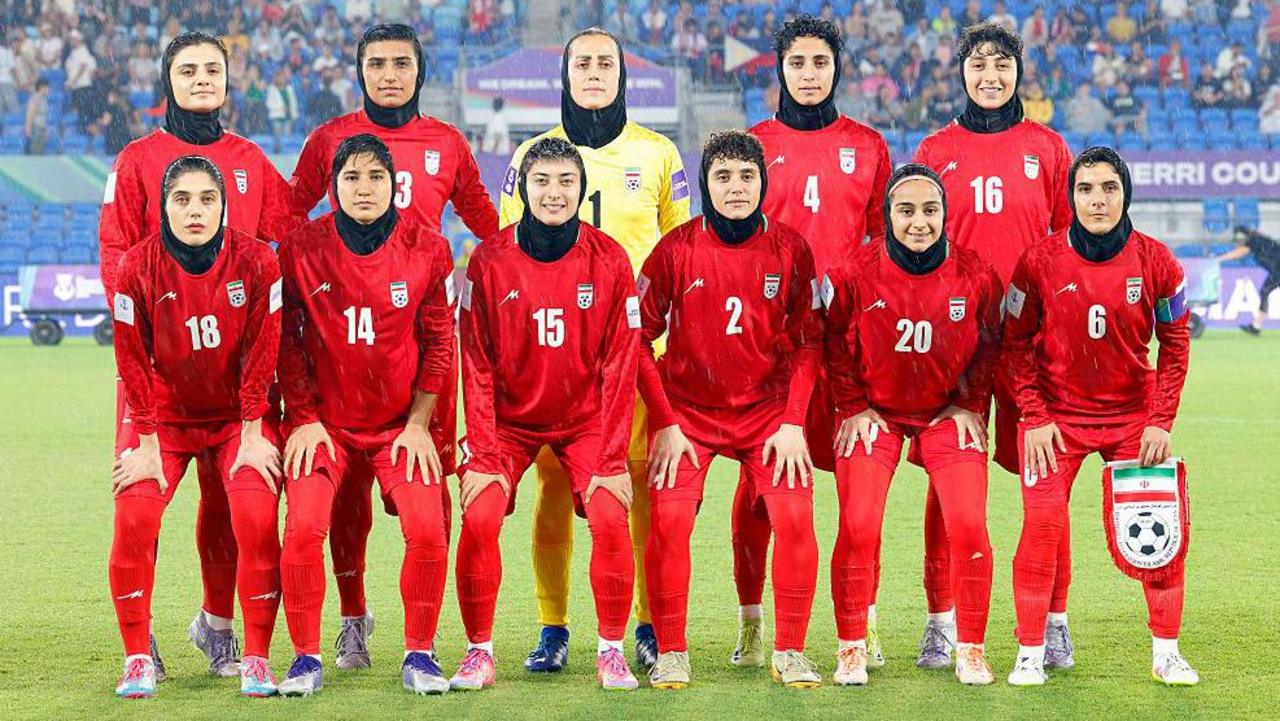
Five members of the Iranian women's national football team have taken refuge in a safe house in Australia after playing in the AFC Women's Asian Cup near Gold Coast[1], sources told the BBC. The team was due to fly home after being eliminated, but concerns grew after several players stayed silent during Iran's national anthem ahead of their opening match against South Korea — a public act of defiance that drew sharp backlash inside Iran, with one commentator calling them "wartime traitors." Hundreds of Iranian-Australian supporters surrounded the team's coach as it left the stadium Sunday, chanting "save our girls." By Monday, five players had left their hotel and were under Australian police protection, with family members telling Australian media they planned to claim asylum. Trump — who has paused the US asylum system and stopped issuing immigrant visas to Iranians — nonetheless posted on Truth Social calling on Australia to grant protection and saying "the US will take them if you won't." He later said he had spoken to PM Anthony Albanese and that five players had "already been taken care of," but suggested some felt they had to return to Iran to protect family members still there.
[1] Gold Coast: a coastal city in Queensland, Australia, about 80 km south of Brisbane.
Iran's women's football team has long operated under intense political scrutiny. Athletes must comply with strict Islamic dress codes, and any act seen as insufficiently patriotic can result in prosecution on return. The team's silence during the anthem carries particular weight amid an active war between Iran, the US, and Israel — a context in which national loyalty is a sharply policed political category at home. Iranian women athletes who have previously fled or spoken out against the regime have sometimes seen family members still in Iran detained or threatened as a form of coercion.
A randomized controlled trial published March 9 in Nature Medicine found that older adults who took a daily multivitamin for two years showed measurably slower biological aging than those who did not. Researchers at Brigham and Women's Hospital in Boston analyzed blood samples from 958 participants — average age 70 — from the COSMOS study at three time points over 24 months. Biological age was estimated using five epigenetic clocks[1] that track how molecular tags on DNA change with age. Multivitamin takers aged roughly four months more slowly on two of the five clocks — both linked to mortality risk. The effect was larger in people already biologically older than their calendar age. Geroscientist Steve Horvath, who developed one of the clocks used, called it "a very interesting and rigorous study" providing "some of the most credible evidence we have to date" that an everyday supplement can slow aging. Researchers caution it is too early to link the findings to specific clinical outcomes like reduced cancer or heart disease rates; the supplement contained standard vitamin and mineral doses with nothing exotic.
[1] Epigenetic clocks: tools that estimate biological age by measuring chemical modification patterns on DNA. Unlike genetic sequence, these patterns are influenced by environment and lifestyle and shift in relatively predictable ways with age.
Biological and chronological ages can diverge considerably: two 70-year-olds may have very different biological ages depending on genetics and lifestyle. Epigenetic clocks have become the leading research tool for quantifying this gap, enabling aging studies to run over months rather than decades. The COSMOS study — one of the largest randomized controlled trials of dietary supplements in older adults — has previously found evidence that omega-3s also slowed epigenetic aging. The multivitamin arm used a standard commercial formulation, making the finding practically relevant: this is a widely available, inexpensive supplement most people can already access.
Hundreds of Croatian teenagers reported for compulsory military service Monday — the country's first mandatory draft since conscription was abolished in 2008. The initial cohort of 800 recruits is training at three military bases over two months, covering traditional field skills alongside drone operation and cyberwarfare defense techniques. More than half of the intake volunteered before receiving call-up papers. Women — one in ten conscripts — face no legal obligation to serve. Only ten people have registered as conscientious objectors, who must instead complete four months of civilian service at reduced pay. Croatia's Defence Minister Ivan Anusic cited the war in Ukraine: "The situation in Croatia was stable. Right now, it's completely different." Croatia joins ten NATO countries — including Scandinavian and Baltic states — that have reinstated mandatory service in recent years. Slovenia's main opposition party is pushing for similar legislation ahead of elections, and Serbia's president has announced service will return within 12 months, unsettling neighboring Kosovo and Bosnia.
Croatia joined NATO in 2009 and abolished conscription that same year as part of post-Cold War restructuring — a path taken by most Western European militaries between the 1990s and 2000s. Russia's 2022 invasion of Ukraine reversed this trend: countries on NATO's eastern flank began reinstating mandatory service and sharply increasing defense budgets. Croatia is separated from Ukraine by only Hungary, making the security calculus feel immediate. The Balkans dimension adds complexity: Croatia's rearmament has raised anxiety in Serbia, and the regional chain of military buildups risks destabilizing a historically volatile region.
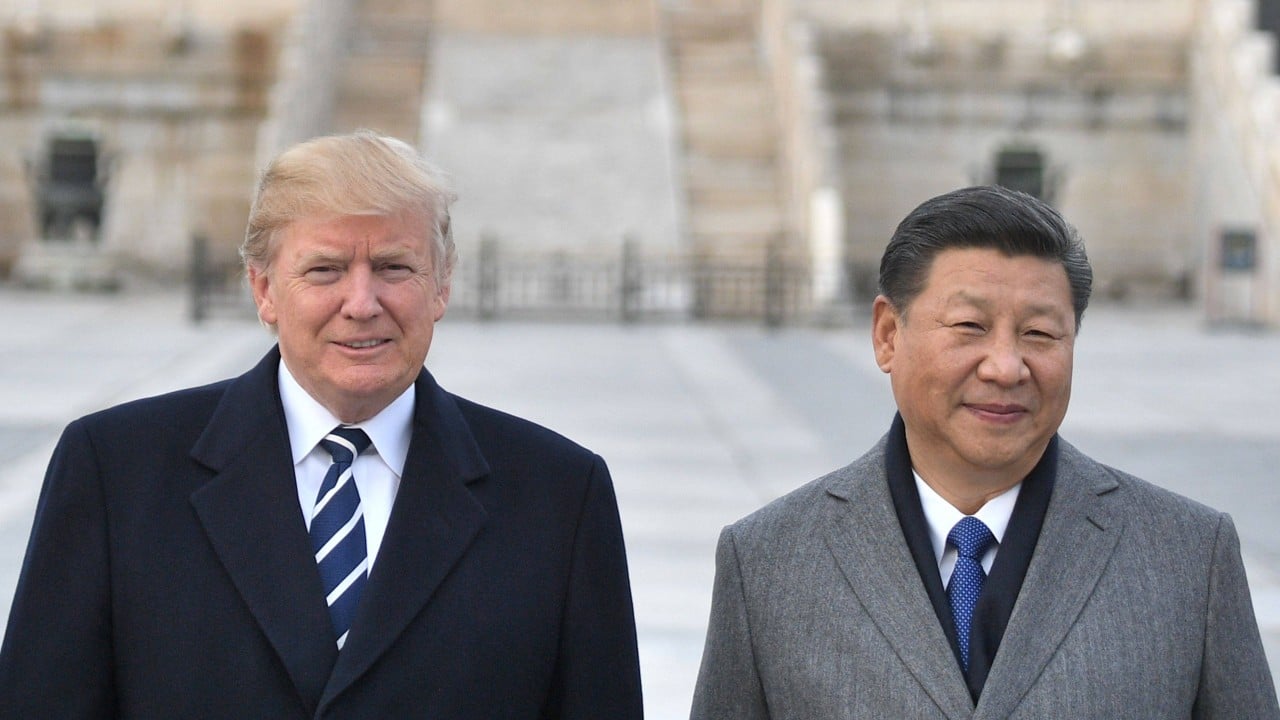
Trump's upcoming visit to China, scheduled for late March, will be limited to Beijing — dropping an earlier plan to include Shanghai — with US advance security teams already on the ground in the final stages of preparations, the South China Morning Post[1] reported Monday, citing multiple sources. Chinese officials had explored a two-city format matching recent state visits by the British and Canadian prime ministers, but one source said Trump's schedule is "very tight" with "no room to squeeze in a visit to a second city." Both sides still view the relationship as "the world's most consequential bilateral relationship" and both leaders are "keen to meet," the source said. The Iran war is having a "very limited" impact on summit preparations. China's Foreign Minister Wang Yi said Sunday that 2026 could still be a "landmark year" in US-China relations.
[1] South China Morning Post (SCMP): a Hong Kong-based English-language newspaper, one of the primary sources of English-language China reporting.
Trump's China trip would be the first visit by a US president to Beijing since Xi began his third term in 2022. The summit carries extraordinary weight: the two countries are in the middle of overlapping disputes over Taiwan, tariffs, fentanyl enforcement, and the Iran war — in which China has maintained energy trade with Iran while trying not to openly undercut US-Israel military operations. A visit to Shanghai would have been diplomatically significant as China's financial hub; its omission narrows the visit to a pure political summit. US advance teams arriving in early March signals the trip is very close to confirmed.
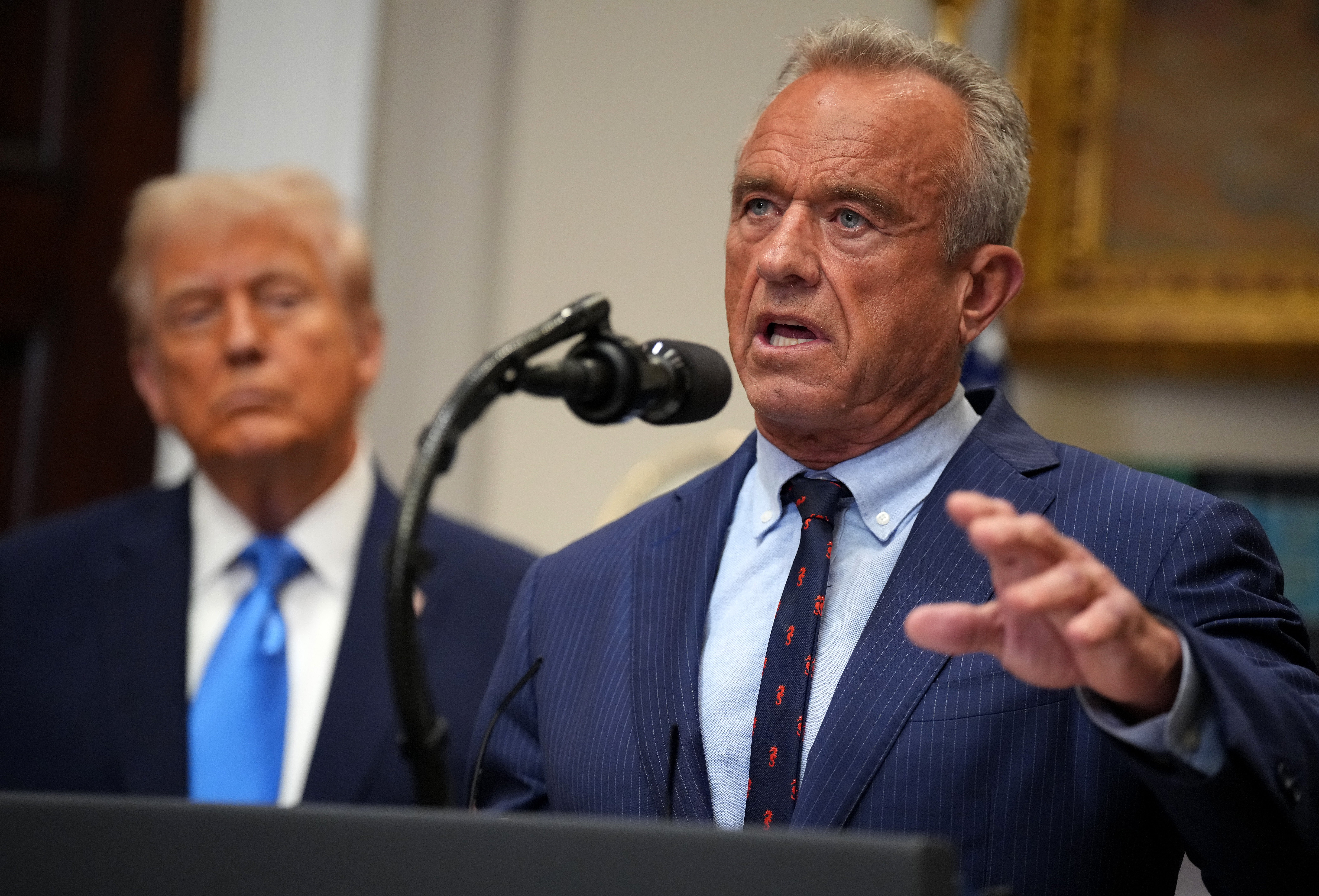
The federal Interagency Autism Coordinating Committee (IACC)[1] has canceled its first public meeting since Health Secretary Robert F. Kennedy Jr. overhauled its membership in January. The meeting, scheduled for March 19, would have been the new committee's public debut. Kennedy replaced the existing members with 21 new appointees, several of whom are vaccine skeptics. The same week the cancellation was announced, 12 mainstream autism researchers — including former IACC members — announced they had formed a rival body called the Independent Autism Coordinating Committee (I-ACC) and scheduled their own meeting for the same day. Helen Tager-Flusberg, an autism researcher who served on the federal panel from 2019 to 2025 and joined the rival group, said Kennedy's IACC is now "filled with people who reject decades of evidence on the causes of autism." The federal IACC historically meets four times a year to guide research direction; it has not held any meeting since Trump's second term began.
[1] IACC (Interagency Autism Coordinating Committee): a federal advisory body created by Congress to coordinate autism research across US government agencies and ensure it reflects scientific consensus.
Kennedy, a longtime promoter of the debunked hypothesis that childhood vaccines cause autism, was confirmed as Health Secretary in February. His overhaul of the IACC removed established autism researchers and replaced them with vaccine skeptics and parent advocates without research credentials. Scientists fear the restructuring will redirect federal autism research funding away from genetics and neuroscience — where evidence is strongest — toward vaccine-related hypotheses the scientific community has thoroughly investigated and rejected. The formation of the I-ACC is part of a broader pattern of independent scientific bodies forming to fill gaps left by federal agencies restructured under the Trump administration.
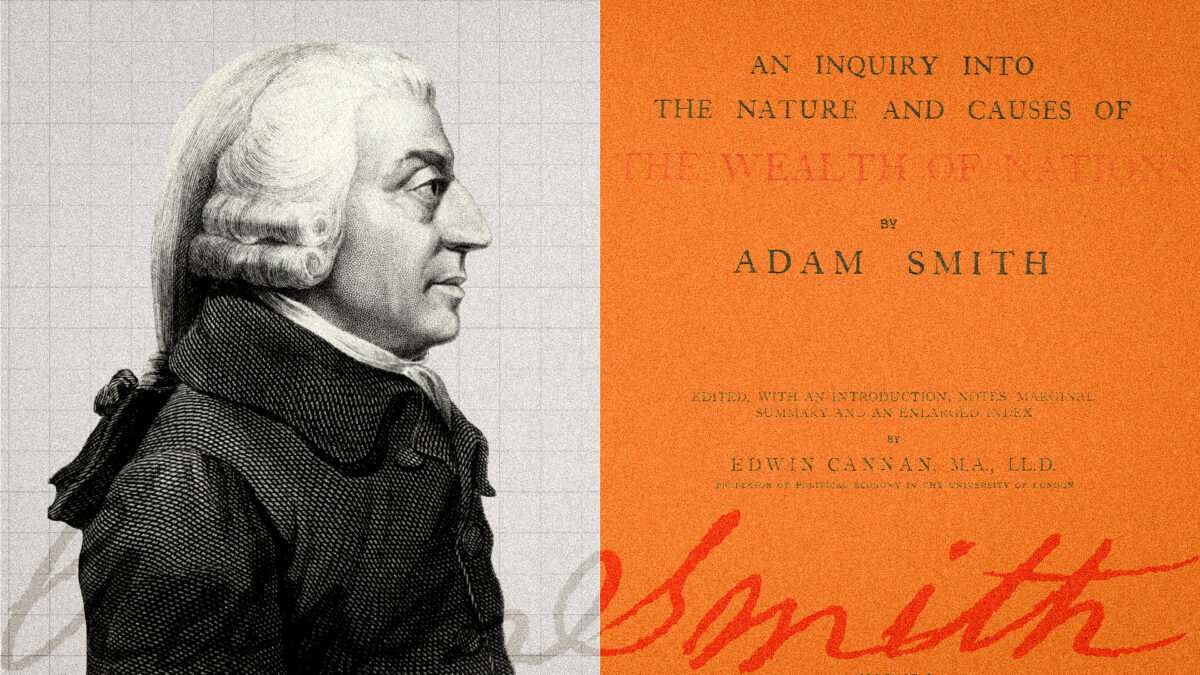
Adam Smith's Wealth of Nations — published in 1776 and widely considered the founding text of modern economics — turns 250 this year. Its central argument still hits: individuals "can in his local situation judge much better than any statesman or lawgiver" how to allocate their resources. Smith was not building a theoretical model, argues J.D. Tuccille in Reason, but documenting what he observed in voluntary market activity alongside the government policies that disrupted it. The through-line from Smith's critique of European mercantilism — kings who hoarded gold, banned imports, and directed production to serve the crown — to today's tariff politics is direct: Trump's framing of trade as a zero-sum competition between national winners and losers is precisely what Smith demolished 250 years ago. Tuccille also notes that Smith recognized a problem his modern admirers often ignore: unchecked markets tend to concentrate power, and business interests are adept at capturing the governments supposed to regulate them.
The Wealth of Nations (1776) is one of the few books genuinely credited with changing how governments organize economic life. Smith coined the phrase "invisible hand" to describe how individual self-interest, operating through price signals, tends to allocate resources more efficiently than central planners. His critique of mercantilism — the dominant doctrine of his era — helped shift European governments toward freer trade over the following century. Smith is also a more nuanced thinker than his modern free-market admirers often acknowledge: he favored public education, was skeptical of corporate monopolies, and explicitly warned that business interests would dominate government if given the chance.