Encyclopedia Britannica and Merriam-Webster filed suit against OpenAI in U.S. District Court for the Southern District of New York, claiming the company used nearly 100,000 Britannica articles without permission to train ChatGPT. The publishers allege OpenAI's models generate responses that contain "verbatim or near-verbatim reproductions" of their copyrighted material, violating both copyright law and trademark statutes through hallucinated content falsely attributed to them. OpenAI counters that its training relied on publicly available data and falls under fair use doctrine—a question increasingly central to AI litigation as publishers from the New York Times to the Wall Street Journal pursue similar claims.
The suit reflects growing tension between AI companies and content creators over training data. September 2025 saw Britannica and Merriam-Webster file an identical suit against Perplexity, another AI-answer engine. These cases will likely shape whether companies must license content or face damages.
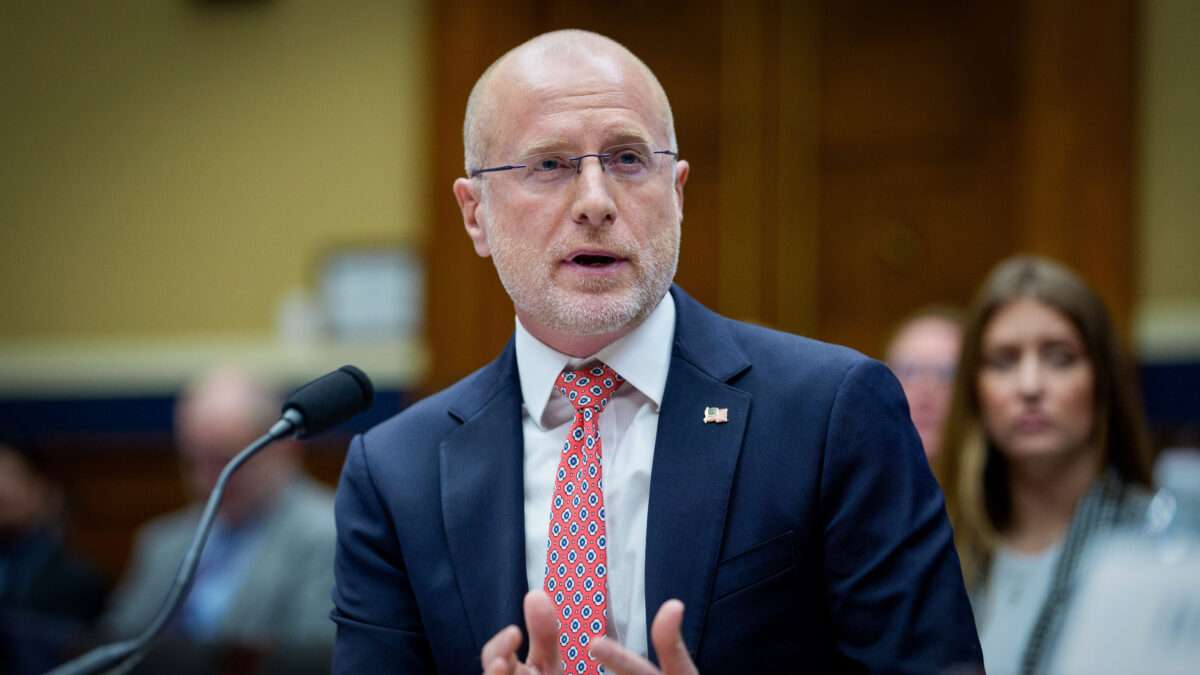
FCC Chairman Brendan Carr warned broadcasters that outlets reporting negatively about the Iran war have "a chance now to correct course before their license renewals come up," implicitly threatening license revocation. Carr accused media of running "hoaxes and news distortions" on the conflict. The threat emerged after President Trump complained about Wall Street Journal coverage of U.S. refueling planes struck in Saudi Arabia—coverage Trump acknowledged as factually accurate but objected to as "intentionally misleading" in framing. Legal experts note Carr lacks authority to revoke newspaper licenses and that journalists should not face government punishment for honest wartime reporting errors.
This episode raises alarm among press freedom advocates. Carr was at Mar-a-Lago when he posted the warning, appearing to coordinate messaging with Trump. The FCC chairman typically operates as an independent regulator, but Carr has positioned himself as Trump's "media pit bull," suggesting regulatory authority may be wielded for political purposes.
A brain-computer interface with implanted electrode arrays decoded electrical signals from two paralyzed individuals' motor cortex neurons to achieve typing speeds of up to 22 words per minute—comparable to texting on a smartphone. The AI-driven system recognizes intended hand and finger movements and translates them into keyboard input, with one participant achieving 110 characters per minute at a 1.6% error rate. This speed is a critical milestone: previous BCIs were "frustratingly slow," limiting users to character-by-character input that made real-time conversation participation impossible. The technology remains experimental, requiring invasive brain surgery and daily calibration, with no FDA approval yet granted in the U.S., though China recently approved a commercial BCI for partial paralysis.
This breakthrough represents a significant step toward practical communication aids for people with near-total paralysis. Previous BCI research lagged far behind this speed threshold, limiting real-world utility. The next challenge is making the technology less invasive, more durable, and accessible beyond small research cohorts.
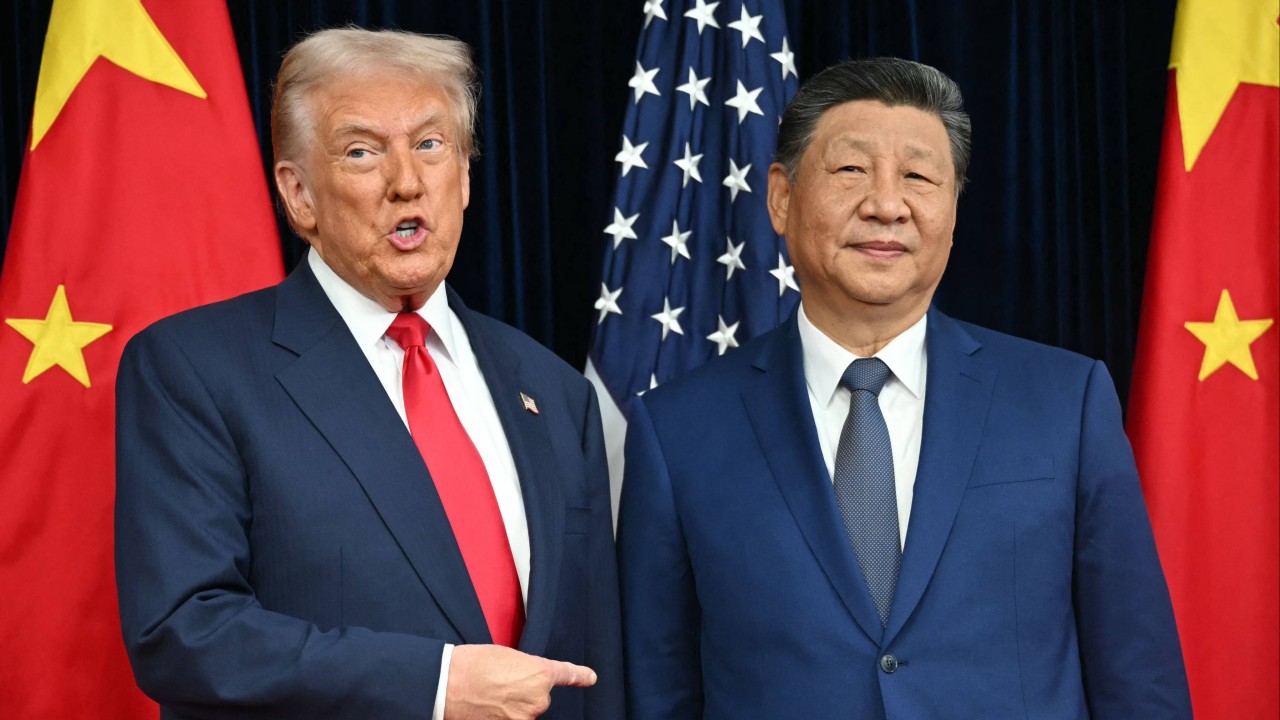
President Trump has explicitly linked his planned Beijing summit with Xi Jinping to China's cooperation in reopening the Strait of Hormuz, demanding Beijing send warships to the strategic waterway. "It's only appropriate that people who are the beneficiaries of the strait will help to make sure that nothing bad happens there," Trump stated, putting China in a diplomatic bind. As the world's largest buyer of Gulf oil, Beijing has economic incentives to stabilize the 20-mile chokepoint through which roughly 20% of global oil flows, but Chinese officials are reluctant to appear to yield to American pressure or become entangled in U.S.-led military operations. Analysts suggest China may pursue quiet diplomacy with Iran rather than public pressure, while questioning whether cooperation without tangible U.S. policy concessions on Taiwan justifies the political cost.
This move conflates two separate crises Beijing sought to isolate: Middle East instability and U.S.-China relations. China values its economic ties to the Gulf and its diplomatic principle of non-interference, creating pressure from both directions.
A meningococcal meningitis outbreak centered at the University of Kent has killed at least 2 students and sickened over 30 others, prompting health officials to contact tens of thousands of people in the region about potential exposure. The disease spreads through respiratory droplets in close-contact settings like student housing, causing fever, confusion, and a distinctive non-blanching rash. The outbreak highlights a vaccination vulnerability: while meningitis vaccines exist and are largely effective, U.K. public health programs primarily immunize infants and teenagers, leaving some college-age populations underprotected—exactly the demographic most at risk in crowded dormitory environments. Health authorities have launched a vaccination campaign and are monitoring close contacts.
Meningitis outbreaks on university campuses are rare but devastating when they occur. The disease can progress rapidly from first symptoms to death within hours, requiring immediate antibiotic treatment. The scale of exposure—tens of thousands contacted—reflects the high transmissibility in shared living spaces.
Kenya and Russia have reached an agreement to halt recruitment of Kenyan citizens to fight in Ukraine, with Kenyan Foreign Minister Musalia Mudavadi announcing the deal after talks with Russian Foreign Minister Sergey Lavrov in Moscow. The agreement came after Kenyan intelligence revealed that more than 1,000 Kenyans had been recruited to fight for Russia—five times the previous official estimate. Many recruits were lured by monthly salaries of several thousand dollars and bonuses exceeding $6,000, often under false pretenses through networks of rogue state officials allegedly colluding with human trafficking syndicates. Lavrov stated Russia would investigate cases causing "concern among our Kenyan friends," though he emphasized Kenyan citizens had "voluntarily signed contracts."
The large-scale recruitment of Kenyans exposed a significant vulnerability in Nairobi's control over foreign recruitment networks. Kenya has framed this as a human trafficking issue, claiming many recruits were deceived about the danger and conditions. Russia's public posture has been to deny coercion while promising to investigate.
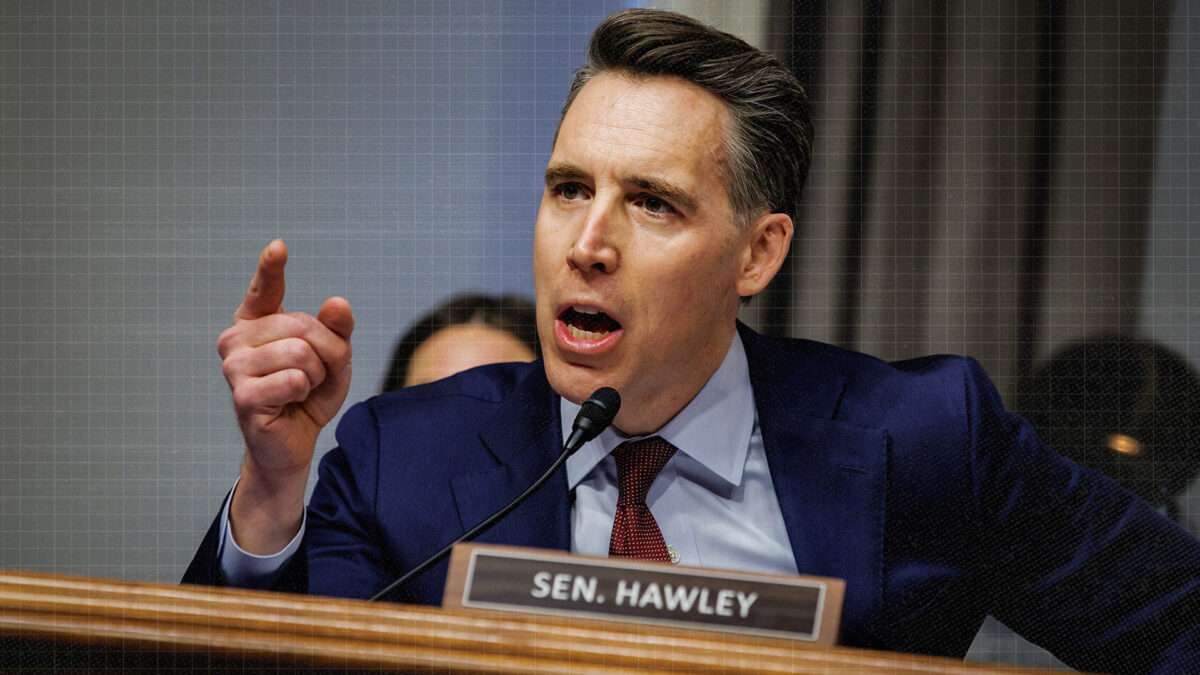
Missouri Senator Josh Hawley introduced bill S.4066 to withdraw FDA approval of mifepristone, the primary medication abortion pill, and create a legal right for patients to sue manufacturers. Hawley claims "the chemical abortion drug is inherently dangerous to women and prone to abuse," citing a conservative Ethics & Public Policy Center report suggesting nearly 11% of users experience serious adverse events. However, critics note the EPPC report was not peer-reviewed, did not release underlying data, and used vague event definitions. Serious complications like sepsis occurred in only 0.10% of cases—consistent with prior research. The largest adverse event category involved emergency room visits, which don't necessarily indicate actual medical problems. Over 100 scientific studies document medication abortion complication rates below 1%, lower than pregnancy itself, colonoscopy, or tonsillectomy.
This bill reflects the broader post-Dobbs landscape where anti-abortion efforts have shifted toward medications. The safety debate centers on conflicting interpretations of adverse-event data; critics argue Hawley's sources cherry-pick definitions to inflate risk.
A benchmarking project called "First Proof" tested whether large language models could meaningfully contribute to research-level mathematics by solving unpublished lemmas—intermediate propositions supporting larger theorems. OpenAI's model correctly proved 5 of 10 problems; Google DeepMind's Aletheia agent solved approximately 6 (experts debate one proof's validity). Combined, the models tackled as many as eight problems, while public collaborative efforts managed only three. Researchers expressed surprise at the performance, but a critical gap remains: current models generate "thousands and thousands of pages of garbage" alongside correct answers, confidently asserting false claims buried in lengthy calculations. The gap between corporate and open-source AI performance also suggests proprietary advantages that could shape future mathematical research access.
This work signals a potential shift in how mathematicians approach difficult problems, but validates deep skepticism about AI reliability. The models' tendency to hallucinate plausible-sounding errors means human verification remains essential.
A London insolvency judge invalidated witness testimony after discovering the defendant was receiving real-time coaching through smartglasses. During cross-examination of Laimonas Jakštys in a Lithuanian company liquidation case, a court interpreter heard interference from the eyewear. When the judge ordered the glasses removed, a voice broadcast from Jakštys's connected mobile phone. Call logs showed numerous incoming calls from a contact labeled "abra kadabra" timed precisely to his testimony. When confronted, Jakštys blamed the voice on ChatGPT—a claim Judge Agnello found to "lack any credibility." The judge discredited all of his testimony, finding he "had been coached through the smart glasses," and removed him from insolvency proceedings.
This case highlights vulnerabilities in courtroom verification procedures as wearable technology becomes more sophisticated. Smartglasses can transmit audio and video discreetly, enabling real-time coaching that traditional court procedures were not designed to detect.
The 2026 Chinese Grand Prix in Shanghai attracted a record 230,000+ cumulative spectators over the weekend—the highest attendance in nearly two decades—with a single opening-day record of 27,000+ foreign arrivals through Shanghai's ports. Ticket revenue rose over 30% year-on-year, with overseas spectators comprising 16% of attendees and domestic Chinese visitors 64%. The event generated wider economic ripples: inbound tourism bookings during the F1 weekend surged 20% year-on-year, while hotel reservations in Shanghai jumped 96%. The turnout signals success in Shanghai's bid to establish itself as a global sports destination, particularly as F1's new sprint-race format continues to draw crowds.
Shanghai has hosted F1 since 2004. This record turnout reflects both the city's growing international profile and the success of F1's 2022 format changes introducing sprint races alongside traditional Sunday Grand Prix events. The sport's popularity in China has grown substantially as both a spectator and manufacturing market.