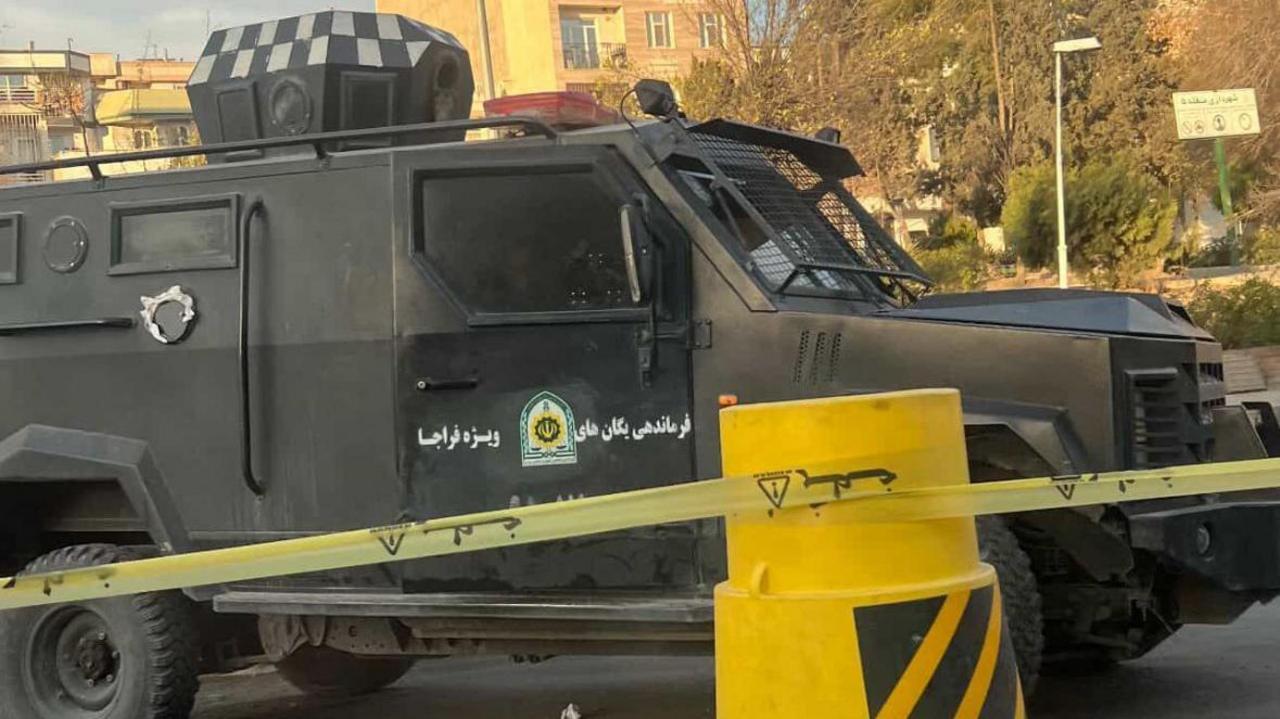
Tehran residents describe heavily fortified security checkpoints across the capital, where authorities are stopping and searching people amid fears of anti-government demonstrations. The Basij paramilitary forces, responsible for suppressing previous mass protests, have intensified patrols two weeks into the ongoing war with Israel. These checkpoints represent an escalation in the regime's attempt to prevent dissent, building on crackdowns that followed months of widespread unrest. The heightened security reflects the government's anxiety about domestic opposition during a time of external military pressure, with residents reporting increased scrutiny at major intersections and transportation hubs throughout the city.
Iran has faced sustained anti-government protests since December 2025, with the January unrest drawing severe crackdowns. The ongoing military conflict with Israel, now in its second week, has intensified state control measures.
Iranian state television and news outlets are systematically misrepresenting the war through exaggerated enemy casualty figures, edited imagery, and propaganda-style framing designed to boost public morale and legitimize the regime's narrative. Analysts have documented digital alterations to photographs, inflated damage assessments, and repeated use of unverified claims about military successes. This information management strategy extends beyond simple selective reporting—it involves deliberate fabrication aimed at shaping domestic and international perceptions of the conflict. The discrepancy between state media claims and independent reporting reveals significant gaps in official transparency, raising questions about the actual military situation and casualties.
State control of media narratives is a longstanding feature of Iranian governance. The current conflict with Israel has intensified pressure to maintain public support through curated information.
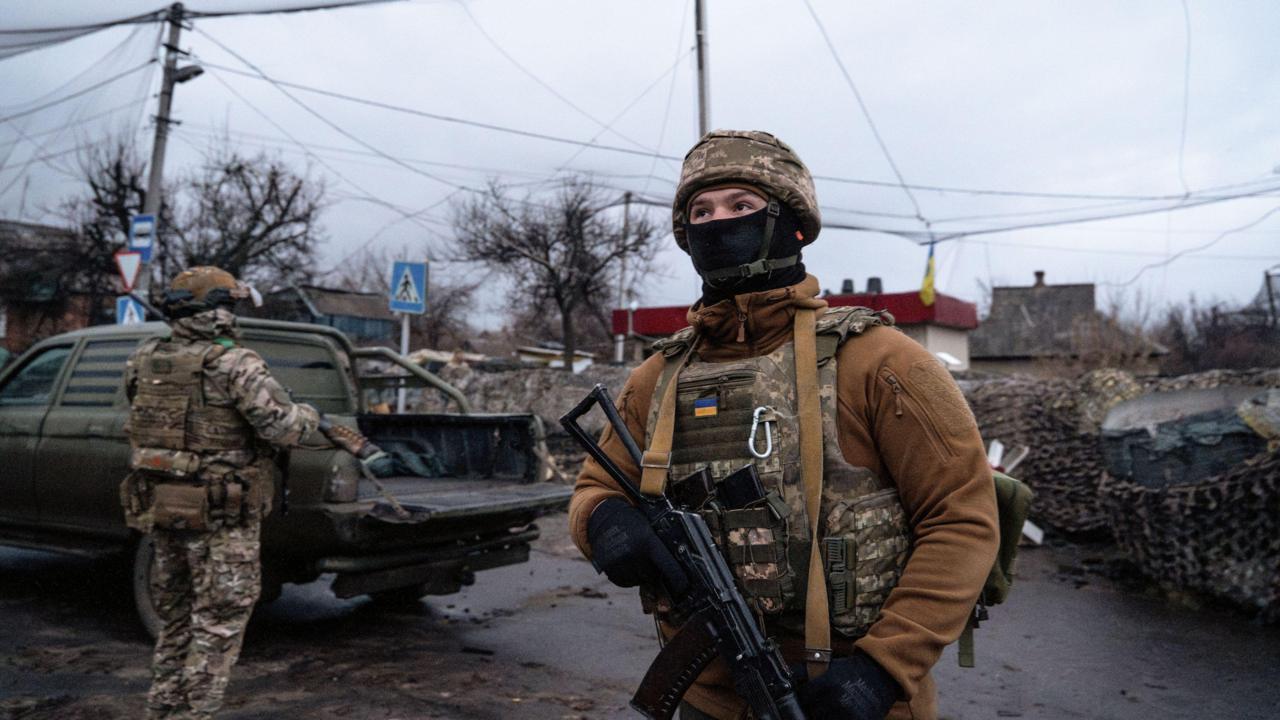
Ukraine is locked in an urgent campaign to secure financing from the IMF, the EU, and bilateral donors as the ongoing war creates a catastrophic budget crisis. The country approved an $8.1 billion IMF Extended Fund Facility in February, but faces a total financing gap of roughly $136.5 billion through 2029—with $63 billion needed in just 2026–27. GDP has contracted by approximately 20 percent since 2022, and the 2026 budget allocates 60 percent of expenditures ($112 billion) to military spending, leaving a shortfall of roughly $45 billion. Zelensky's government is simultaneously raising domestic taxes while negotiating with international lenders, highlighting the precarious balance between war efforts and economic survival.
Ukraine's economy collapsed after Russia's 2022 invasion. The country has survived largely on external aid, but donor fatigue and competing global priorities now threaten funding. The war shows no signs of ending.
President Zelensky argues that restoring Russian oil flows through Ukraine into Europe would amount to lifting economic sanctions on Moscow and rewarding Russian aggression, according to his latest statements on the contentious pipeline dispute. The disagreement centers on whether Russian oil transiting through Ukrainian territory should resume, with European nations seeking energy security and cost relief while Zelensky views resumed flows as capitulation. Zelensky's use of the term "blackmail" signals escalating frustration with European allies over what he perceives as prioritizing economic interests over Ukraine's existential security stakes—a rift that threatens to complicate NATO unity.
Europe's energy dependence on Russian gas has created a persistent geopolitical vulnerability. Ukraine has historically served as a transit country, giving Kyiv leverage but also making it a target for Russian pressure and European economic negotiations.
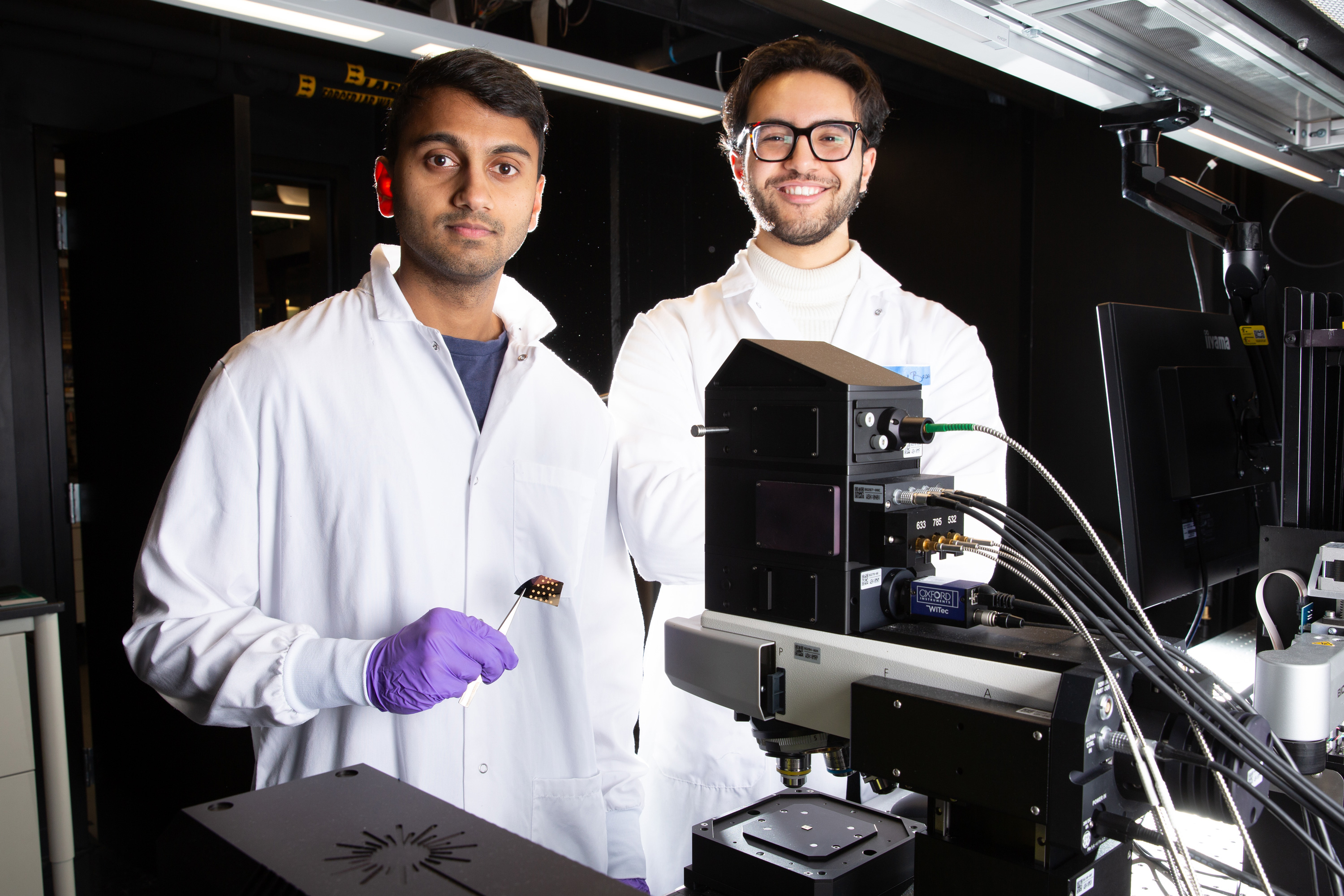
Engineers at MIT have developed PlasmoSniff, a portable chip-scale sensor that detects pneumonia and other lung diseases by analyzing exhaled breath within minutes—moving rapid diagnosis out of laboratories and into clinics and emergency rooms. The device uses a clever two-step process: patients inhale nanoparticles carrying synthetic biomarkers (similar to asthma inhalers), which are cleaved by disease-specific enzymes if infection is present. The nanoparticles are then exhaled and captured by the sensor, which uses plasmonic technology—a layer of gold nanoparticles creating nanoscale gaps that amplify the biomarker's vibrational signal for identification via Raman spectroscopy. This breakthrough replaces laboratory-grade equipment with a portable alternative achieving clinical-level sensitivity, with applications extending to industrial chemical and pollutant detection.
Rapid pneumonia diagnosis is critical in emergency medicine and developing-world settings where laboratory infrastructure is limited. Current methods require blood draws or imaging, introducing delays that impact patient outcomes.
A sophisticated supply-chain attack campaign known as Glassworm has infiltrated over 150 GitHub repositories, npm packages, and VS Code extensions using zero-width Unicode characters to hide malicious code in plain sight. The attackers exploit Unicode Private Use Area characters (ranges 0xFE00–0xFE0F and 0xE0100–0xE01EF) that render as invisible whitespace in code editors, embedding a hidden decoder that executes via eval() and deploys a second-stage payload. The malware harvests credentials, API tokens, and secrets—previously leveraging the Solana blockchain for command-and-control operations. Compromises occurred between March 3–9, with notable victims including Wasmer and other open-source projects. The attackers appear to use large language models to make injections stylistically consistent with target projects, suggesting a coordinated, well-resourced campaign spanning multiple software ecosystems.
Supply-chain attacks targeting open-source dependencies have become an increasingly common vector for compromising software products at scale. Previous Glassworm campaigns have successfully stolen developer credentials and private keys.
百图生科 (BioMap), the AI life sciences company supported by Baidu founder Li Yanhong, has confidentially submitted an IPO application to the Hong Kong Stock Exchange, hoping to raise hundreds of millions of dollars. Founded with backing from Baidu, BioMap is focused on AI-driven drug discovery—positioning itself to compete with platforms like DeepMind's AlphaFold. The company previously signaled plans to pursue Hong Kong listing within 1.5 years (as of mid-2025), but the confidential filing suggests an accelerated timeline. Hong Kong authorities have expressed strong interest in biotechnology investment as part of the city's broader push to establish itself as a global life sciences and tech hub.
Li Yanhong, founder of Baidu (Chinese search giant), has diversified investments beyond internet into life sciences, particularly AI applications in drug discovery. Hong Kong's government has been aggressively recruiting biotech companies to boost the economy.
'We will go wherever they hide,' declare military and regional officials in an intensifying campaign against ISIS-Somalia in the Horn of Africa. Somalia became a critical node in ISIS's global network after the militant group was driven from strongholds in Syria and Iraq, with fighters and resources migrating to coastal regions where they have recruited locally and established administrative structures. Regional military forces, with international coordination, are now conducting sustained operations to dismantle ISIS operations in major cities and remote areas. The campaign reflects a broader shift in counter-terrorism strategy: as the Islamic State's territorial caliphate collapsed in the Middle East, franchises in Africa have grown increasingly sophisticated, requiring renewed military focus.
Somalia has been fragmented by civil conflict for decades, creating ungoverned spaces where militant groups thrive. ISIS established itself there around 2015 and has expanded significantly since Syria's collapse.
via The Verge, Wall Street Journal, New York Times
The Trump administration is allegedly collecting approximately $10 billion as a fee for brokering the TikTok divestment arrangement, according to sources cited by the Wall Street Journal and New York Times. The money supposedly comes from new investors and existing partners, including Oracle, who are assuming stakes in TikTok's US operations as part of the complex restructuring required to keep the app operational after Congress threatened to ban it. Trump previously claimed the US would receive 'a tremendous fee' when announcing the deal, but the $10 billion figure is far more concrete and suggests the administration is treating the transaction as a revenue opportunity. The arrangement underscores the politicization of tech regulation, where deals are brokered at the executive level with direct financial benefits to the ruling administration.
TikTok faced a Congressional ban in 2024–2025 due to national security concerns over Chinese ownership. The Trump administration intervened to broker a deal avoiding the ban through forced restructuring, extracting what appears to be significant compensation.
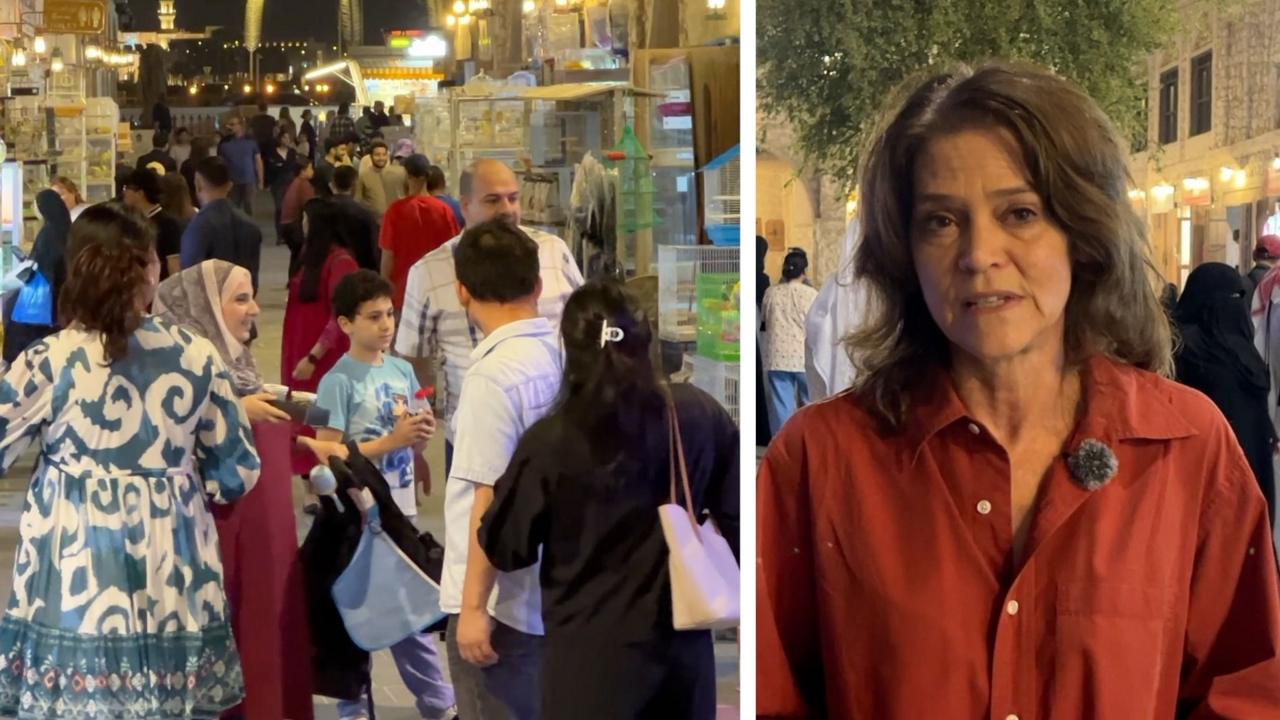
As military strikes continue across the Middle East during the second week of the Iran-Israel war, BBC correspondent Barbara Plett Usher visited [Doha's] famous Souq Waqif market to document signs of economic resilience and cautious normality amid the conflict. Vendors report gradual return of customers despite ongoing military operations nearby, and the market—a symbol of regional stability and commerce—is slowly reopening to foot traffic. The report illustrates how civilian life in parts of the Middle East is adapting to sustained military conflict rather than halting entirely, though underlying anxiety about escalation remains. The contrast between routine commerce and the existential military threat underscores the psychological complexity of life in a region under active military pressure.
Qatar has maintained relative insulation from direct military strikes while hosting regional diplomatic efforts. Doha serves as a regional financial hub and mediator in Middle Eastern conflicts.