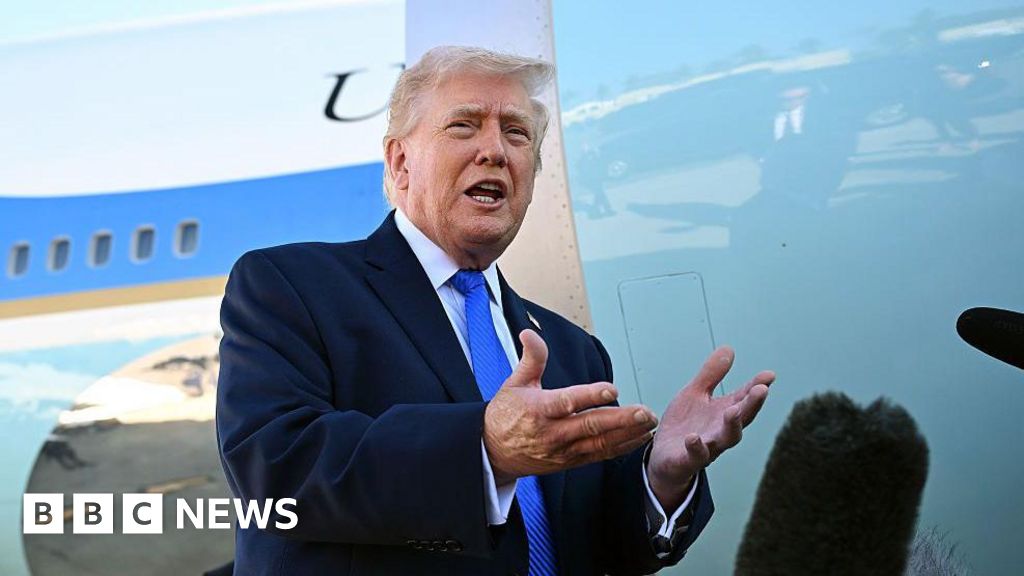
Donald Trump said he will travel to China in May for a meeting with Xi Jinping after a trip that had been expected earlier was pushed back by the Iran war, putting leader-level diplomacy back on the calendar at a moment when both governments seem to want a pause from constant crisis management. The BBC says it would be the first visit to China by a sitting US president since 2017. That matters because Washington and Beijing are still trying to keep their relationship from slipping back into open confrontation after a year of tariff fights, export controls, and military friction around Taiwan and the South China Sea. A summit does not promise a grand bargain, but it does tell markets, allies, and bureaucracies on both sides that direct bargaining is still alive, and that neither capital wants every disagreement to be handled through retaliation and brinkmanship alone.
Trump last visited China in 2017. Any new trip will unfold under the shadow of the Iran war, unresolved tariff disputes, and the broader question of whether Washington and Beijing can manage rivalry without another sharp breakdown.
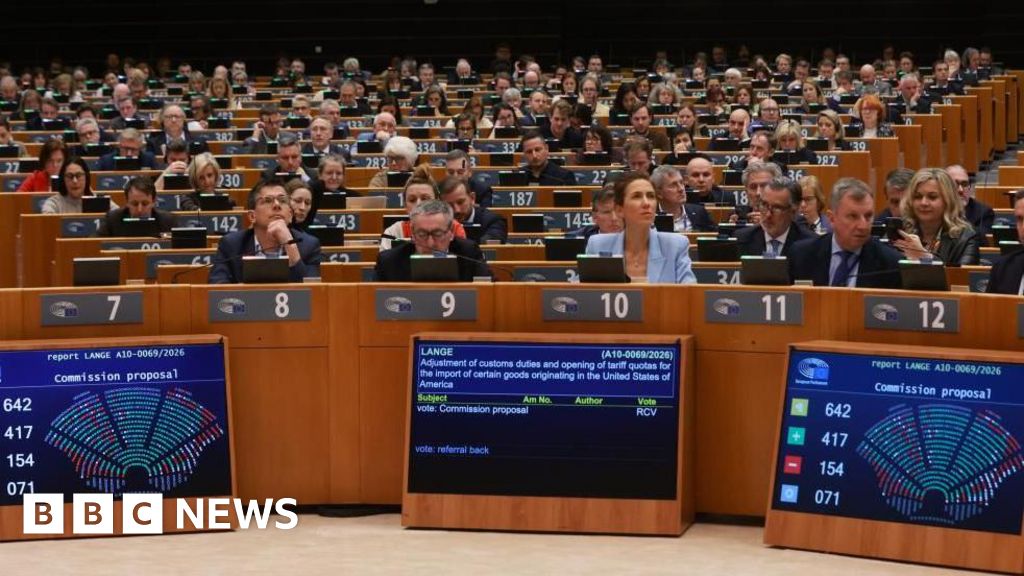
The European Parliament moved the EU-US Turnberry trade deal forward, but only after tightening the terms under which tariff cuts would actually take effect. Parliament and the BBC say lawmakers are willing to lower tariffs on most US industrial and agricultural goods, yet only if Washington honors its side of the bargain. One central demand is steel-related: tariffs on many EU products containing steel or aluminium must come down from 50% to 15% before the package fully bites. Lawmakers also added a stronger suspension mechanism and a 2028 sunset clause, reserving the right to halt implementation if the US reopens a tariff fight. So this was not a warm free-trade celebration. It was Brussels trying to lower tensions while making clear that it does not trust the White House enough to hand over concessions first and hope the rest of the deal materializes later.
The Turnberry framework was struck in July 2025 by Trump and Ursula von der Leyen. It promised lower tariffs, more EU investment in the US, and major European energy purchases, but Parliament and EU governments still have to finalize the binding legal terms.
via Scientific American, National Snow and Ice Data Center
The Arctic's winter ice cover appears to have peaked at 14.29 million square kilometers on March 15, effectively tying the lowest seasonal maximum in the satellite record and giving the 2026 melt season a dangerous head start. Scientific American, citing the National Snow and Ice Data Center, says the peak was 1.36 million square kilometers below the 1981-2010 average, a missing area of ice roughly twice the size of Texas. The deeper problem is not just one bad year. Thin, diminished winter ice leaves more dark ocean exposed during summer, which absorbs sunlight instead of reflecting it and accelerates additional warming and melt. In other words, the Arctic is losing one of its own cooling mechanisms. That feedback loop is why scientists increasingly talk less about isolated records and more about the steady transformation of a region that used to behave like a climatic stabilizer.
Arctic sea ice grows through winter and usually reaches its yearly maximum in March. Scientists care about the maximum because it sets the starting point for summer melt, and recent years have shown that the long-term decline now spans all seasons, not just late summer.
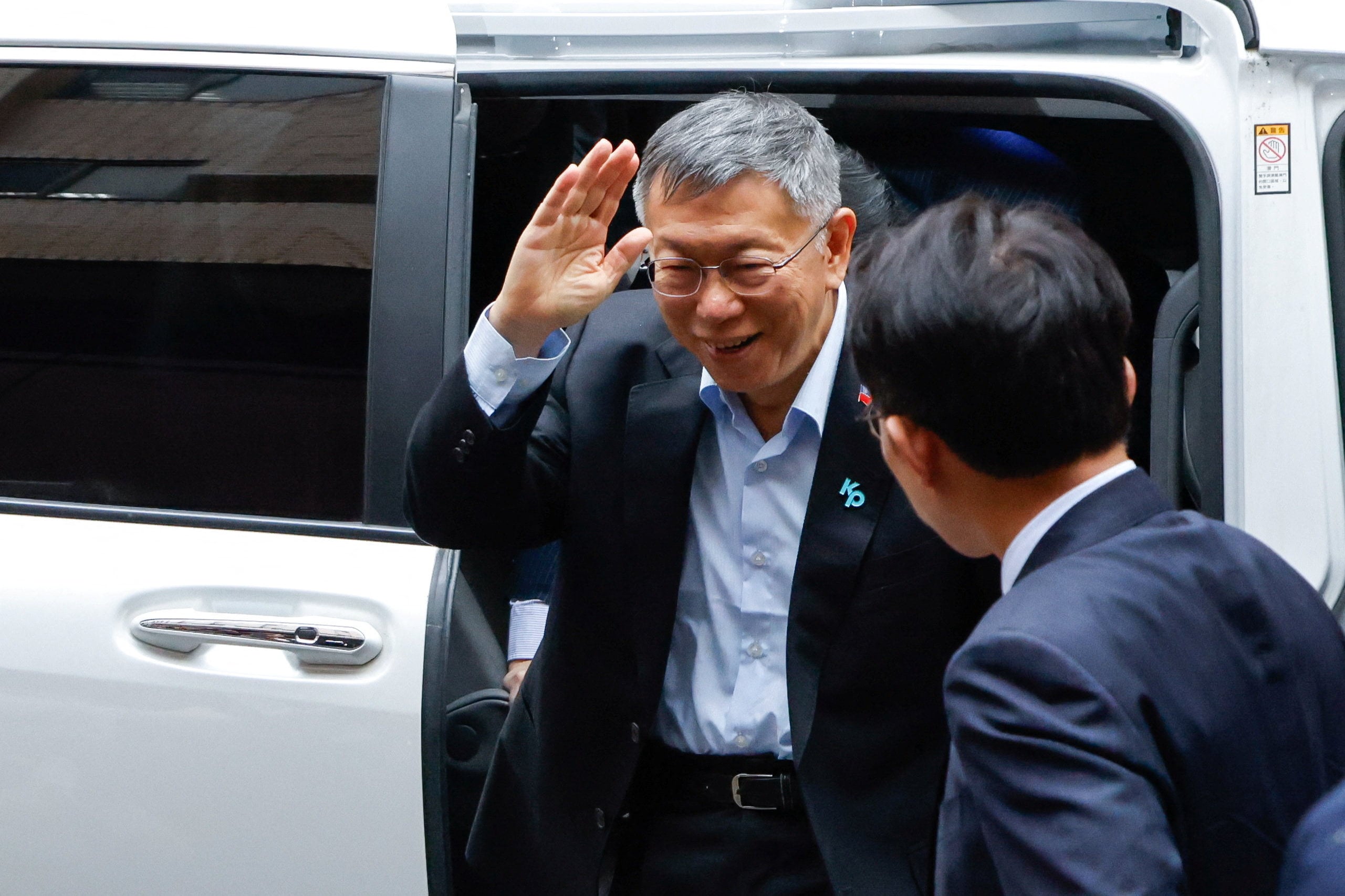
A Taiwanese court sentenced former Taipei mayor Ko Wen-je to 17 years in prison and barred him from public office for six years, a ruling that all but ends the most plausible 2028 presidential run outside the island's two dominant parties. SCMP reports that prosecutors accused Ko of taking NT$17.1 million in bribes tied to a property-development case, embezzling more than NT$68 million in political donations linked to the TPP, and misusing campaign money routed through a social-welfare foundation. Ko denied wrongdoing throughout the case and called the prosecution politically motivated. The verdict lands at a brutal moment for the party he built, because the TPP had been exploring electoral cooperation with the larger KMT ahead of local elections later this year as both looked for a path to challenge the ruling DPP in 2028. Now that strategy has to survive without its founder.
Ko founded the TPP in 2019 after winning national attention as Taipei mayor and running as a centrist outsider. Taiwan's next local elections will test whether the party remains a real third force or slides back into dependence on the KMT-DPP duopoly.
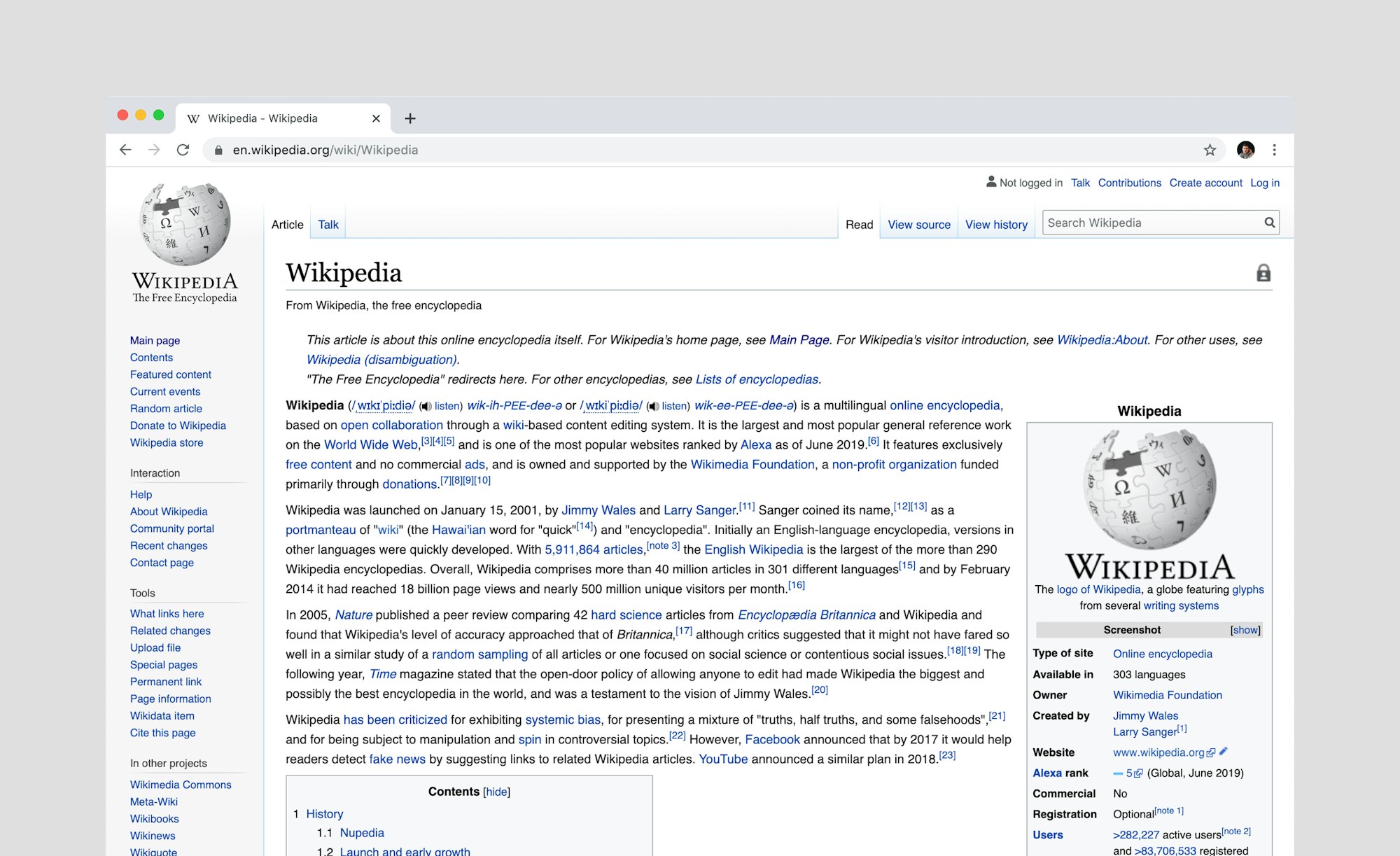
Wikipedia volunteers have adopted a new rule that bars people from using large language models to generate or rewrite article content, turning months of anxiety about AI slop into a formal editorial line. 404 Media reports that editors accepted the policy on March 20 after repeated fights over machine-written text that looked fluent but often violated basic Wikipedia standards around sourcing, neutrality, and originality. The wording is blunt: AI-generated article prose is prohibited except for narrow exceptions laid out in the policy itself. The significance is larger than one website's style guide. Wikipedia sits underneath search engines, chatbots, classrooms, and countless casual fact checks, so a flood of plausible-but-unreliable machine text there would spread far beyond the encyclopedia. This rule is an attempt to stop that contamination at the source, before the site's unpaid editors are buried under cleanup work they cannot realistically scale forever.
Wikipedia has long allowed software tools, but only under strong human accountability. The AI fight is sharper because text generators can produce polished paragraphs quickly, making low-quality or fabricated material harder for volunteer editors to spot before it spreads.
The European Parliament dealt another blow to the long-running "Chat Control" push, rejecting a renewed effort to preserve untargeted scanning of private messages and leaving the legal basis for today's broad voluntary system in serious doubt before its April 4 expiry. Privacy advocates described the vote as a narrow but consequential win against routine message monitoring by companies such as Meta and Google, while more centrist coverage noted that lawmakers still want child-abuse enforcement tools that are narrower, more targeted, and protected by judicial oversight. The practical meaning is that Brussels is no closer to a stable consensus. One side argues that mass automated scanning of private chats is incompatible with encrypted communication and basic privacy rights; the other says letting the temporary regime lapse would remove a tool used to surface child-abuse material. The Parliament again chose to break with the broadest scanning approach, not to settle the whole argument.
The current temporary EU exemption has allowed platforms to scan private communications for child sexual abuse material on a voluntary basis since 2021. The larger political fight is over whether Europe should move toward targeted, warrant-based tools or normalize wider automated surveillance in private messaging systems.
The Trump administration has quietly removed trans-inclusive gender identity options from hundreds of federal forms and databases, turning what looked at first like a symbolic culture-war order into a broad restructuring of how the government counts people. Mother Jones, citing federal-data monitors, says more than 500 databases have been affected by Trump's executive-order spree and nearly three quarters of those changes trace back to EO 14168, which instructs agencies to restore a strict male-female framework. The revisions hit sensitive systems as well as bureaucratic ones, including data collections related to the 988 crisis line, homelessness, passports, and federal student aid. The immediate effect is not that trans people disappear from public life, but that disparities become harder to measure, document, and challenge. In practice, deleting a category from a form is also a way of narrowing what problems the state can officially acknowledge as existing.
Federal agencies only recently began expanding data collection around gender identity, especially in health and civil-rights contexts. Many of those changes were tied to Biden-era inclusion efforts; the current rollback shows how quickly administrative forms can reshape what the state can and cannot see.
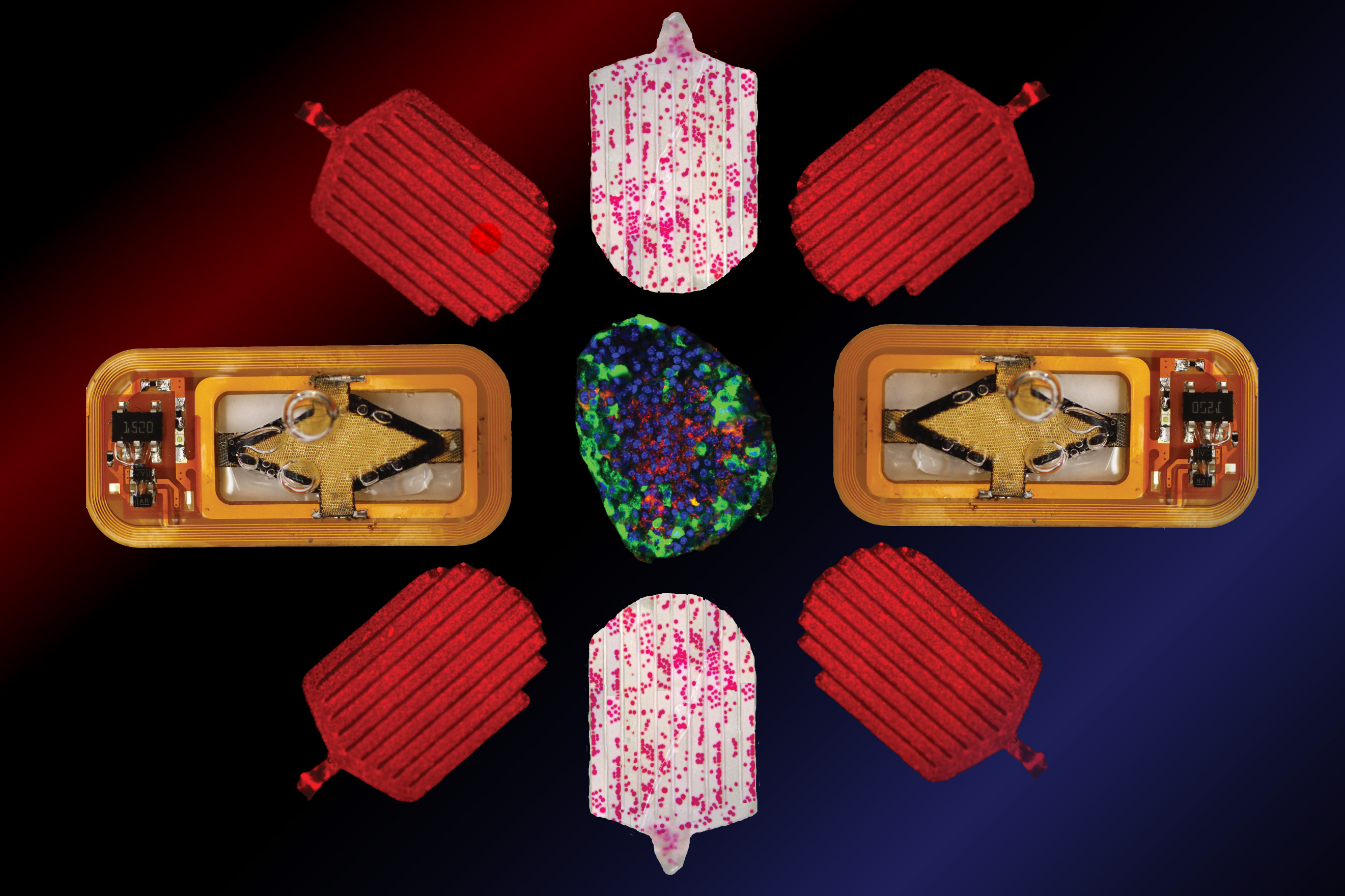
MIT researchers say they have pushed an implantable diabetes device closer to something that could one day replace repeated insulin injections with a long-lived internal cell therapy. In mice and rats, the team kept transplanted islet cells alive and functional for at least 90 days by sealing them inside a protective capsule that blocks immune attack while feeding them oxygen from a tiny onboard generator. That oxygen system matters because encapsulated cells usually fail when they cannot breathe well enough to keep making insulin. MIT says the device worked not only with donor islet cells but also with islets derived from induced pluripotent stem cells, which raises the prospect of a more scalable cell source if the approach ever reaches people. It is still early-stage animal work, but the basic promise is unusually concrete: make the body manufacture its own insulin again without lifelong immune suppression.
Islet transplantation can already help some patients with type 1 diabetes, but current approaches usually require immunosuppressive drugs. That makes a protective implant attractive, provided the device can keep the cells oxygenated and functioning for long periods inside the body.
Georgia State Patrol used footage from a Flock automated license-plate reader camera to ticket a motorcyclist for allegedly holding a phone while riding, an unusual use of a surveillance system that police departments routinely describe as a tool for serious crime investigations rather than day-to-day traffic enforcement. 404 Media obtained the citation, which explicitly said the violation was captured on a Flock camera in Coffee County on December 26. A state-police spokesperson called it a rare and unique circumstance tied to an expired registration stop, but the broader lesson cuts the other way. Once a camera network exists and produces images detailed enough to reveal additional conduct, promises about how it will not be used become fragile. The rider later said the citation was dropped, yet the episode still matters because it shows how easily infrastructure sold for violent crime and stolen cars can slide into routine behavioral policing.
Flock builds nationwide automated plate-reader systems used by local police. Civil-liberties critics have warned for years that even when agencies promise the cameras are not for traffic enforcement, the underlying system still creates a searchable archive that can be repurposed once it exists.
A startup called Math, Inc. says its AI system Gauss has translated two of Maryna Viazovska's famous sphere-packing proofs into Lean code and had them formally verified by a computer, a result that hints at a real shift in how advanced mathematics might be checked. Scientific American reports that one of the proofs expanded into about 120,000 lines of code, the sort of labor that usually takes human teams months or years because every definition, symbol, and logical step has to be made painfully explicit. The technical achievement is impressive enough on its own, but the reaction inside mathematics has been mixed. Researchers who had been formalizing the same work collaboratively felt blindsided when the startup appeared to leapfrog years of community effort, and some worry that AI verification will reshape credit, authorship, and the training value of painstaking proof work. Even so, the door now looks open.
Formal proof systems have existed for decades, but the bottleneck is translating ordinary mathematical writing into a rigid language a computer can verify. If AI can do that translation reliably, proof-checking could become much faster and much more common across the discipline.