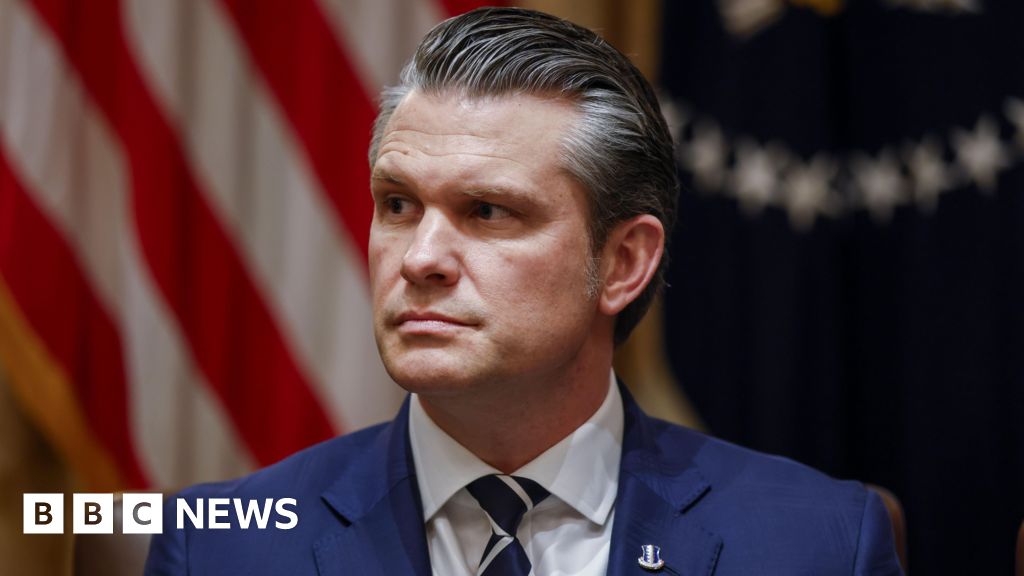
A federal judge in San Francisco temporarily blocked the Pentagon from enforcing its "supply chain risk" designation against Anthropic, a label that could have pushed contractors and agencies to phase out Claude and damaged the company's commercial business far beyond defense work. The ruling is a significant setback for the administration because the designation was presented as a national-security measure but grew out of a fight over how freely Anthropic's models could be used by the military. Anthropic says it accepted defense work but refused terms that would let Claude be used for fully autonomous warfare or mass domestic surveillance; Pentagon officials say those uses are already illegal and accuse the company of grandstanding. The injunction does not end the case, but it keeps the government from using an unusually severe procurement tool against a major American AI lab while the broader dispute is litigated.
The Pentagon formally labeled Anthropic a supply-chain risk in early March, a designation more commonly associated with foreign-adversary-linked vendors. Anthropic quickly sued, arguing the government was retaliating against protected speech and trying to blacklist the company across federal contracting.
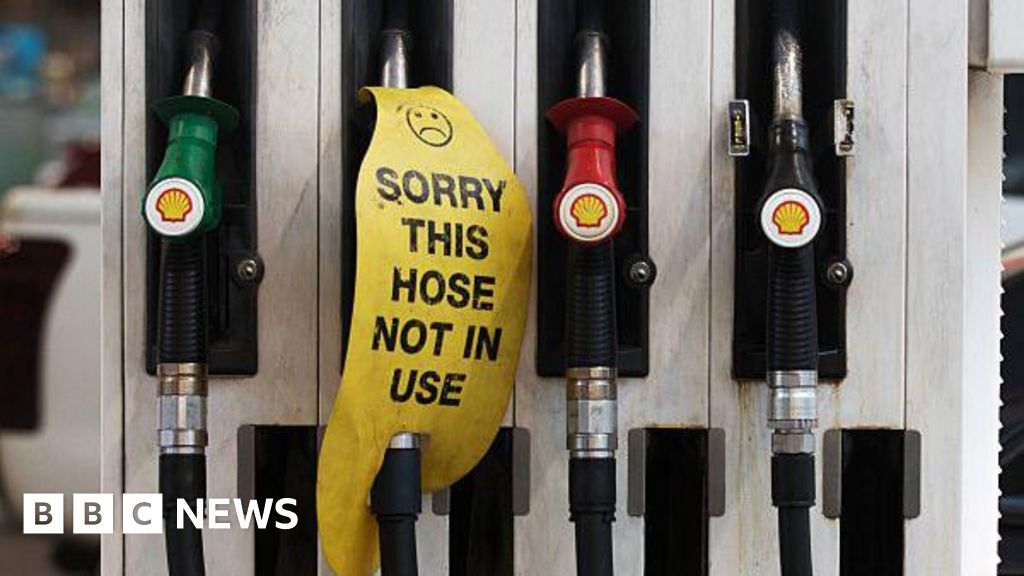
Anthony Albanese spent another day telling Australians not to panic-buy fuel, but the reassurance now sits alongside an emergency drawdown that shows how stressed the system has become. Canberra is releasing roughly a week's worth of petrol and five days of diesel from national reserves after demand reportedly doubled following the bombing of Iran and long lines appeared at stations in some regions. Officials insist ships are still arriving and the immediate problem is not national exhaustion of supply so much as a distribution system getting hit by hoarding, rationing, and regional bottlenecks at the same time. That distinction matters because the panic itself is now part of the shortage story: every extra tank filled early makes it harder to keep remote freight and farm corridors supplied. Australia is secure in the narrow sense, but the country is learning how little slack there is between a global shock and local scarcity.
Australia still relies heavily on imported refined fuel and sits well below the IEA's 90-day stockpile benchmark. Ministers say the country has roughly a month of petrol and diesel in reserve, enough to avert immediate collapse but not enough to make a drawn-out shipping disruption comfortable.
via Chronicle of Higher Education, Inside Higher Ed, Higher Ed Dive
The Trump administration's fight with the accreditation system moved from threat to open defiance this week when Higher Learning Commission president Barbara Gellman-Danley told member colleges they would not "buckle up" just because Washington demanded it. HLC, which accredits about 950 institutions and therefore helps determine who can receive Pell Grants and federal loans, is pushing back on an Education Department effort to use the recognition process as leverage. Nicholas Kent, the under secretary of education, has been telling colleges and accreditors to expect sweeping change: easier switching between accreditors, new competitors, tighter outcome demands, and a hard line against any standards the administration reads as DEI. Gellman-Danley said accreditors should not become vehicles for outside political agendas and argued the department is stretching the law well beyond admissions. The clash matters because accreditation is usually invisible until Washington tries to turn it into a direct instrument of culture-war policy.
Accreditors are gatekeepers for federal student aid, so even technical fights over standards can hit campus finances quickly. Kent has already sent letters pressing agencies to permanently scrub diversity language and has signaled a larger rewrite of accreditation rules.
Beijing opened a new trade front in North America by warning Mexico it may retaliate against tariffs that now cover 1,463 categories of Asian goods, with rates from 5% to 50%. China's Ministry of Commerce says the measures have already disrupted more than $30 billion in exports and cost its machinery and electronics industries about $9.4 billion. Mexico's economy secretary Marcelo Ebrard answered bluntly that the tariffs will stay because Chinese firms, backed by state support, are selling below cost and would wipe out local industry if left unchecked. That makes this more than a bilateral spat: Mexico is simultaneously trying to protect domestic manufacturers, negotiate with Washington over the next phase of the U.S.-Mexico trade relationship, and avoid looking like a back door for Chinese overcapacity. If Beijing follows through, Claudia Sheinbaum's government will be squeezed between the two biggest powers in the global trading system.
Mexico's tariff package took effect on January 1 and is part of a broader push to revive domestic production before upcoming talks over the North American trade framework. The dispute also reflects a wider global backlash against subsidized Chinese industrial exports.
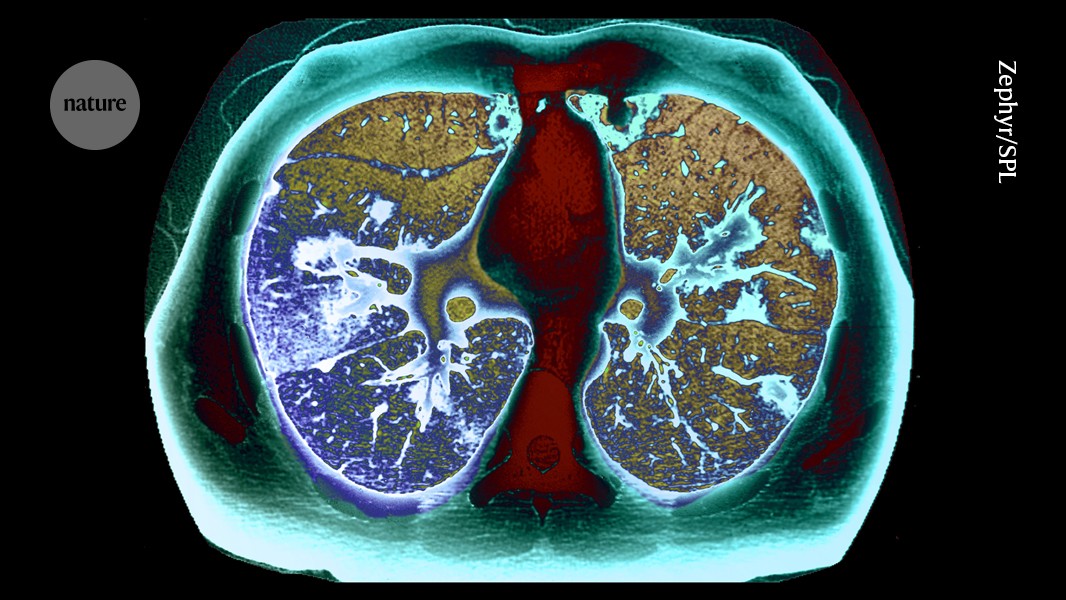
England's lung-cancer screening push is starting to change who gets diagnosed and when. A Nature highlight pointing to new audit data says the program, which offers CT scans to smokers ages 55 to 74, sharply increased the share of patients caught at stages 1 and 2, when the disease is far more treatable. The National Lung Cancer Audit reported that early-stage diagnosis in England rose to 40% in 2024, up from 36% in 2023 and 32% in 2022, while the number of patients receiving curative-intent treatment climbed above 8,900. That is a real public-health win, because lung cancer is usually found late and has long been one of the deadliest major cancers. The catch is that success is creating new strain: more people are now eligible for surgery and radiotherapy, and waiting times are stretching. This is the kind of problem health systems would rather have, but it is still a problem.
The screening expansion is shifting demand from late-stage management toward surgery, radiotherapy, and other potentially curative care. English services are now treating more earlier cancers than before, but capacity has not fully kept pace with the surge in referrals.
via Higher Ed Dive, Proceedings of the National Academy of Sciences
The latest accounting of the NIH grant purge puts the damage in institutional terms rather than partisan ones: the cuts were not just large, they hit the most fragile parts of the research pipeline hardest. A new PNAS analysis, summarized by Higher Ed Dive, found that the agency's abrupt termination of about 2,291 grants worth roughly $5.1 billion disproportionately harmed women investigators and researchers early in their careers. Women led less than half of the canceled projects, but lost a larger share of unspent funding and more of the future work that funding would have produced. Early-career scientists were especially exposed because they were more likely to be supported by a single award or by training grants that pay stipends and tuition. That turns a budget shock into a pipeline shock: fewer postdocs trained, fewer assistant professors stabilized, fewer lab groups able to survive the next grant cycle. Courts are still sorting out what must be restored, but the career damage is already happening.
The canceled grants were part of the administration's 2025 anti-DEI funding crackdown. Later court rulings faulted the policy, but the Supreme Court pushed the question of restoring money into the Court of Federal Claims, leaving institutions in limbo.
China's latest quantum-computing claim points at a specific bottleneck rather than a generic speed race. Researchers at the Shenzhen International Quantum Academy say they built a silicon chip that can perform a full set of error-detecting logical operations, something other quantum platforms had managed before but silicon had not. That matters because fault tolerance is the real obstacle between lab demos and useful machines: a quantum computer that cannot detect and suppress its own errors does not scale into a dependable one. The team also used the processor to calculate the lowest-energy state of a water molecule and said the answer came close to theory, a small but concrete test that the approach can run practical algorithms and not just benchmark tricks. Silicon is attractive because it rides on a manufacturing ecosystem the electronics industry already knows. So even if this is not the finish line, it is the kind of advance that makes the field look less like a science fair and more like engineering.
Quantum machines can outperform classical ones on some specialized tasks, but they are notoriously unstable. The long game is to build logical qubits that can keep working even when physical qubits are noisy, and silicon has been trying to catch up with superconducting designs on that front.
via Scientific American, American Mathematical Society
The math world is now fighting over whether its premier gathering can still pretend politics is somewhere else. More than 1,500 mathematicians have signed a petition demanding that this summer's International Congress of Mathematicians be moved out of Philadelphia, arguing that the United States no longer offers the basic openness an event of that scale requires. Petitioners point to the wars in Venezuela and Iran, visa suspensions affecting 75 countries, and the visible presence of ICE across major U.S. cities as reasons international participants may not be able to travel safely or at all. The argument has force because the ICM is not a routine conference: it happens only every four years, sets the tone for the field, and awards the Fields Medal. Critics also note that the last congress was moved out of St. Petersburg almost immediately after Russia invaded Ukraine, so leaving this one in the U.S. looks to them like a double standard rather than principled neutrality.
The ICM is scheduled to be held in the United States for the first time in 40 years. The French Mathematical Society has already said it will skip the event, while other groups are urging attendance in the name of international scientific exchange.
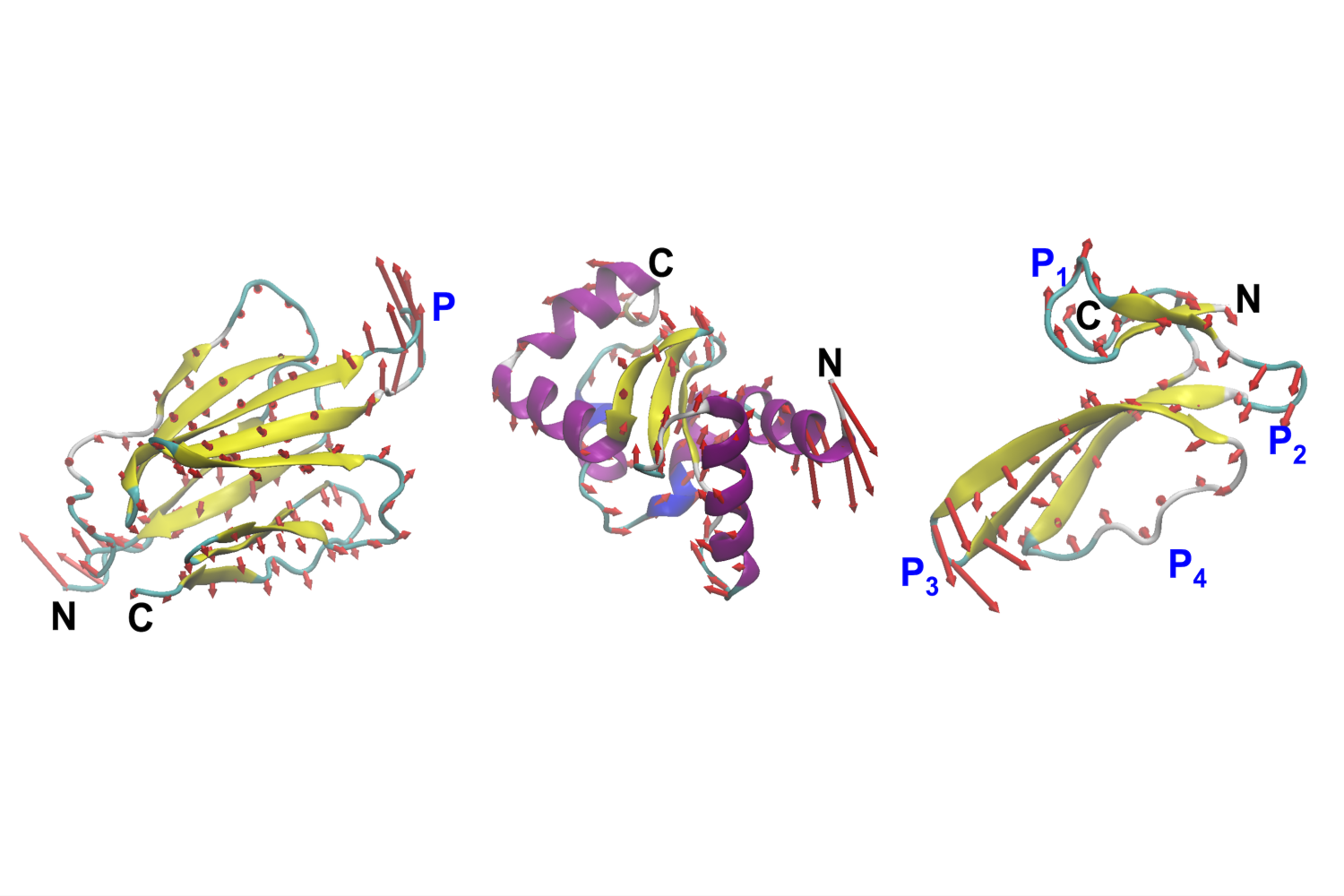
MIT researchers are trying to push protein design past the AlphaFold era by targeting motion instead of just shape. Their new system, VibeGen, starts with a different question from most AI protein tools: not "what sequence folds into this structure?" but "what sequence will move in this specific way once it exists?" That shift matters because proteins do not do their jobs as frozen sculptures. They bend, vibrate, flex, and switch conformations, and many therapeutic or materials properties depend on those dynamics as much as on the final folded snapshot. MIT says VibeGen uses a designer model and a predictor model that critique each other until they converge on a sequence with the desired motion profile, then validates the result with physics-based simulations. The team argues that many different structures can realize the same dynamic behavior, which means biology may have sampled only a small part of the possible design space. If that holds up in the lab, it opens a path to drugs and materials engineered for behavior, not just geometry.
The work, published in Matter, fits a broader shift from static protein prediction toward programmable molecular design. The immediate promise is better control over binding, flexibility, and mechanical response in therapeutics and biomaterials.
Volodymyr Zelensky's trip to Saudi Arabia is the clearest sign yet that Ukraine is trying to turn battlefield experience into diplomatic currency. With Washington's attention and missile stocks increasingly pulled toward the Iran war, Kyiv is pitching its hard-earned counter-drone expertise to Gulf states now facing the same Shahed-style threat that has battered Ukrainian cities for years. AP and Reuters report that Ukraine has already dispatched specialists to Saudi Arabia, the UAE, and Qatar, and BBC says Zelensky's visit carried new urgency because he wants those relationships to become something more durable than ad hoc technical help. The play is strategic on both sides: Gulf governments get practitioners who actually know how to blunt Iranian drone attacks, while Ukraine gains leverage, new partners, and a reminder to the U.S. that it is no longer only a recipient of security aid. In a war economy, exporting competence can matter almost as much as importing weapons.
Ukraine's air-defense teams began sharing anti-drone know-how with Middle Eastern partners earlier this month. The outreach comes as Russia-Ukraine diplomacy remains stalled and Kyiv looks for financing, technology partnerships, and political backing outside its usual Western lane.