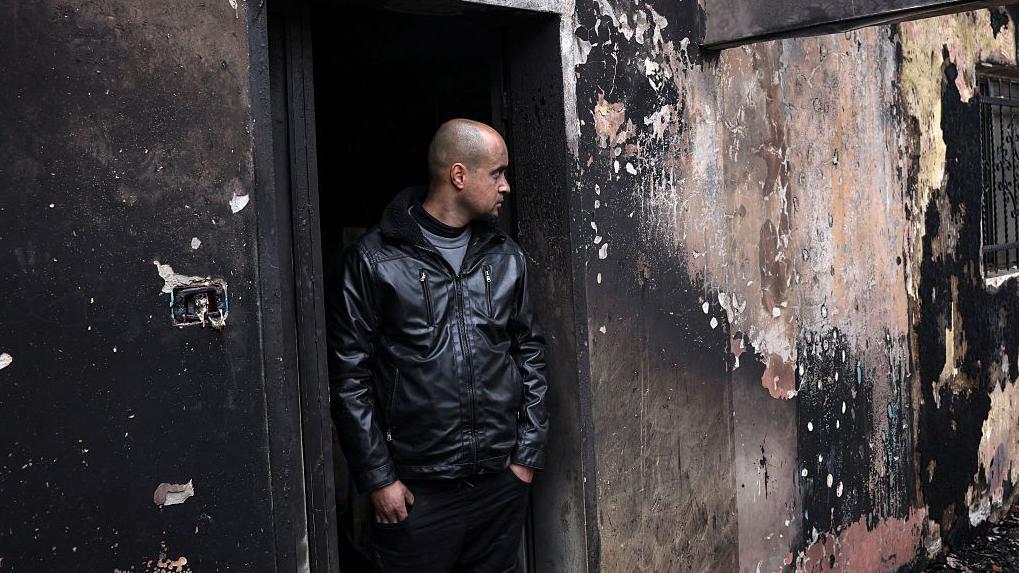
A teenage settler's death on Saturday was followed within hours by a coordinated wave of revenge attacks on Palestinian villages across the occupied West Bank. BBC reporting says more than 20 settler assaults were reported overnight after 18-year-old Yehuda Sherman was killed in what Israeli police are still investigating as either a deliberate hit or an accident. WhatsApp groups used by settlers called for retaliation, and villages including Jalud, Qaryut, al-Funduqmiya and Silat al-Dhah saw homes, cars and fields set on fire. The Palestinian Red Crescent said at least three Palestinians were hospitalized with head injuries after confronting attackers. The IDF said it deployed troops and border police to multiple villages, but the episode deepens the sense that the war with Iran is spilling into another front: not formal military operations, but emboldened settler violence that Palestinian communities are left to absorb in real time.
Israel has built about 160 settlements in the West Bank and East Jerusalem since 1967, and roughly 700,000 settlers now live there. The settlements are considered illegal under international law, and settler attacks have climbed sharply during the wider regional war.
More than 10 million Cubans lost power after the national grid collapsed again on Sunday, the second total blackout in a week and the third major failure this month. Cuba's energy ministry said the system suffered a "total disconnection," while grid operator UNE said it was restoring electricity gradually with hospitals and water systems first in line. The immediate problem is a brittle, fuel-starved network, but the political context matters just as much: the island is still under a US fuel embargo, public frustration has already spilled into rare protests, and Havana says talks with Washington have begun without any clear breakthrough. Aid groups from abroad are arriving with solar panels, food and medicine, which underlines how bad the shortage has become. This is no longer a one-off infrastructure crash. It looks increasingly like a chronic state failure in a country of 11 million with very little reserve left.
Cuba depends heavily on imported fuel to keep its aging power stations running. Recent blackouts have already triggered pot-banging protests in Havana and unrest in Moron, where demonstrators attacked the local Communist Party headquarters.
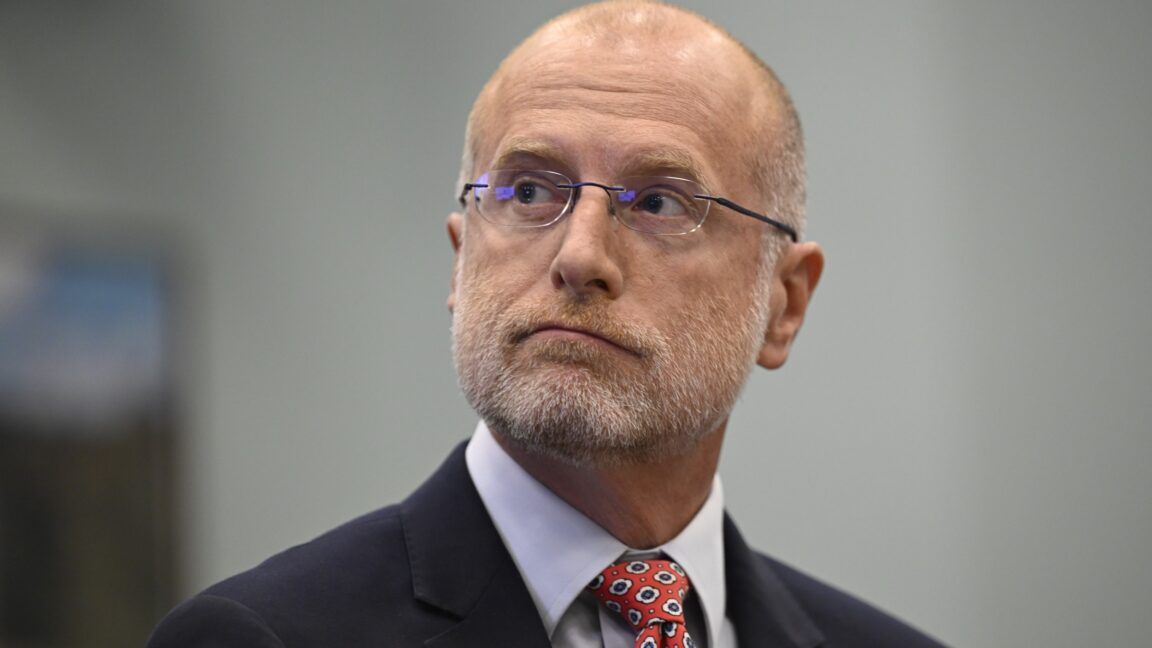
The FCC has approved Nexstar's $6.2 billion purchase of Tegna, giving the largest US station owner a waiver that lets it leap far beyond the national television ownership cap. Ars Technica reports that the combined company now reaches about 80 percent of US TV households in raw terms, or 54.5 percent after applying the UHF discount that the industry uses to shrink its official footprint on paper. Donald Trump publicly endorsed the deal last month, Brendan Carr echoed that support, and the approval was issued at the bureau level rather than through a full commission vote. Nexstar says bigger scale will strengthen local broadcasting. Critics say the opposite: fewer owners, more newsroom consolidation, higher retransmission fees, and a regulator effectively rewriting a congressional limit by waiver. A coalition of state attorneys general is already in court trying to stop the companies from fully integrating their assets.
Congress set the national TV ownership cap at 39 percent of households. The UHF discount dates from an earlier era when UHF stations had weaker signals, but critics argue it now survives mostly as a loophole for building giant station groups.
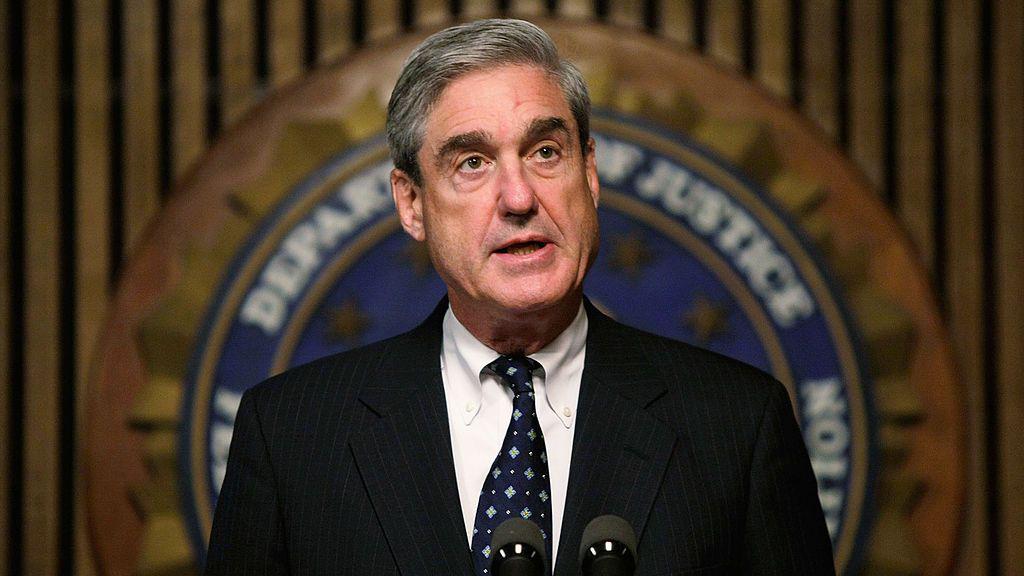
Robert Mueller died at 81 on Sunday, closing the career of a public official whose name became shorthand for two very different eras of American security politics. He ran the FBI from 2001 to 2013, taking over just days before the September 11 attacks and then helping remake the bureau around counterterrorism. Years later he returned to public life as special counsel investigating Russian interference in the 2016 election, an inquiry that dominated Donald Trump's first term and turned Mueller himself into a partisan symbol despite his cautious style. BBC notes that tributes quickly came from George W. Bush, Barack Obama and James Comey, all of whom praised his integrity and public service. His resume also stretched well beyond Washington infighting: Princeton, the Marines, Vietnam, a Bronze Star, and decades in federal law enforcement. Few unelected officials have so thoroughly come to embody a political period.
Mueller's special counsel role made him a fixation of the Trump era, but his institutional importance came earlier. As FBI director after 9/11, he helped shift the bureau from a mainly criminal-investigation agency toward domestic intelligence and counterterrorism.
The University of North Texas says it will cut or merge more than 70 academic programs as it tries to close a $45 million budget gap, offering one of the starkest recent examples of how enrollment shocks are being turned into curricular restructuring. The biggest academic casualty is linguistics: UNT will merge that department into world languages and phase out all of its linguistics degrees. The university is also ending master's programs in media studies, gender studies and early childhood education, merging a dozen other degree programs, and eliminating 25 minors plus 42 certificate programs with very low enrollment. Administrators say current students will be allowed to finish, but new students will be shut out. What makes the story larger than one campus belt-tightening is the stated logic behind it: enrollment, instructional cost, and "time to value" are being used as explicit criteria for deciding which parts of a university still deserve to exist.
UNT officials say the deficit was worsened by a sharp drop in graduate international enrollment and a $32 million decline in state appropriations for instruction and operations. Fall 2025 enrollment fell 5.7 percent year over year.
As age-verification laws spread across porn sites, social platforms and app stores, VPNs are turning from a niche privacy tool into the main consumer workaround. The Verge traces how VPN usage spiked after age checks rolled out in places like Florida, the UK and Australia, because the easiest way around location-based rules is to make your traffic appear to come from somewhere else. Regulators have noticed. Michigan Republicans have floated a bill that would restrict VPNs alongside adult-content blocking, Wisconsin briefly tried to add a VPN ban to its own age-check legislation before backing down, and British and French officials are openly talking about VPNs as the next loophole to close. The bigger issue is that age-gating rarely stays limited to porn. Once ordinary access to online speech starts requiring IDs, bank cards or video selfies, the fight over VPNs becomes a fight over whether anonymous browsing remains a normal civil liberty at all.
VPNs began as a way for companies to build secure tunnels between offices, then became mainstream after the Snowden leaks and the rise of streaming geo-blocks. Now they are being recast as a political threat because they let users dodge age-check systems.
A new Science study offers one of the clearest biological explanations yet for why stress can make eczema worse. Reporting in Scientific American, researchers found that people with AD who reported higher stress levels also showed more severe inflammation and higher counts of eosinophils, the immune cells that can intensify skin damage. In a mouse model, the team then identified a stress-responsive set of neurons that sends signals into the skin and helps draw those cells into inflamed tissue. The effect was not subtle: stressed mice had about four times as many eosinophils in affected skin as unstressed controls, and blocking the neural pathway stopped stress from worsening symptoms. That matters because "stress makes it worse" usually sounds like a vague patient complaint. This work turns it into a concrete nerve-immune mechanism, which is exactly the kind of finding that can eventually lead to targeted therapies rather than generic advice to calm down.
Atopic dermatitis affects more than 200 million people worldwide. Current treatments mostly try to suppress immune inflammation after it appears; this study suggests some future treatments might instead target the stress-sensitive nerves or signaling molecules that set the flare in motion.
Alibaba chairman Joe Tsai used the China Development Forum in Beijing to make a broader claim about where China's AI advantage might actually come from. Not from one breakthrough model, he argued, but from the unglamorous stack underneath: years of grid investment, abundant generation capacity, a full manufacturing supply chain and a willingness to open-source models so they spread quickly through the economy. Tsai said China has been spending about $90 billion a year on power transmission and added new generating capacity last year at roughly ten times the US pace, which matters because modern AI is brutally electricity-hungry. He also framed open source as a way to keep AI from becoming the property of a few giants. The interesting part is strategic, not promotional. Under export controls and supply-chain tension, China is increasingly arguing that deployment cost, power availability and industrial depth may matter more than winning the benchmark race.
The China Development Forum is an annual Beijing gathering where Chinese officials and business leaders lay out economic priorities to domestic and foreign executives. This year's version is unfolding under heavier US-China technology restrictions and wider geopolitical uncertainty.
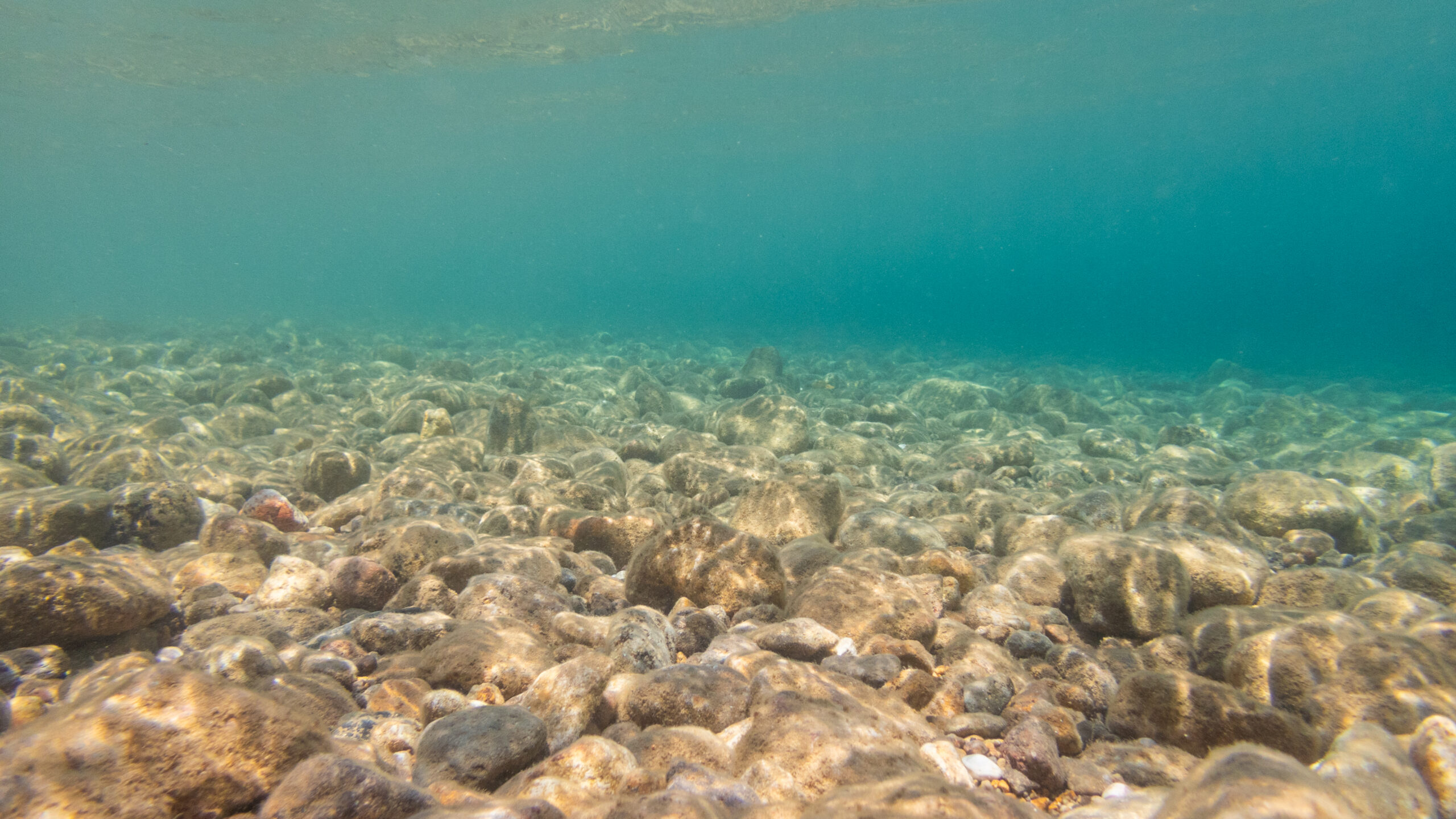
Deep-sea mining is no longer a distant environmental argument. It is turning into a near-term regulatory decision with huge consequences and very incomplete knowledge. Ars Technica reports that The Metals Company wants to harvest polymetallic nodules across 65,000 square kilometers of the Clarion-Clipperton Zone, while negotiations over international rules remain unfinished and commercial approval could come as soon as this year. Supporters say the clean-energy buildout will require much more nickel, cobalt, manganese and other minerals than terrestrial mines can comfortably supply. Opponents counter that the ecological risks are better understood than the economic necessity: collector vehicles stir up sediment plumes, create noise and light pollution, and could damage deep-ocean ecosystems that scientists have barely mapped. The core dispute is not whether valuable minerals are there. It is whether governments are about to industrialize one of Earth's least understood habitats before they have agreed on how to measure the harm.
The International Seabed Authority, a UN-linked body, has spent years trying to write a mining code for international waters. Nauru and industry allies are pressing for commercial permits before those rules are fully settled, which is why the timeline suddenly matters.
Hachette has pulled Mia Ballard's horror novel Shy Girl from the UK market and canceled its planned US release after a New York Times investigation argued that large stretches of the book showed recurring patterns associated with AI-generated prose. The novel had already become a small online phenomenon after starting life as a self-published BookTok success in 2025, but it was dogged for months by readers who said the writing felt repetitive, melodramatic and strangely mechanical. Ballard told the Times she did not use AI to write the book, while also saying a friend who helped edit it may have used AI during revisions. That qualification may end up mattering less than the precedent. A major publisher has now treated suspected AI drafting not as a public-relations headache but as a release-killing authenticity problem. For an industry that still talks around AI more than it openly regulates it, that is a real line in the sand.
Traditional publishers have been murky about AI use in outlining, editing and marketing, but most still publicly reject machine-drafted prose as something different. Shy Girl is one of the first major cases where a self-published hit triggered that boundary test after crossing into mainstream publishing.