Asian markets opened the week in full risk-off mode as the Strait of Hormuz crisis moved from a shipping problem into a broader energy-and-growth scare. Japan's Nikkei 225 fell almost 3.5 percent and South Korea's Kospi dropped 6.5 percent after Donald Trump threatened to strike Iranian power plants unless Tehran reopened the waterway, while Iran warned it would hit regional energy infrastructure if those attacks went ahead. Brent crude climbed above $113 a barrel and U.S.-traded oil topped $100, extending the price shock that has already rattled airlines, utilities and import-dependent Asian economies. The new pressure point is that this is no longer just about one producer losing exports. IEA chief Fatih Birol warned that the war could become the worst energy crisis in decades, because roughly a fifth of the world's oil and liquefied natural gas normally moves through Hormuz and no major economy can fully insulate itself from a long disruption there.
Iran has kept Hormuz effectively closed since the U.S.-Israeli attack on February 28. Japan and South Korea are especially exposed because much of their imported oil and gas normally transits the strait.
A Jazz Aviation CRJ-900 operating as Air Canada Express from Montreal struck a Port Authority rescue-and-firefighting vehicle while landing at New York's LaGuardia late Sunday, forcing an airport-wide ground stop and turning one of the country's busiest urban airports into a night-long transport mess. BBC and AP report that 72 passengers and four crew were on board; the jet suffered heavy nose damage and came to rest pitched upward after the collision. The vehicle had been responding to a separate incident, which is what makes the crash especially alarming: it suggests a breakdown in runway coordination rather than a simple mechanical failure after landing. LaGuardia closed roads and terminal access while police, firefighters and airport officials secured the scene, and the FAA warned the ground stop was likely to continue into Monday. Even if the casualty toll remains limited, a runway collision at an airport this constrained is the kind of event that instantly disrupts the entire Northeast corridor.
LaGuardia is run by the Port Authority of New York and New Jersey and has little spare runway capacity, so even a short closure quickly cascades into broader delays. The NTSB has opened an investigation.
The WMO's latest climate assessment argues that the planet is now running its largest recorded "energy imbalance": Earth is trapping far more heat than it can shed back into space, and that extra energy is piling up overwhelmingly in the oceans. The immediate headline is familiar but still brutal. The last 11 years were the 11 warmest since modern records began in 1850, and 2025 reached about 1.43C above pre-industrial levels even though La Niña should have provided temporary cooling. The deeper problem is that this was not just another hot year. The report says ocean heat, glacier loss, polar sea-ice decline and atmospheric carbon dioxide all stayed at or near records, with CO2 concentrations now at their highest in at least two million years. Scientists are especially nervous because a warming El Niño phase may return later this year. If that happens on top of today's already overheated baseline, fresh global temperature records could arrive very quickly.
Crossing 1.5C in a single year does not mean the Paris Agreement target is formally lost, because that benchmark is judged over longer averages. But repeated years near that level show how little buffer remains before temporary spikes become the norm.
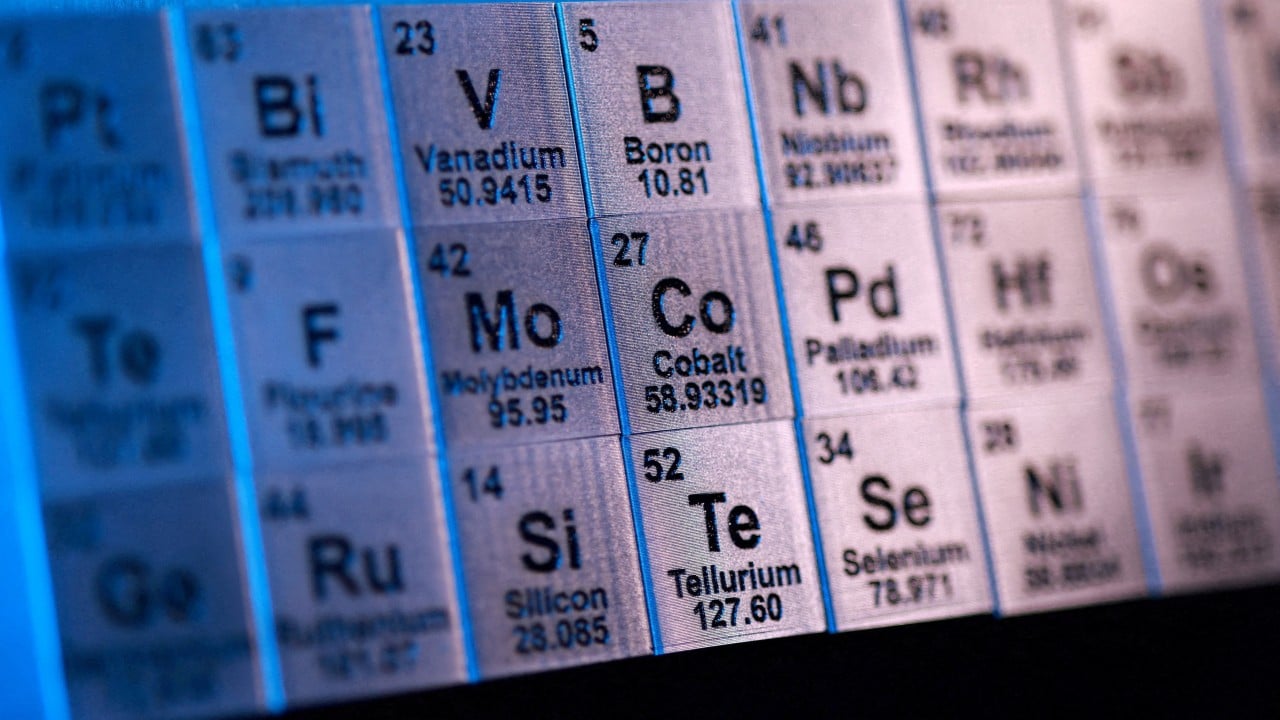
Customs data suggest Beijing has quietly tightened a strategically chosen part of its supply chain pressure campaign against Japan. SCMP reports that Chinese exports of gallium to Japan fell to zero in January and February, down from 8,007 kilograms a year earlier, while germanium shipments also dropped to zero from 400 kilograms. At the same time, shipments of rare-earth magnets to Japan increased, which makes the move look less like a blanket trade freeze than a calibrated signal. Gallium and germanium sit in an awkward category for export controls because they matter both to civilian industry and to military systems such as radar, infrared optics and guidance components. Analysts quoted by SCMP say that ambiguity is precisely what gives Beijing leverage: it can claim to be targeting dual-use risk while still leaving Tokyo guessing how far the restrictions might spread. The wider message is that China's minerals dominance is no longer just an industrial advantage. It is an instrument of statecraft that can be dialed up selectively, country by country.
China has progressively tightened controls on gallium, germanium and other critical minerals since 2023 in response to Western technology restrictions. Japan is especially sensitive because of its electronics and advanced-manufacturing base.
France’s municipal elections gave mainstream parties a needed stabilizer: the Socialist Party retained control of both Paris and Marseille, while the nationalist right made gains in Nice and several smaller municipalities. BBC frames the result as a mixed map rather than a uniform swing, with big-city incumbency and local machine strength still mattering despite national polarization. The outcome is politically relevant beyond city halls because municipal control shapes candidate pipelines, patronage networks, and media momentum ahead of national contests. For President Emmanuel Macron’s centrist camp, the fragmented result underscores the same problem seen in recent cycles: no single bloc is dominant nationwide, and local elections increasingly function as stress tests for coalition durability.
French municipal elections often diverge from national polling because personalities and local service records carry more weight. Still, party performance in major cities is watched closely as an early signal before parliamentary and presidential cycles.
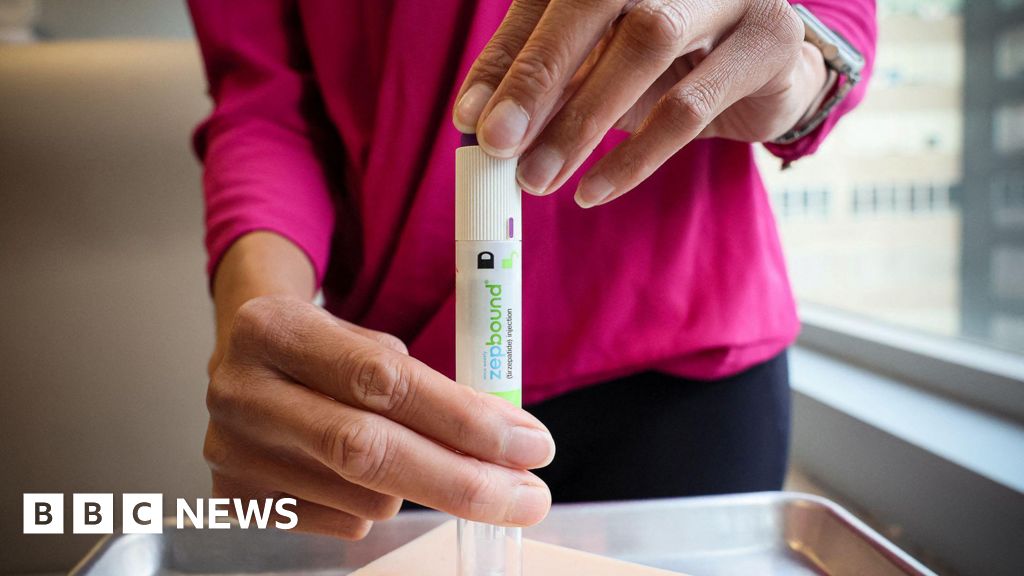
The American weight-loss drug boom is starting to look less like normal pharma pricing and more like a retail price war fought in public. BBC reports that because many insurers still refuse to cover obesity drugs on their own, companies making GLP-1 treatments are competing directly for self-pay customers instead of hiding the real numbers behind insurer rebates and pharmacy middlemen. That has produced striking cuts: a starter month of Wegovy now costs about $149 for cash-paying patients, far below its original U.S. list price, while Lilly's Zepbound vials start at $299 after launching above $1,000. Drugmakers are also building direct-to-consumer websites, cutting distribution deals with chains such as Walmart and Costco, and suing compounders that grew during shortage periods. The broader significance is not just that one class of drugs is getting cheaper. It is that the fight is exposing how unusually opaque U.S. drug pricing has been, and how much of the consumer anger sits with insurers and PBMs rather than with the list price alone.
PBMs negotiate drug prices and formularies between manufacturers, insurers and pharmacies, often in ways patients never see. GLP-1 drugs exposed that system because demand exploded before insurers were willing to pay for broad obesity treatment.
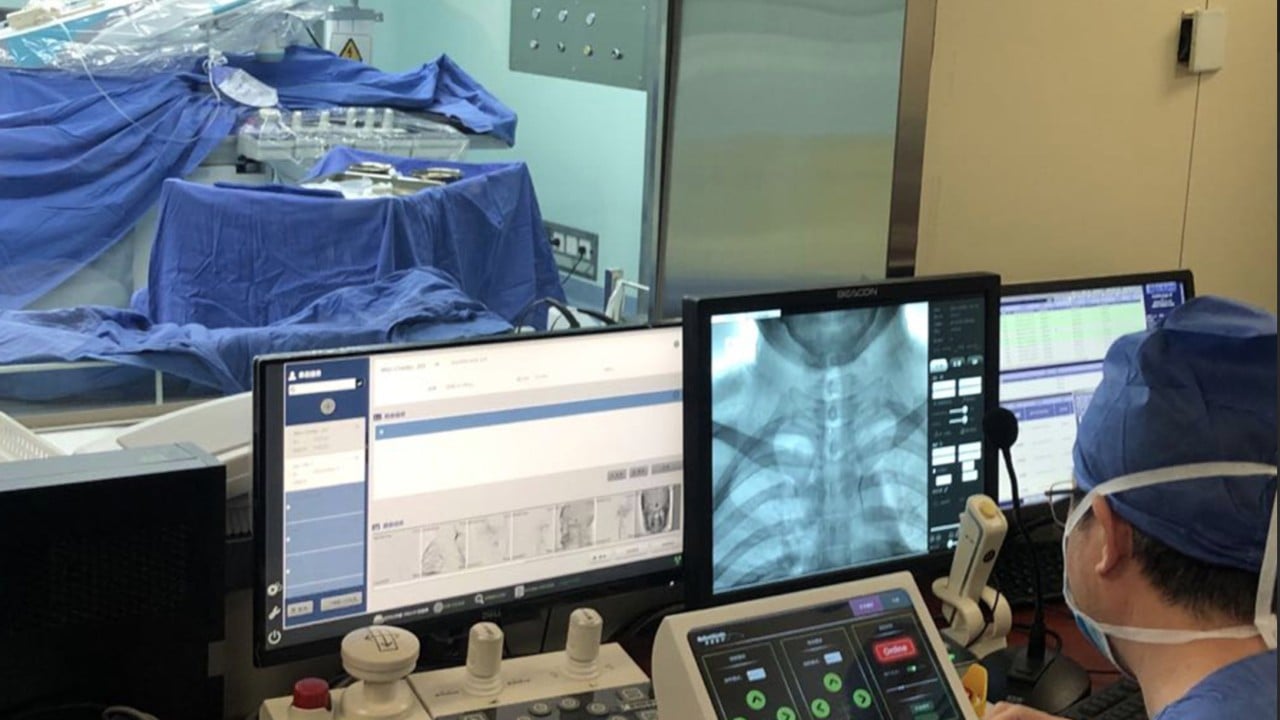
Researchers in China report that a cerebrovascular intervention robot completed key brain-imaging steps about 29 percent faster than manual operation in a head-to-head hospital test. SCMP says the trial at Peking Union Medical College Hospital showed a young surgeon using the system cut roughly nine minutes from a standard procedure. The significance is operational, not just academic: in stroke and vascular workflows, shaving minutes can directly improve outcomes and reduce cath-lab bottlenecks. The team positions the platform as the world’s first approved robotic system in this specialty, and as part of China’s broader push to move medical robotics from lab demonstrations into routine clinical pipelines.
Hospitals globally are testing image-guided and robotic assistance to improve consistency in technically demanding neurovascular procedures. China has invested heavily in domestic medical-device platforms to reduce dependence on imported systems.
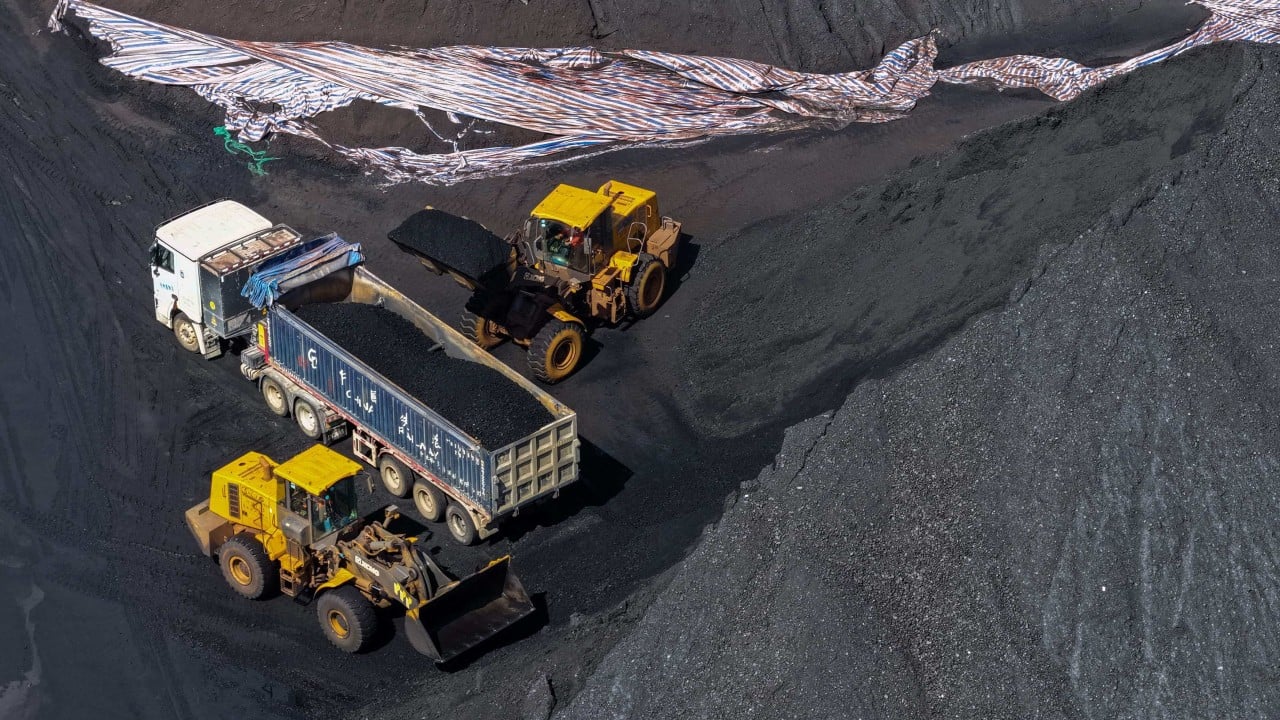
A Peking University team led by Jiao Ning says it has solved one of the old annoyances of organic chemistry: how to turn cheap, abundant olefins into far more valuable alkynes under mild conditions, rather than through harsher multi-step processes that make the upgrade expensive. SCMP frames the result, published in Nature on March 16, as more than a lab curiosity because of where the feedstock comes from. China already makes huge volumes of olefins from coal through its coal-to-methanol industrial chain, a workaround for having less oil than many chemical powers. If chemists can now convert those low-cost building blocks into fine chemicals and pharmaceutical intermediates more efficiently, coal starts looking less like a blunt fuel input and more like a bridge into higher-margin manufacturing. That is why the paper matters economically as well as scientifically. It suggests a route for China to squeeze more value out of an existing industrial base by changing the chemistry at the back end rather than by discovering a whole new resource up front.
China has spent years building coal-to-chemicals capacity so it can make industrial feedstocks without depending as heavily on imported oil. The missing piece has been how to turn those cheap molecules into higher-value specialty products efficiently.
Germany's labor shortage is no longer an abstract demographic warning. It is showing up in the country's most ordinary trades, from butchers to bakers, and pushing employers to recruit far beyond Europe. BBC profiles one small but revealing channel: an Indian recruitment firm called Magic Billion, which began sending young trainees to Germany after local craft associations admitted they could no longer fill apprenticeships at home. The first cohort was just 13 people in 2022, but the story matters because it exposes the mechanism of the shortage. Germany is aging, many older workers are retiring, and younger Germans are increasingly bypassing manual or vocational careers that once anchored the middle of the labor market. In one example, the number of small family-run butcher shops fell from about 19,000 in 2002 to fewer than 11,000 by 2021. What Germany is really importing is not just workers. It is time, as it tries to keep sectors running while the country figures out whether immigration can substitute for a thinning domestic apprenticeship pipeline.
Germany's economy relies heavily on apprenticeship tracks that channel school-leavers into skilled trades. That model works poorly when the youth cohort shrinks and more students prefer university or office-based work.
Chinese engineers say they are building the country’s first tourist submersible designed for dives to 1,000 meters, with a prototype targeted by year-end and commercial service aimed for 2030. According to SCMP, the project is led by the China Ship Scientific Research Centre in Wuxi and is designed to carry up to four passengers per trip. If timelines hold, the craft would open a new premium segment that sits between scientific expeditions and conventional marine tourism. The project also signals how China is trying to commercialize deep-ocean engineering capabilities developed for research and industrial missions, turning high-end marine hardware into a civilian services business.
China has steadily expanded its deep-sea technology stack through crewed and uncrewed programs. Consumer-facing submersible tourism remains niche globally because safety certification, vessel support, and insurance costs are high.