Donald Trump said Monday he had postponed planned U.S. strikes on Iranian power plants and energy infrastructure for five days after what he described as productive talks with Tehran, a notable change in tone after weekend threats to widen the war. The pause does not amount to a ceasefire. Iran still has not accepted Washington's terms, and the broader conflict logic remains intact. What changed is the immediate use of force: instead of hitting the systems that keep Iran's economy running, the White House is temporarily using the threat of those strikes as bargaining leverage. Markets treated that as a partial de-escalation, but only in a narrow sense. If talks fail by the end of the five-day window, the same energy choke points that helped drive the morning oil panic could return to the center of the conflict almost immediately.
The war escalated after U.S. and Israeli attacks on Iranian targets and Tehran's threats around the Strait of Hormuz, a narrow waterway through which a large share of global oil and gas trade normally passes.
The Supreme Court sounded uneasy with state laws that keep counting mail ballots after Election Day, hearing a Republican challenge to Mississippi's five-business-day grace period for ballots postmarked on time. The legal argument is narrow, but the consequence is not: if the justices decide federal law means votes must not only be cast but also received on Election Day, similar rules in 14 states and Washington, D.C., could be swept away before the 2026 midterms. Votebeat's recent data review suggests the share of affected ballots is usually small, but still large enough to matter in close races. In 2024, more than 1,100 Mississippi ballots arrived after Election Day and were counted, while larger mail-voting states logged far bigger totals. Monday's argument suggested at least several conservatives are leaning toward treating late-arriving ballots as an unlawful extension of federal Election Day itself.
The case grew out of an RNC-backed challenge to Mississippi law, but the real stakes are national because many states still count ballots that were mailed on time even if delivery takes a few extra days.
A new lawsuit from four Voice of America journalists argues the Trump administration is no longer just hollowing out the broadcaster but actively trying to alter what it airs. In a complaint filed Monday in Washington, the plaintiffs said U.S. Agency for Global Media interference threatens VOA's legal duty to provide independent reporting rather than government messaging. That claim lands after months of turmoil inside the agency. AP reported earlier this month that a federal judge had already ruled key Kari Lake actions unlawful and ordered a plan to restore VOA operations after more than a thousand employees were sidelined. The new case shifts the fight from staffing and management authority to editorial control. The plaintiffs are warning that a broadcaster built to model a free press abroad becomes strategically useless if audiences start to see it as just another state mouthpiece.
VOA broadcasts in dozens of languages to places with weak or heavily controlled media environments. The plaintiffs say saving the institution now requires protecting not only jobs but also the independence of its journalism.
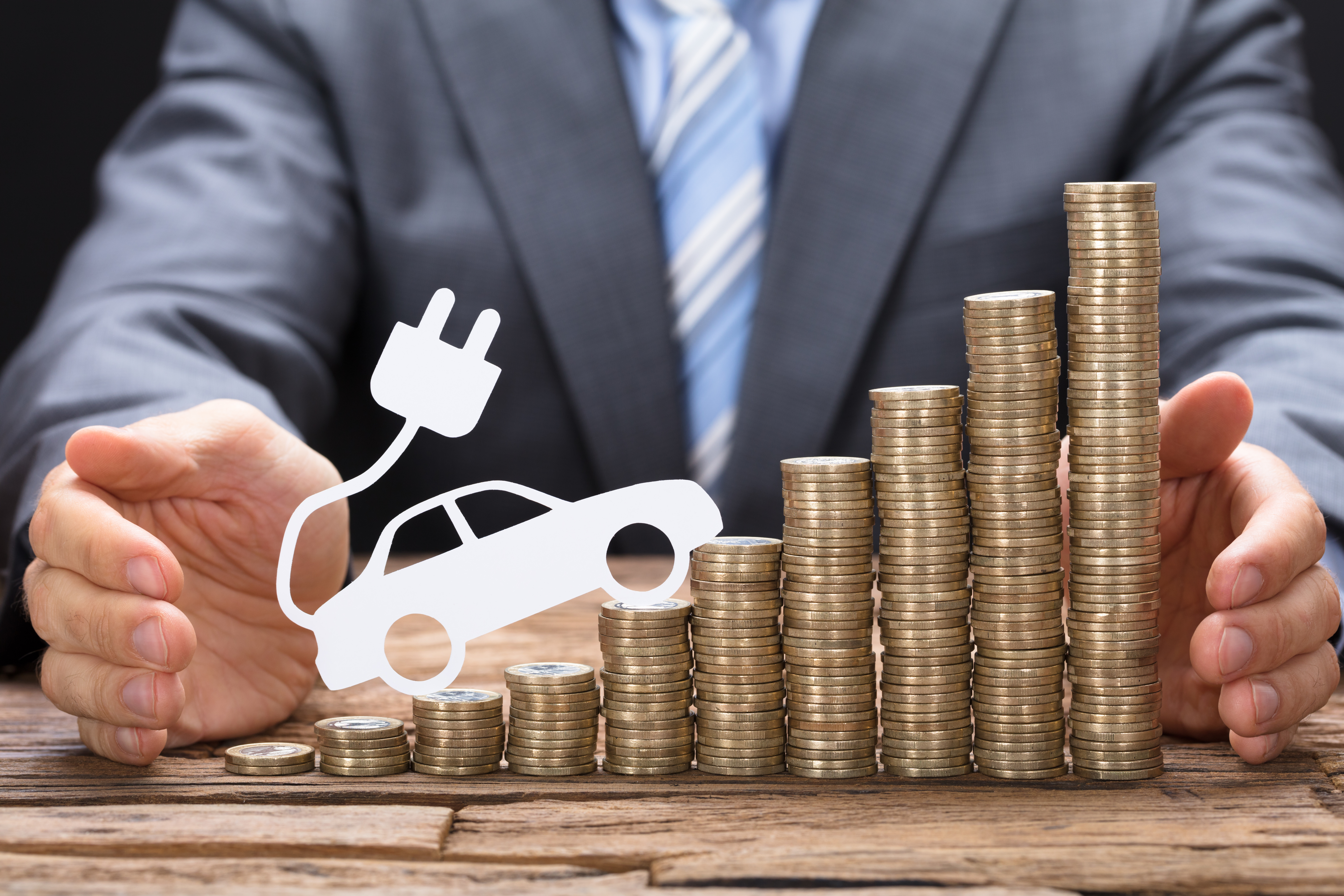
House Transportation Committee chair Sam Graves wants a new annual federal fee of $250 on electric vehicles and $100 on hybrids, reviving an argument Republicans have been sharpening for months: drivers who do not buy gasoline still use the roads, so they should help refill the highway trust fund another way. The policy fight is more interesting than a simple anti-EV gesture. The federal gas tax has not been raised since 1993, which means the deeper problem is a road-funding system that no longer matches how Americans drive. Consumer Reports argues an EV-only fee would be a symbolic fix that overcharges some drivers while leaving heavier commercial vehicles and the tax's inflation problem largely untouched. Congress is effectively using EVs as the test case for a bigger question: should road costs be tied to fuel burned, miles driven, weight, or some mix of all three?
EV sales are already under pressure after the federal consumer tax credit expired last year. Because EVs remain a small share of the total fleet, critics say singling them out now raises politics faster than revenue.
Two Pennsylvania teenagers will be sentenced this week after admitting they used AI tools to generate sexualized fake images of classmates, but the criminal case is only part of why the story matters. Ars Technica reports the boys created at least 347 fake images and videos targeting 48 female classmates and 12 other young women linked to Lancaster Country Day School. What makes the scandal more disturbing is the timeline: a state tipline alerted the school months earlier, yet parents and police were not notified for roughly half a year, during which the number of victims kept growing. The case shows how cheap consumer AI has made image abuse easier while school reporting rules and crisis instincts still lag behind. Parents now plan to sue the school, arguing that this was not merely teenage misconduct but a foreseeable institutional failure once the first warning arrived.
Pennsylvania prosecutors brought dozens of felony charges because nearly all of the victims were minors. Lawmakers have also moved to close a reporting loophole that parents say helped the school delay action.
Pfizer and Valneva said their phase 3 Lyme disease vaccine was 70 percent effective, putting the partners closer to what would be the first human Lyme vaccine on the market in decades. The result matters especially in the Northeast, where tick exposure is common enough that prevention is a public-health issue rather than a niche infectious-disease concern. If regulators sign off, the shot would give doctors something the region largely lacks now: a way to reduce disease risk before a bite turns into weeks of antibiotics, neurological complications, or lingering joint problems. The companies have designed the program for adults and children as young as five and say they plan regulatory filings this year. After years of delays and false starts in the Lyme vaccine field, Monday's significance is simple: there is finally a plausible commercial vaccine with decisive late-stage data behind it.
Lyme disease is the most common vector-borne infection in the United States, and New England is one of the regions where risk is concentrated. Earlier VLA15 studies included both adults and pediatric participants.
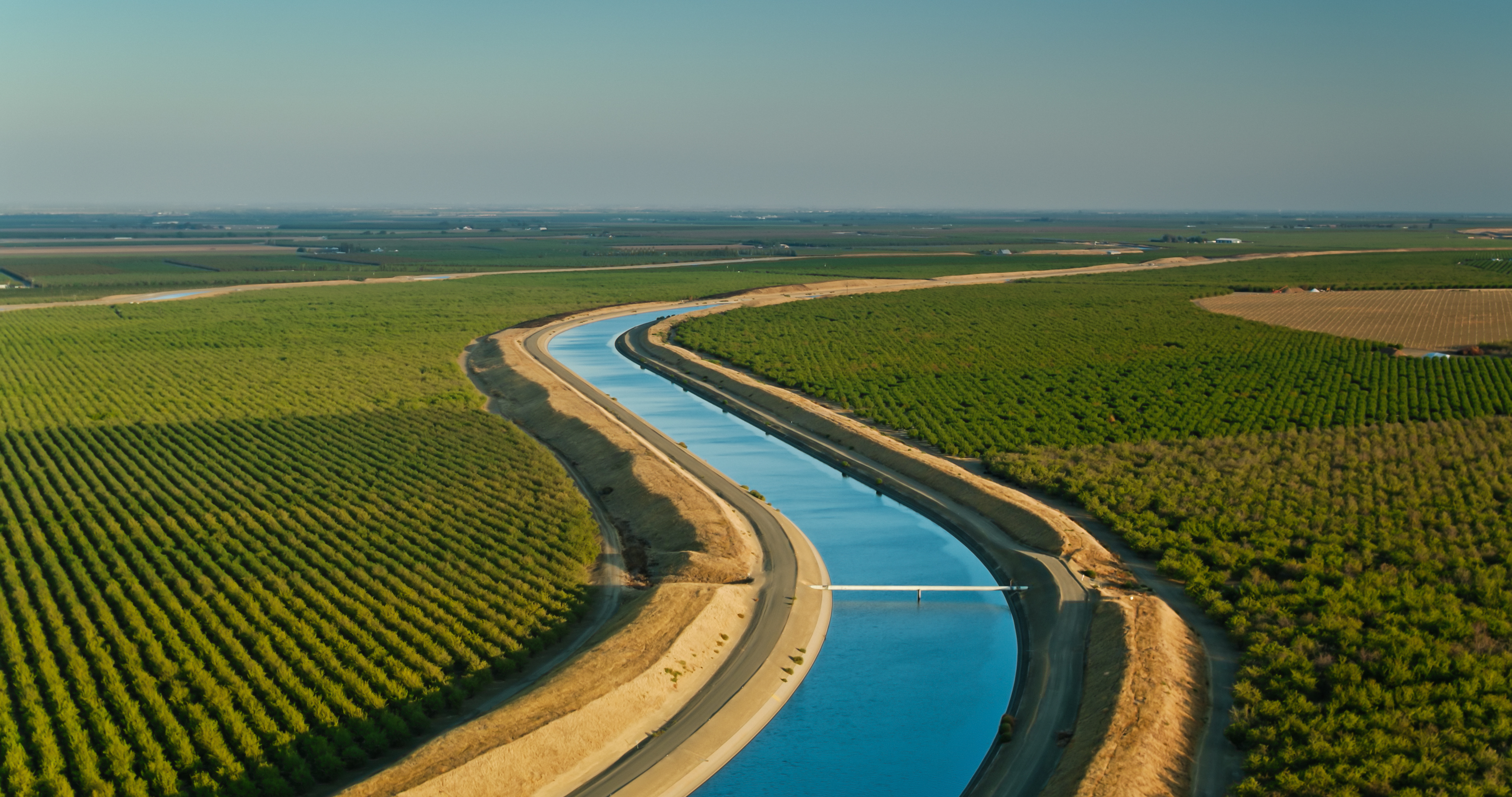
A rare piece of environmental good news: a Science paper compiled 67 cases around the world where groundwater levels rose after at least a decade of decline, showing that aquifers do not always have to follow a one-way path toward exhaustion. The pattern was not magical conservation alone. In 81 percent of the cases, communities paired reduced pumping with some alternative water source, while roughly half also changed policy or prices to make over-pumping harder. Nearly half used artificial recharge, deliberately or accidentally pushing more water back underground. That mix is the point. UC Santa Barbara hydrologist Scott Jasechko argues groundwater recovery usually required several levers at once and often took years or decades to show up clearly in the data. The study does not promise an easy fix. It does say the crisis is sometimes reversible if governments treat aquifers like managed systems instead of invisible savings accounts.
Groundwater depletion raises pumping costs, dries out wells and can even cause land to sink. The new study draws lessons from long-running recovery efforts rather than from a single showcase project.
[China Watch] Tencent is pushing the OpenClaw agent boom directly into WeChat, and that matters less because one more chatbot exists than because it routes agent software into the app China already uses for messaging, work coordination, payments and everyday logistics. SCMP reports the new plug-in will let more than a billion WeChat users command OpenClaw agents from inside the super-app, making this Tencent's biggest distribution move yet after earlier integrations with QQ and WeCom. The business logic is obvious: whoever controls the messaging layer may end up controlling which agent ecosystem people actually use. But Tencent's own executives have acknowledged the catch. Putting autonomous software inside WeChat also raises privacy and security risks, and Chinese cybersecurity bodies on Sunday warned users to run OpenClaw agents on dedicated devices rather than office machines unless providers have done serious risk reviews. This is both a product rollout and a governance test.
OpenClaw is an open-source agent tool that can carry out multi-step tasks through chat interfaces. Chinese tech firms have rushed to wrap it around their own models, clouds and workplace software in hopes of capturing user traffic.
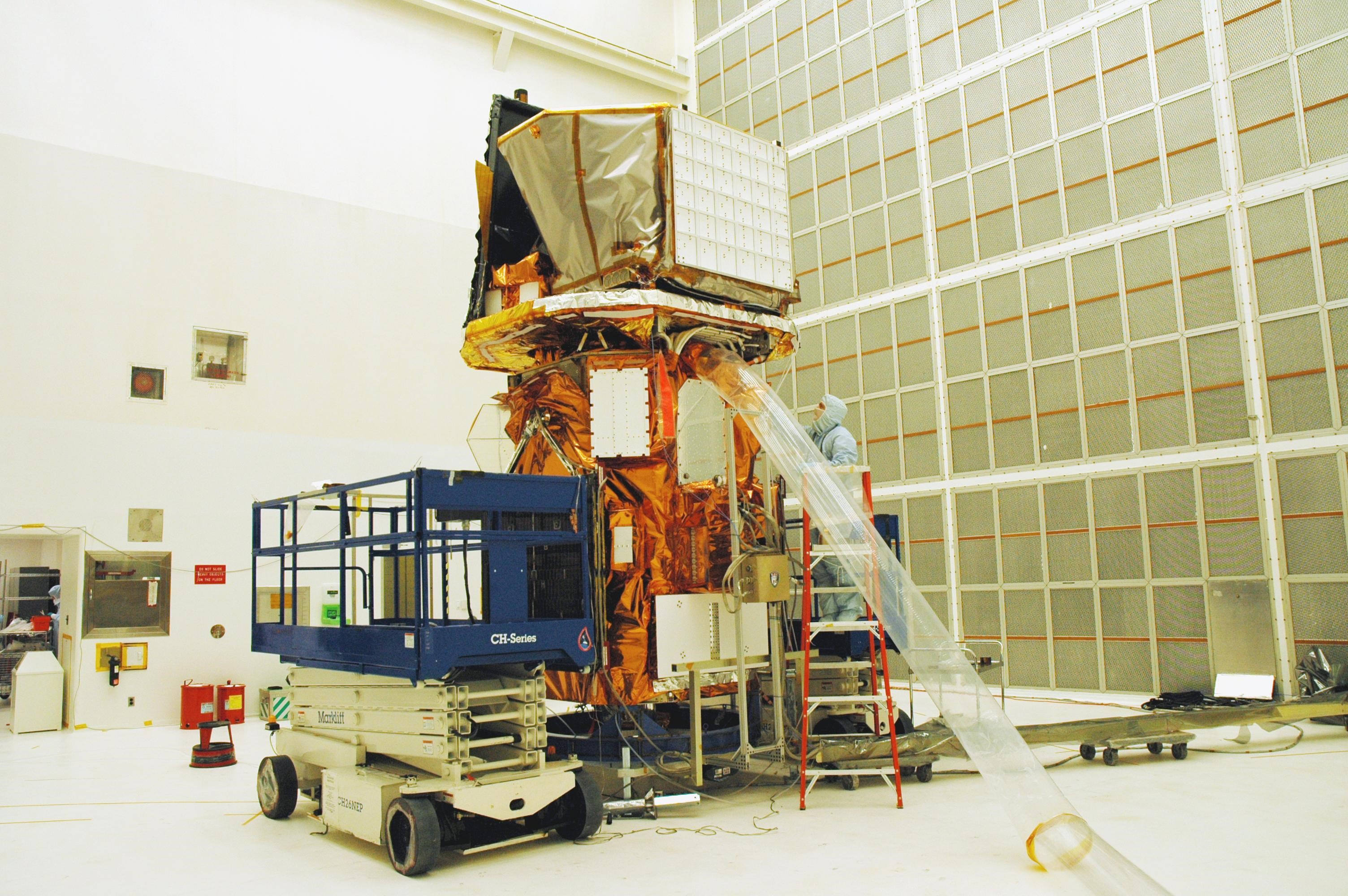
NASA is trying something that sounds like science fiction but is really a budget calculation: rescue the aging Swift observatory with a commercial robot before it falls low enough to burn up. Ars Technica reports the 21-year-old satellite has been out of science operations for more than a month while engineers prepare a first-of-its-kind servicing attempt by Katalyst Space Technologies. NASA paid the company $30 million to build a craft that can rendezvous with Swift, grab it with three robotic arms and push it to a safer orbit. The appeal is obvious. Swift still provides fast alerts on gamma-ray bursts, and replacing it outright would cost far more than this gamble. The risk is equally obvious: Swift was never designed to be captured, Katalyst has never docked with another satellite in space, and the company has only until late summer before atmospheric drag pulls the observatory too low for a safe rescue.
Swift launched in 2004 and remains valuable because it can quickly swivel toward short-lived high-energy events for other observatories to follow. NASA has already cut back operations to minimize drag while the rescue craft is being built.
AI is starting to reshape legal work in a way that looks less like robot judges and more like slow pressure on the profession's expensive middle layers. A Financial Times report republished by Ars Technica describes barristers and law firms using tools such as ChatGPT, Harvey and Microsoft Copilot for research, contract review, question drafting and damage calculations, especially in settings that cannot afford outside experts for every step. The striking part is that this does not read like full automation. Lawyers interviewed in the piece repeatedly stress that they avoid feeding client data into consumer systems and still verify citations by hand, partly because courts in both the U.S. and U.K. have already punished filings contaminated with fabricated case law. The likely near-term effect is not fewer lawyers overall, but a different cost structure for routine legal work and for the junior jobs that used to train future partners.
Large firms are experimenting with specialist legal AI products while trying to contain confidentiality and hallucination risks. Courts have become more alert after several recent cases in which briefs cited nonexistent authorities generated by AI tools.