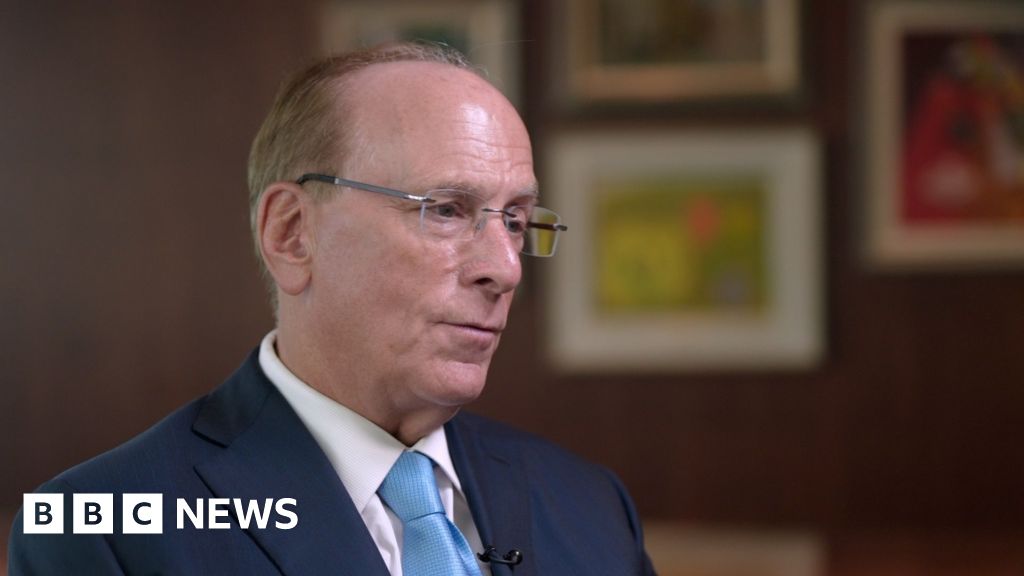
BlackRock chief Larry Fink told the BBC that oil at $150 a barrel would tip the world into recession, but the more revealing part of the warning is how quickly the Iran war has already turned a shipping crisis into a broader energy-security shock. Nature notes that the Strait of Hormuz carries roughly one-fifth of global oil and gas trade, and the closure that followed the US-Israel strikes has already pushed insurers to raise tanker premiums and some suppliers to declare force majeure. Fink said one scenario still ends with oil falling back if Iran is reintegrated into the international system, but his darker scenario is years of prices above $100 if the threat persists. Asian governments are already acting like the darker scenario matters. This is no longer just market panic. It is the real economy beginning to price in a durable choke-point war.
The Strait of Hormuz between Iran and the Arabian Peninsula is the main export route for Gulf oil and liquefied gas. When traffic through it is disrupted, the shock reaches shipping insurance, fuel prices and industrial supply chains almost immediately.
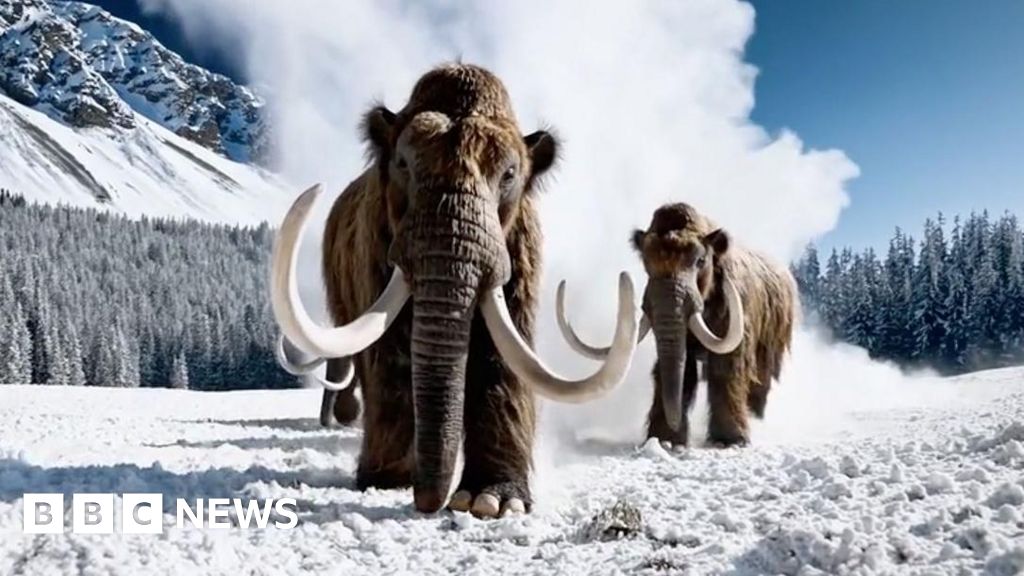
OpenAI is shutting down Sora less than two years after the video generator became one of the clearest demonstrations of modern text-to-video AI, and the retreat is bigger than a product sunset. The BBC reports that OpenAI is also ending its content partnership with Disney, while Ars and The Verge say the company is refocusing on business, productivity, robotics and more agentic tools rather than consumer video creation. OpenAI says it will share timelines for the app and API and details on how users can preserve their work, but the strategic signal is already obvious: Sora no longer fits the center of the company. That is striking because Disney only recently put $1 billion into OpenAI as part of a deal to bring major characters to the platform. Competition also tightened fast. Sora's early lead no longer looked decisive enough to justify staying in the race.
Sora burst onto the AI scene in early 2024 with photorealistic sample videos that felt ahead of most rivals. It later became a public app, but the market shifted quickly as competitors improved quality, editing control and interactive features.
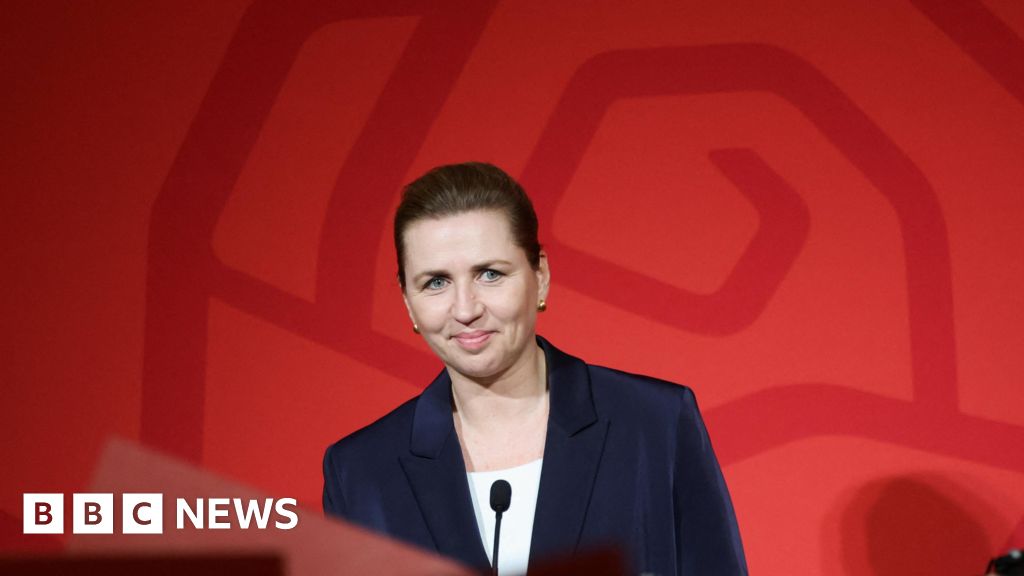
Prime Minister Mette Frederiksen's Social Democrats still finished first in Denmark's election, but the result looked more like a warning shot than a mandate. BBC and AP reporting put the party at 21.9 percent, its weakest showing since 1903, while Frederiksen's broader left bloc fell short of the 90 seats needed for a majority. The irony is that Denmark's other big old party did badly too: the Liberals also turned in their worst result in a century and fell behind the Green Left SF. So the election did not produce a clean ideological swing so much as a splintered landscape in which the traditional governing parties both lost authority at once. Frederiksen can still try to assemble a third-term coalition, and in Denmark that may take days or weeks. But the outcome leaves her negotiating from a visibly weaker position after a campaign shaped by cost-of-living strains, tax arguments and Donald Trump's threats over Greenland.
Denmark almost always ends up with coalition bargaining after elections because its parliament is highly fragmented. Frederiksen has led the country since 2019, and the Greenland question gave foreign policy an unusually large role in a normally domestic-heavy campaign.
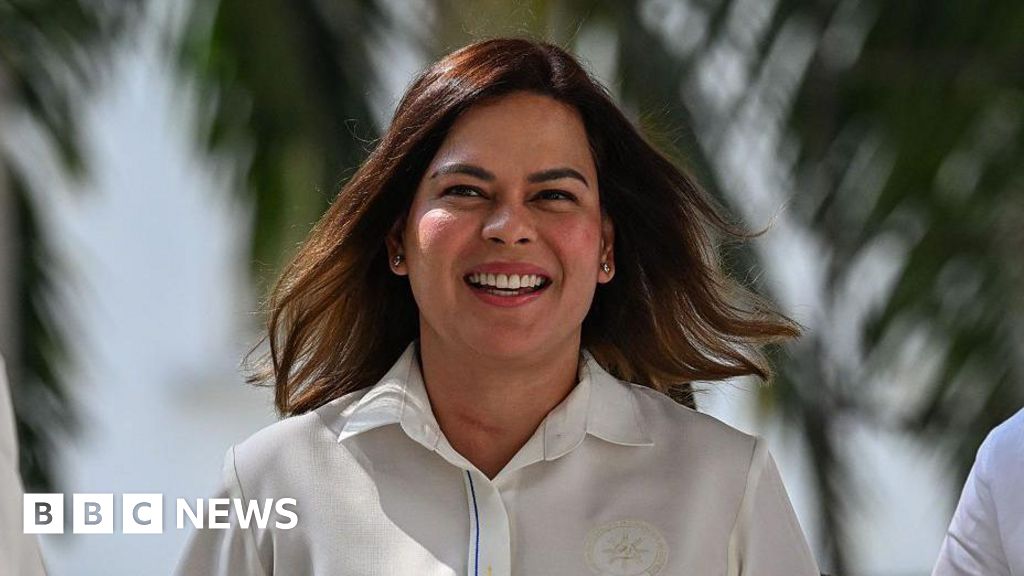
Public hearings have begun in the Philippine House on whether Vice-President Sara Duterte should be impeached, opening the most dangerous phase yet in the breakup between the country's two most powerful political families. BBC reporting says Duterte is accused of misusing public funds and of threatening to have President Ferdinand Marcos Jr. killed; if she is convicted, she would be removed from office and barred from running in future elections, including the 2028 presidential race she has already said she wants. The case is not just a corruption fight. It is the formal collapse of the Marcos-Duterte alliance that won the 2022 election in a landslide and then unraveled as both camps started positioning for the next succession battle. The family stakes are even higher because Rodrigo Duterte, Sara's father, is now detained in The Hague as the International Criminal Court considers charges tied to his drug war.
The Philippines elects its president and vice-president separately, which often creates rivalry inside the executive branch. That institutional tension gets even sharper in a system where family machines and regional loyalties often matter more than party discipline.
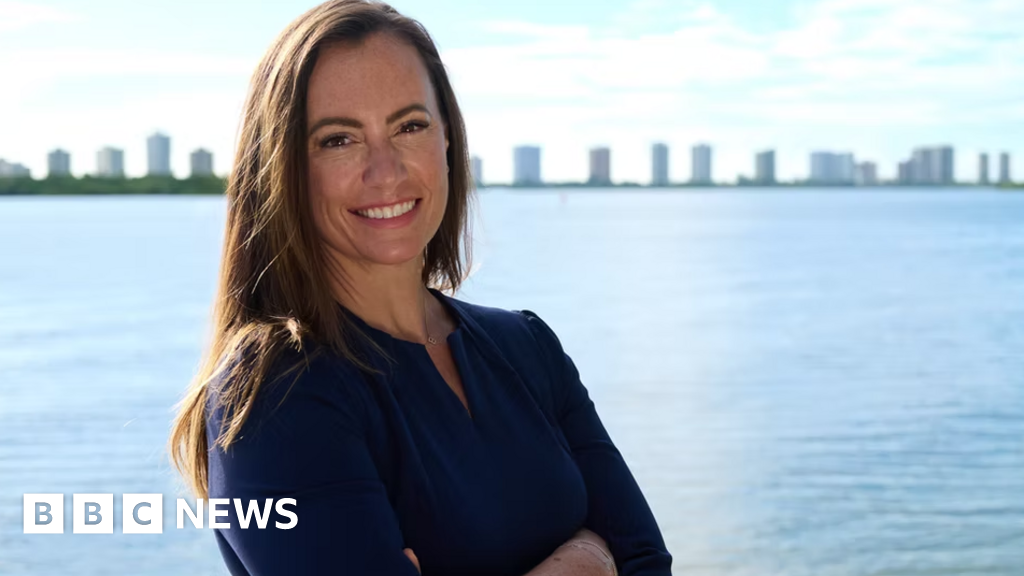
Democrats are projected to flip a Florida state House seat that includes Donald Trump's Mar-a-Lago home, turning what looked like safe Republican territory into another warning sign for the GOP in a special-election year. BBC reports that first-time Democratic candidate Emily Gregory defeated Trump-backed Republican Jon Maples in District 87, even though a Republican carried the same seat by 19 points in 2024. A state legislative race in Palm Beach is not the same thing as a national wave, and special elections can exaggerate enthusiasm gaps. But this is now part of a pattern: since Trump's return to office, Democrats have repeatedly run ahead of their recent baseline in lower-turnout contests. The significance is therefore less about the legislature itself than about geography. If Democrats can flip a seat anchored by the president's own neighborhood, Republicans have reason to worry about erosion in places that were supposed to be settled.
Special elections usually draw fewer voters than regular November contests, so they are best read as directional rather than predictive. Even so, strategists watch them closely because they show which side is more motivated between major national elections.
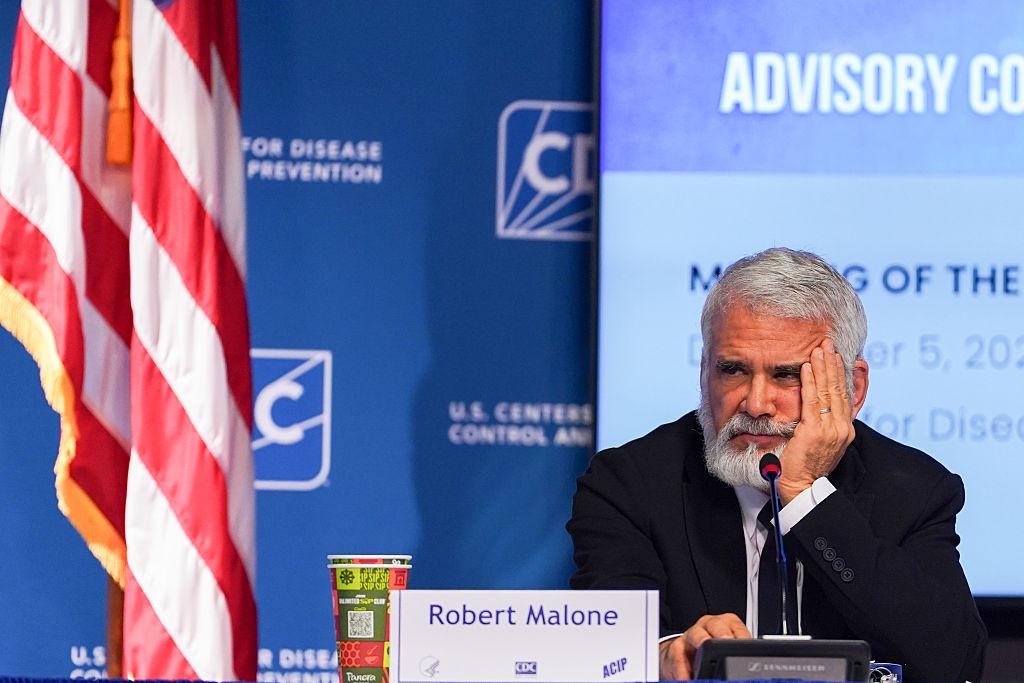
Robert Malone, one of the anti-vaccine figures handpicked by Health Secretary Robert F. Kennedy Jr. to reshape federal vaccine policy, has abruptly quit the CDC's advisory panel after a very public meltdown inside the administration. Ars Technica reports that Malone, who served as ACIP vice chair, said an HHS spokesperson had been trashing him in the press after Malone wrongly claimed the department might disband the committee and rebuild it yet again. The episode landed just days after a federal judge temporarily blocked Kennedy's appointments to the panel and stayed the vaccine-guidance changes that followed, saying the moves were likely illegal. So Malone's exit matters for more than the gossip value. ACIP was supposed to be Kennedy's mechanism for remaking official vaccine recommendations with loyalists after he fired the previous seventeen experts. Instead it has become a legal and political mess.
ACIP, the Advisory Committee on Immunization Practices, helps shape the federal vaccine schedule and the recommendations many doctors, insurers and public-health agencies follow. Control of the panel therefore matters far beyond one committee room.
BTS's first full-group performance since 2022 pulled 18.4 million viewers on Netflix and instantly showed why the band's return was treated less like a concert announcement than a global media event. BBC reports that the one-hour show from Seoul's Gwanghwamun Square was the first time all seven members had performed together since completing mandatory military service, and it opened an 82-date sold-out world tour tied to a new album, Arirang. The on-site crowd was tightly controlled: only about 22,000 ticketed fans got into the main venue, while tens of thousands more watched from giant screens nearby under a security operation involving about 7,000 police officers and anti-drone systems. Netflix said the livestream topped its rankings in 24 countries. Even the market reaction captured the scale of the anticipation. Hybe shares had run up ahead of the comeback, then fell 15.5 percent afterward, suggesting investors had already priced in something close to perfection.
The concert was another step in Netflix's push into live events after sports and boxing broadcasts. For BTS, it marked the end of a hiatus driven by South Korea's mandatory military-service rules.
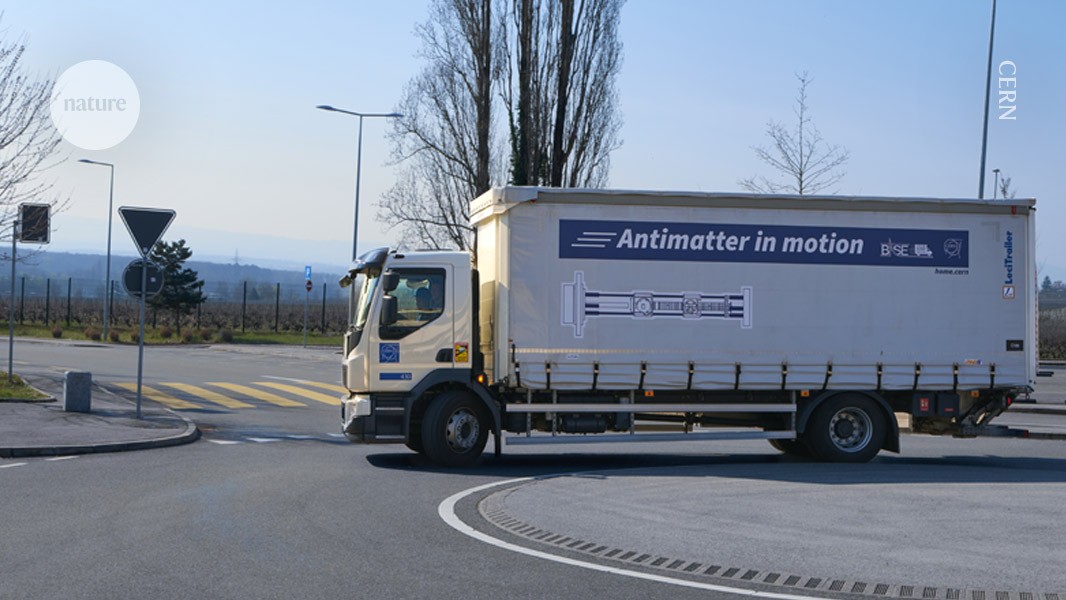
CERN has transported antimatter by truck for the first time, which sounds like a stunt until you look at what had to go right. Nature reports that researchers moved 92 antiprotons in a specially built magnetic trap on a 30-minute trip of more than 8 kilometers around the lab's Geneva site, reaching 42 km per hour without letting the particles touch ordinary matter and annihilate. The bottle had to keep the antiprotons suspended in magnetic fields, chilled to 4 kelvin and isolated in an extreme vacuum while also surviving the vibrations of road travel. The scientific payoff is that antiprotons could eventually be moved away from CERN's noisy antimatter factory and studied in quieter settings with greater precision. That opens a new phase for a field long limited by geography. Portable containment turns antimatter from a fixed-facility problem into something closer to a transportable research tool.
Antimatter is the mirror version of ordinary matter. When the two meet, they annihilate into energy, which is why even storing tiny amounts is notoriously difficult and why physicists prize any improvement in containment.
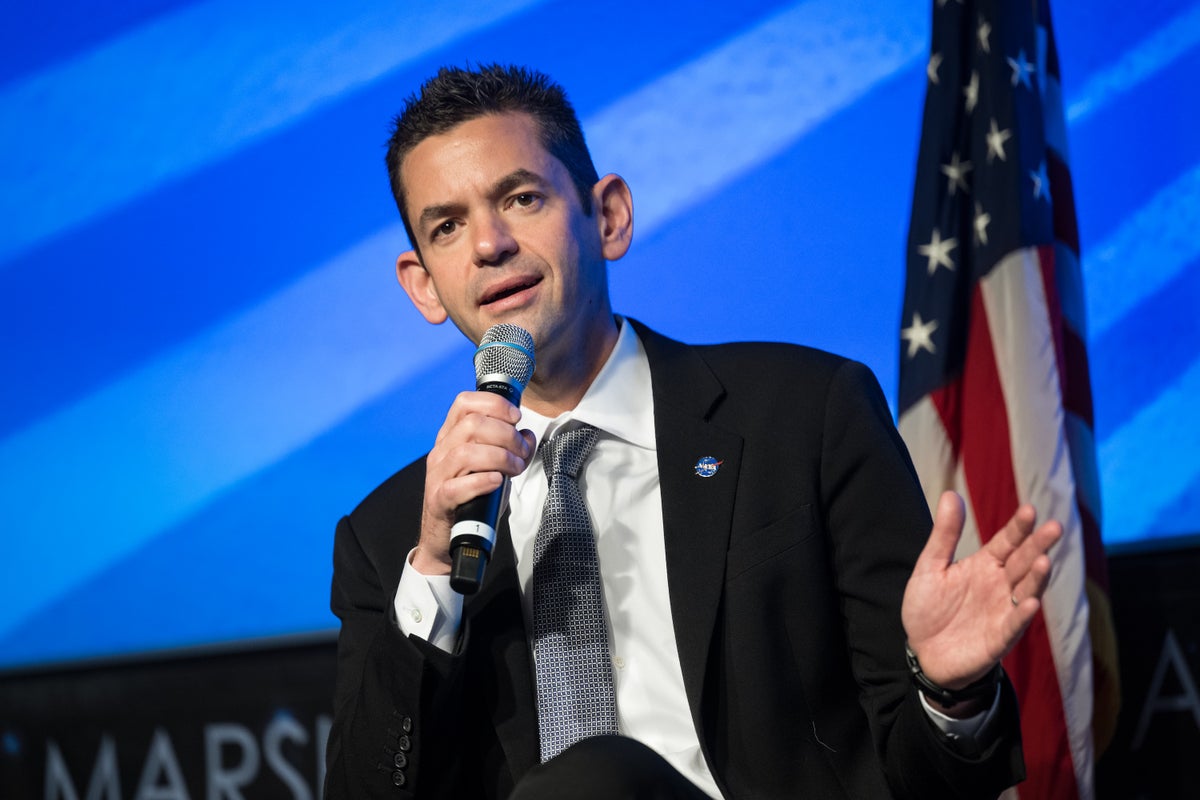
NASA says it now wants a permanent human foothold on the Moon rather than another brief return visit. Scientific American reports that administrator Jared Isaacman unveiled a $30 billion plan to build a lunar south-pole base by 2036, with crews eventually landing every six months, while effectively scrapping the long-discussed Gateway station in lunar orbit and pushing the International Space Station toward a commercial successor. The agency's near-term Artemis sequence stays recognizable: Artemis II is still targeted for April 1, Artemis III will test orbital docking with lunar landers in 2027, and Artemis IV is supposed to put humans back on the Moon in 2028. What changes is the scale. NASA now says the outpost will need dozens of launches for habitats, power, communications, drones and rovers, plus isotope power and eventually a nuclear reactor to survive the south pole's long dark stretches.
The lunar south pole is attractive because scientists think its permanently shadowed craters contain water ice. That could support life support, fuel production and longer-term exploration if NASA can actually build the infrastructure to stay there.