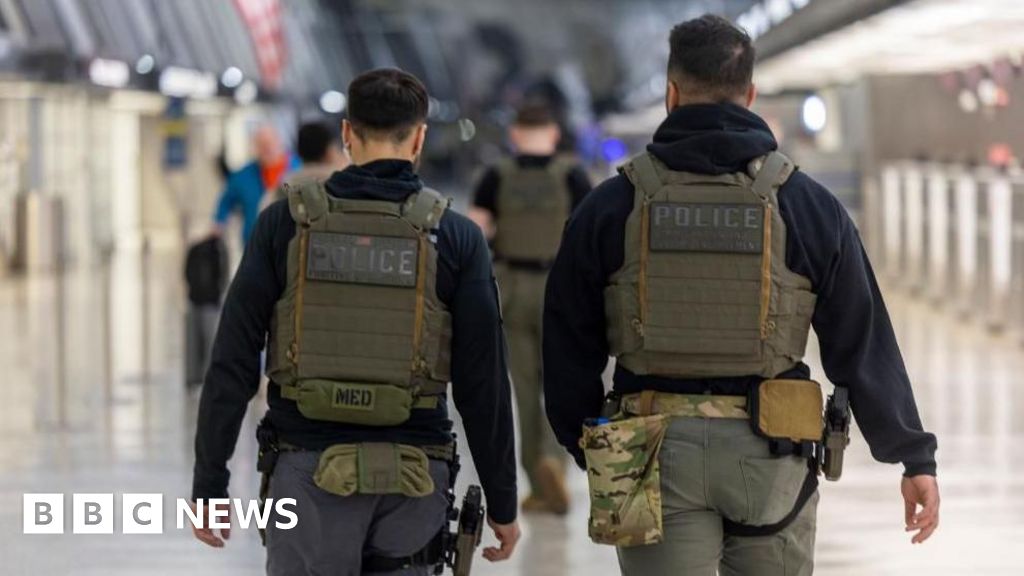
The Senate found a way to ease the airport chaos caused by the Department of Homeland Security shutdown, but the House may still block it. Senators voted overnight to reopen DHS while leaving Immigration and Customs Enforcement and Customs and Border Protection for a later fight, after a 40-day funding lapse left Transportation Security Administration officers working without pay and produced hours-long lines at major airports. By Friday morning, however, Speaker Mike Johnson had agreed with the Freedom Caucus to put a 60-day stopgap funding all of DHS on the floor instead of the Senate bill. That would keep the standoff alive and force the Senate back into the fight next week. The practical problem is simple: the Senate bill was designed as an airport rescue package disguised as a partial funding deal, and House conservatives are betting travelers can absorb more pain while Republicans push for a harder-line immigration package.
The shutdown began in mid-February when Congress deadlocked over ICE and border funding. DHS includes TSA, so long airport lines and staff attrition quickly turned what looked like an immigration fight into a broader public-services problem.
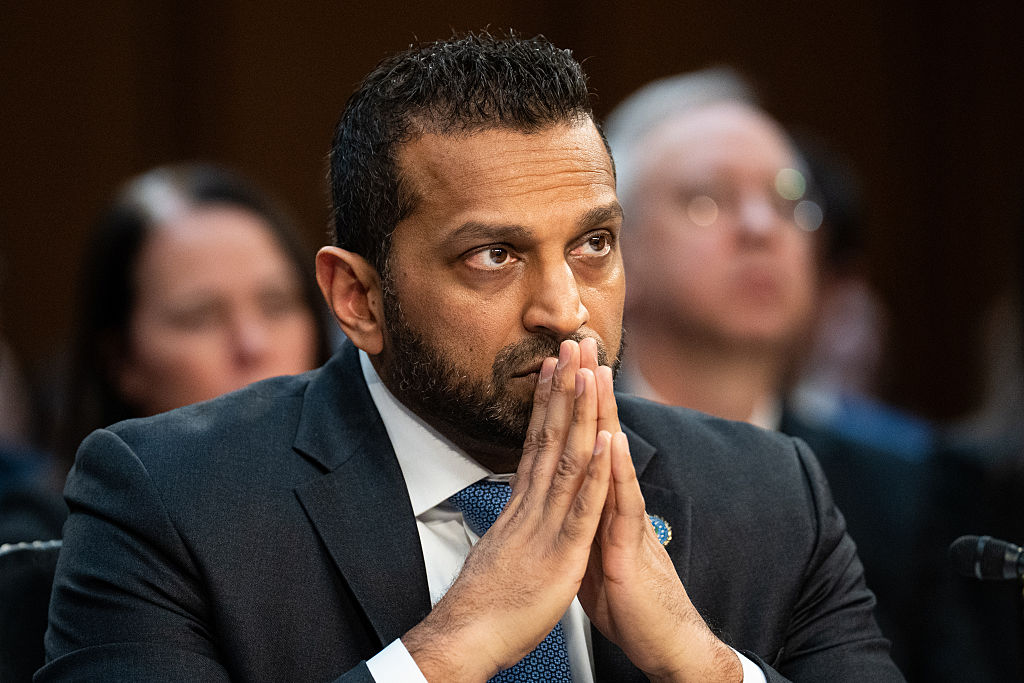
The Justice Department confirmed that Iran-linked hackers broke into FBI Director Kash Patel's personal Gmail account and leaked material they said was taken from it, an embarrassing escalation in a cyber confrontation that Patel had made very public. Ars, citing Reuters, says the group Handala Hack posted photos and documents dating from 2010 to 2019 and claimed the intrusion was retaliation after US authorities seized some of its domains and Patel vowed to "hunt" the group down. Reuters could not independently verify every file the hackers advertised, but the department indicated the emails appeared authentic. The most revealing part is not that the target was Patel, but that the target was his personal account: after weeks of chest-thumping about Iranian cyber threats, the country's top federal investigator was hit through the most ordinary, least institutional point of access. It is a reminder that retaliatory hacking campaigns often aim for humiliation as much as espionage.
Handala is widely treated by Western researchers as a front used by Iranian cyber operators. Earlier this month US authorities disrupted some of the group's infrastructure and offered rewards for information on its members after it threatened dissidents in the United States.
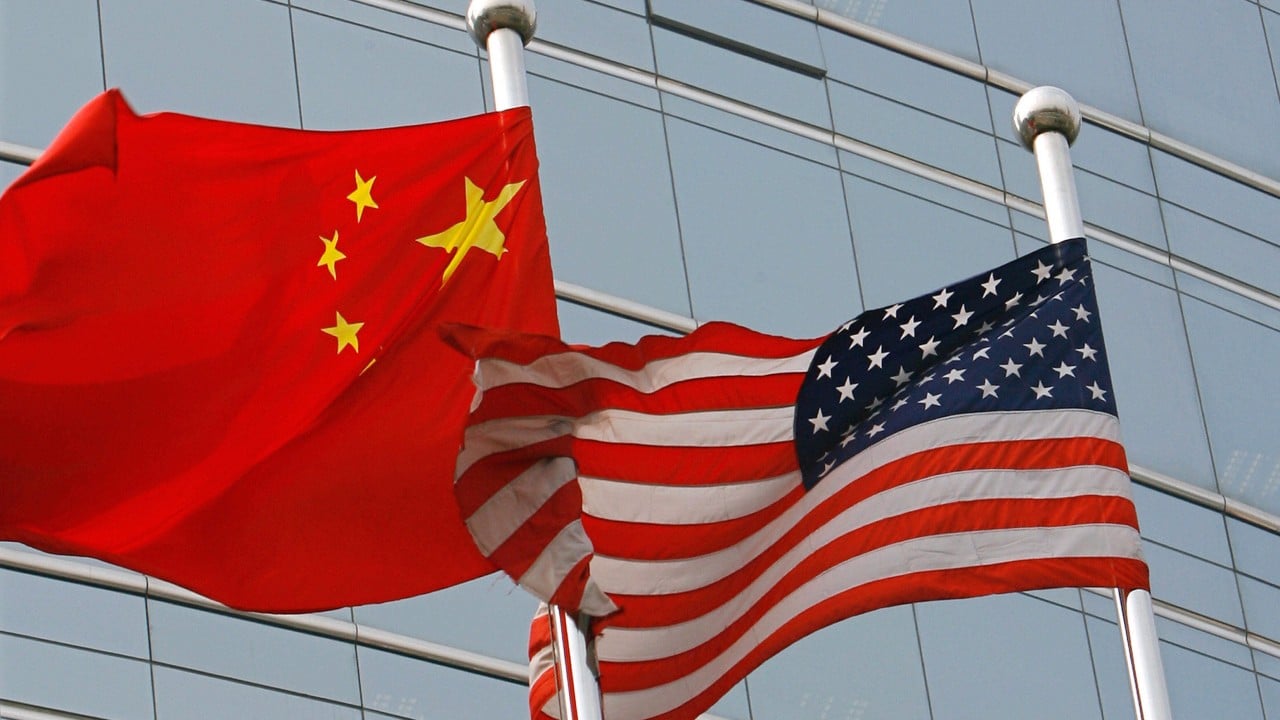
Beijing has opened two new trade-barrier investigations into the United States, turning the tariff fight into a slower legal and administrative war over what counts as unfair access to each other's markets. The commerce ministry says it will examine US restrictions that allegedly block Chinese goods, advanced-technology exports, investment flows, and cooperation on green products and clean-energy projects. The move is a reply to fresh Section 301 cases in Washington that could become the legal basis for another round of US tariffs after the Supreme Court struck down the earlier duties. China is not imposing new penalties yet; the investigations are supposed to run for six months, with a possible three-month extension. But they give Beijing an official mechanism for retaliation and negotiation at the exact moment Washington is searching for a new way to restore trade pressure. In other words, the tariff war did not end when the old tariffs fell apart. It changed forums.
Section 301 is the US trade law used to investigate and punish what Washington calls unfair foreign practices. SCMP reports the Trump administration is looking for a new tariff path after the Supreme Court invalidated the previous round of duties.
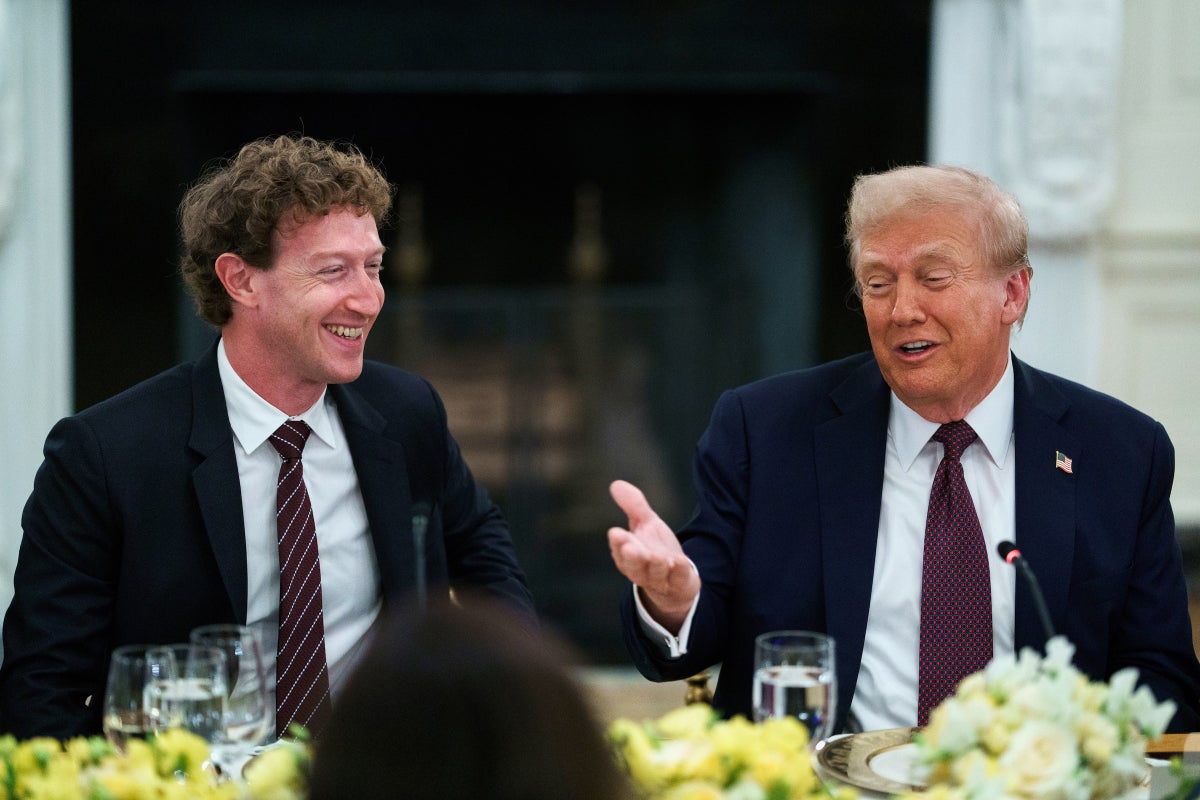
Trump's latest White House science advisory council looks far more like a tech-board dinner than a scientific advisory body. Of the 13 people named to the President's Council of Advisors on Science and Technology, all but one are leading technology executives, and at least nine are billionaires. The roster includes Mark Zuckerberg, Larry Ellison, Sergey Brin, Jensen Huang, Lisa Su, and Michael Dell; the lone university researcher is Nobel-winning quantum physicist John Martinis. Supporters say that lineup reflects the administration's priorities in AI, quantum computing, and nuclear energy, and Trump can still appoint more members. Critics argue the near-total absence of academic science leaves the White House badly positioned on biology, public health, and the research system itself. Compared with Biden's council, which leaned heavily toward academics, the new panel amounts to a clean change in what counts as expertise: less "advise us on science" and more "tell us what industry wants from policy."
PCAST advises the White House on science and technology policy across agencies. Every non-Trump version of the council since 2001 has had at least 10 academic researchers, making this roster an unusually sharp break from recent practice.
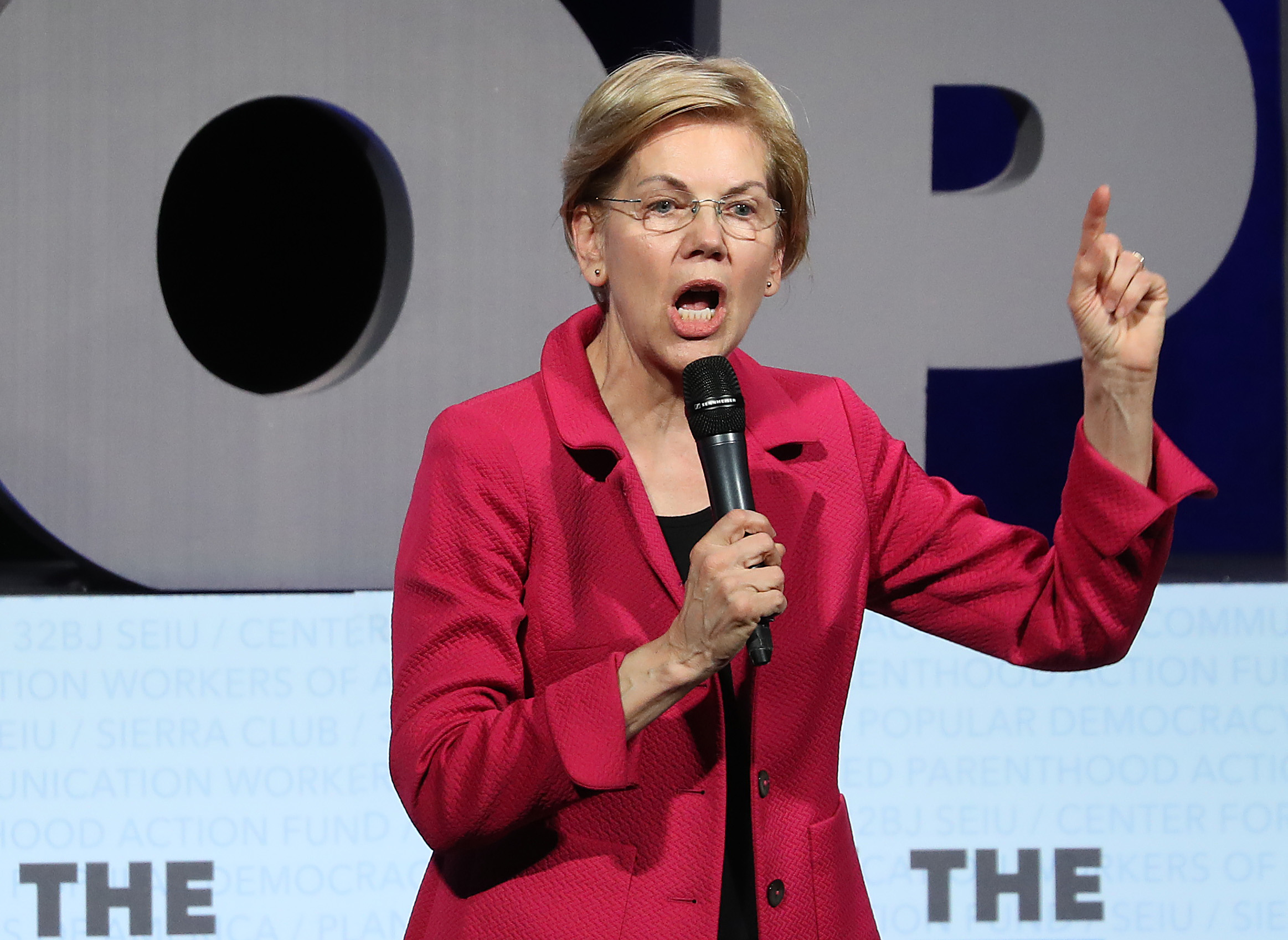
Elizabeth Warren and Josh Hawley are pushing the federal Energy Information Administration to require annual electricity-use disclosures from data centers, arguing that no one can honestly debate AI's effect on power bills while the country's best numbers are still guesses. Their bipartisan letter praises the agency's new voluntary pilot in Texas, Virginia, and Washington, but asks whether reporting will become mandatory and whether it will include behind-the-meter power built outside the public grid. That detail matters because tech companies increasingly promise to fund their own generation, which can make total demand harder to track while utilities still over-forecast projects that never get built. The politics here have shifted fast. A year ago data centers were mostly discussed as engines of AI growth; now lawmakers are treating them as potential ratepayer liabilities and grid-planning nightmares. The message from both left and right is that if companies want the power, they need to show the numbers.
No federal agency currently collects dedicated nationwide data-center electricity figures. Congress is now weighing broader disclosure bills, and some states are considering construction limits or moratoriums as AI-related power demand keeps rising.
Faculty resistance is hardening against big university AI deals as California State University decides whether to renew its $17 million ChatGPT Edu contract and the University of Colorado faces blowback over a newer $2 million-a-year agreement. At CSU, critics say a system still dealing with layoffs, course cuts, and budget strain is spending scarce money on a general-purpose chatbot that has not meaningfully changed teaching but does give students the sense that large-language-model use now carries institutional approval. Administrators and tech partners frame these contracts as workforce preparation and a secure way to provide AI access at scale. Faculty opponents see something else: campuses buying into Silicon Valley hype while claiming there is no money for people. The fight is less about whether professors are anti-AI than about what universities think they are for when budgets are tight - labor-saving experimentation, or human teaching and research that still has to be paid for.
Inside Higher Ed says CSU's systemwide deal covers about 460,000 students and 63,000 faculty and staff across 23 campuses, and expires June 30. Bloomberg reported in December that OpenAI had sold about 700,000 ChatGPT licenses to roughly 35 public universities.
Sony is raising PlayStation 5 prices in the US for the second time in eight months, pushing the Digital Edition from $500 to $600, the disc model from $550 to $650, and the PS5 Pro from $750 to $900. Part of that is the tariff hangover from last year, but Ars argues the deeper problem is now structural: memory and flash manufacturers are redirecting more capacity toward AI accelerators and data-center hardware, leaving consumer electronics to fight over what is left. That makes this round of increases feel more ominous than a temporary trade-policy shock. A five-plus-year-old console is supposed to be getting cheaper by now, not moving further out of reach. Instead, ordinary gaming hardware is becoming one more place where the AI build-out is showing up as a household cost. The PS5 is not short because people suddenly want more consoles; it is expensive because someone else wants the chips inside the broader supply chain.
Sony, Microsoft, and Nintendo all announced at least some console price increases in 2025. Suppliers such as Kioxia say relevant memory capacity is effectively sold out through the end of 2026, so a quick reversal looks unlikely.
An AI system called "The AI Scientist" wrote a paper without human involvement that passed peer review for an ICLR 2025 workshop, a milestone that sounds more impressive than the paper itself but more alarming than a novelty stunt. The accepted paper was not brilliant; Jeff Clune, whose team built the system, and outside researchers alike describe the output as mediocre, with weak logic, duplicated figures, hallucinated references, and shaky methods. What changed the mood was the economics. Scientific American says the system produced a formally passable machine-learning paper in about 15 hours for roughly $140. That raises the immediate fear that conferences and journals will be flooded with cheap, machine-generated submissions long before reviewers or software can separate competent automation from synthetic sludge. The short-term future is not robot genius taking over science. It is peer review drowning in volume. The longer-term question is whether human scientists remain authors, supervisors, or just quality-control staff.
The paper was submitted with conference permission to an ICLR workshop and then withdrawn after review. Top-tier venues still ban fully AI-written main-conference papers, but researchers quoted by Scientific American say reliable detection tools do not yet exist.
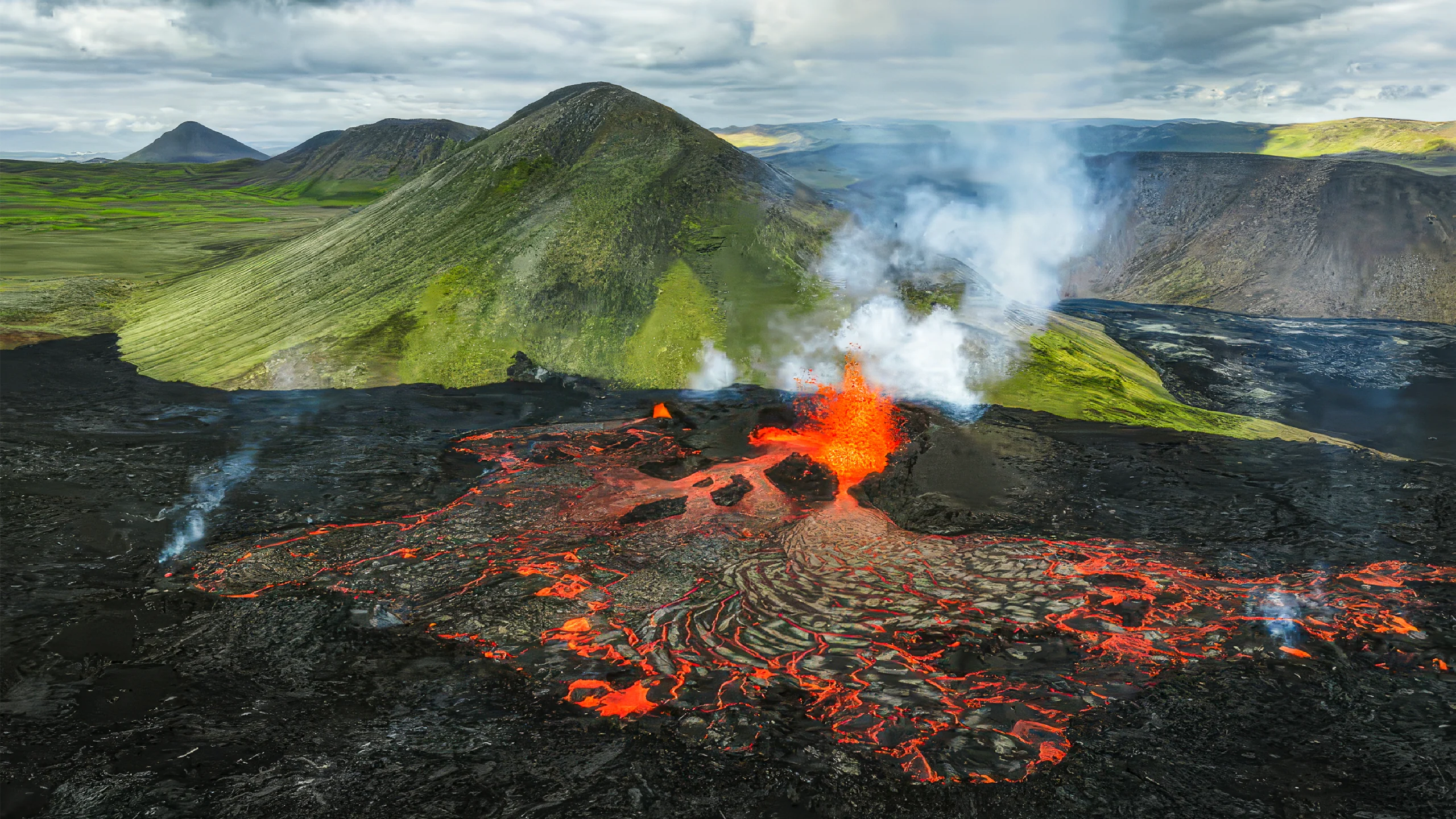
Volcanologists are increasingly treating neighboring volcanoes less like isolated mountains and more like connected plumbing systems after case studies from Alaska to Iceland showed that one vent can steal magma from another. Quanta uses the 1912 Katmai-Novarupta disaster as the classic example: scientists eventually concluded that the giant collapse at Mount Katmai happened because an opening 10 kilometers away siphoned off much of its magma. The same coupled-volcano logic now helps explain why Iceland's Fagradalsfjall eruptions seemed to give way to activity at nearby Svartsengi. If researchers can trace those underground links in real time, eruption forecasting could improve because unrest at one site may signal danger somewhere else, not just directly beneath the shaking ground. The conceptual shift is the point. A volcano may not be a standalone mountain with its own private fuel tank. In some regions it is one node in a larger network, and networks behave differently.
Katmai's 1912 eruption was among the twentieth century's largest and cooled the Northern Hemisphere for more than a year. Modern monitoring combines seismic signals, ground deformation, and modeling to infer where magma is moving underground.
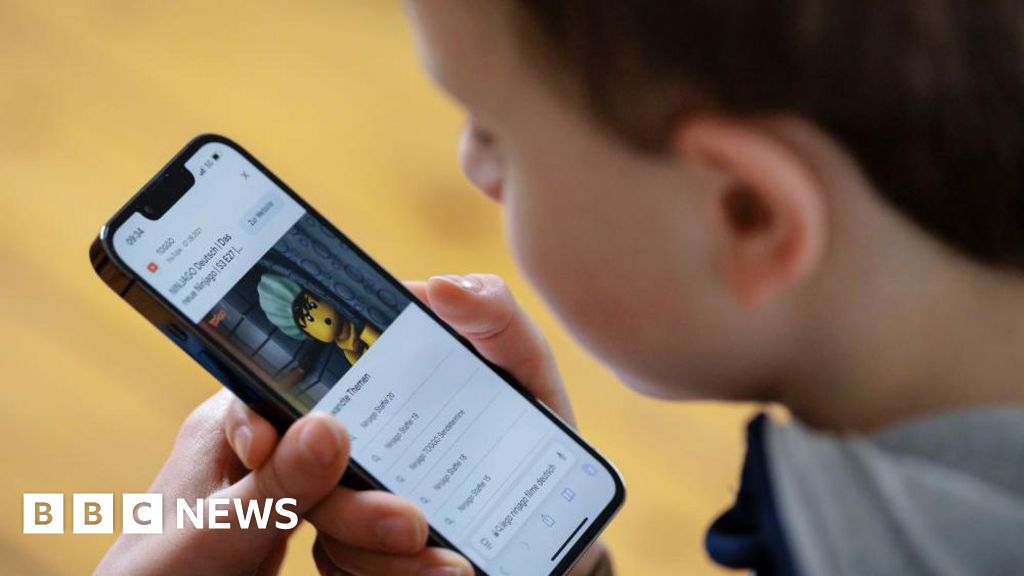
Austria has become the latest European country to push age-based restrictions on social media, with the coalition government saying children under 14 should be protected from addictive algorithms and harmful content. Vice-Chancellor Andreas Babler said the state should treat the issue more like alcohol or tobacco regulation, but the government has not yet explained how the ban would actually be enforced. That uncertainty is common across the new wave of proposals. The interesting change is political rather than technical: lawmakers are increasingly acting as if the platforms themselves are the product that needs limits, not merely the offensive posts that appear on them. Austria is joining a broader movement that already includes an under-16 ban in Australia and similar debates in France, the UK, Denmark, Greece, Spain, and Ireland. After years of weak age gates and optional parental controls, governments are starting to conclude that voluntary safeguards are not a serious child-protection system.
A US jury this week found that two social-media companies intentionally built addictive algorithms that harmed young users' mental health. Most major platforms already ban under-13s on paper, but enforcement is widely seen as weak and easy to evade.