Israeli police stopped Cardinal Pierbattista Pizzaballa, the Latin Patriarch of Jerusalem, from entering the Church of the Holy Sepulchre on Palm Sunday, forcing the cancellation of one of Christianity's most symbolically loaded observances in the city. Church officials said it was the first time in centuries that a Latin Patriarch had been turned away from the site on Palm Sunday. Benjamin Netanyahu said the restriction was a temporary security measure after recent Iranian strikes and pointed to missile fragments that had landed near the church. But the patriarchate called the move a grave precedent and an unreasonable violation of freedom of worship, while US ambassador Mike Huckabee publicly criticized it as an overreach. The episode matters because it shows how the Iran war is no longer only about missiles and oil routes; it is now directly disrupting the daily religious status quo in Jerusalem's most contested sacred spaces.
The Old City's holy sites have been under heavy restrictions since the US-Israel war against Iran began on February 28. The traditional Palm Sunday procession from the Mount of Olives had already been canceled before the patriarch himself was blocked.
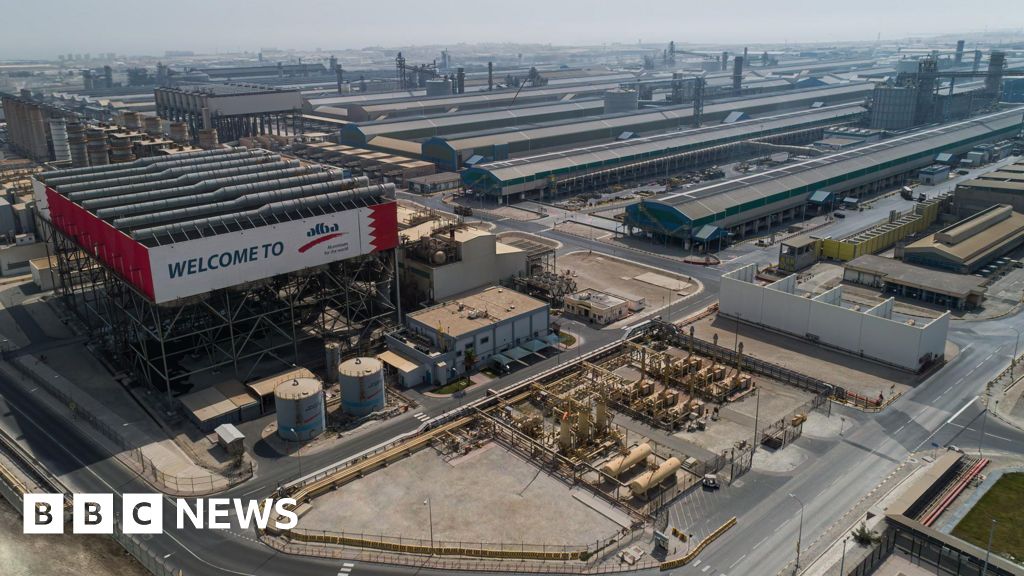
The Iran war spilled deeper into the Gulf on Saturday as strikes hit industrial and transport infrastructure well beyond Israel itself. The UAE said an Iranian attack damaged a major aluminium plant in Abu Dhabi and injured several people, while Bahrain's state-controlled Aluminium Bahrain said two workers were wounded at one of the world's largest smelters. Oman reported a drone strike at the port of Salalah that injured a foreign worker, and Kuwait said 15 drones damaged radar at its international airport. Iran's Islamic Revolutionary Guard Corps claimed responsibility for the attacks on the aluminium sites, arguing they were linked to the American military and were retaliation for earlier US and Israeli strikes on Iranian industry. The significance is economic as much as military: this is the machinery of Gulf commerce getting dragged into the war, raising the risk that energy, metals, shipping, and aviation disruptions become part of the conflict's normal rhythm.
Oil and gas prices were already rising after Iran effectively shut the Strait of Hormuz. The Houthis' entry into the war has added a second shipping threat, because attacks in the Red Sea could stack on top of Gulf disruptions instead of merely replacing them.
Two jury verdicts in quick succession have made it harder for social platforms to argue that the harms they create are too abstract to pin on them in court. In New Mexico, jurors found that Meta knowingly harmed children's mental health and violated state consumer-protection law, with AP reporting that the company was ordered to pay $375 million. Reuters separately reported that a Florida jury found Google liable for the role YouTube played in the death of a 10-year-old girl who tried to imitate the so-called blackout challenge. The immediate policy consequence is not that Congress suddenly has a bill ready to pass. It is that the legal baseline has shifted: juries are now willing to treat platform design, recommendation systems, and weak child-safety enforcement as things that can generate real liability instead of vague moral blame. That gives state attorneys general and youth-safety advocates much stronger leverage than they had a month ago.
More than 40 state attorneys general have sued Meta over social media's effects on young users. Congress has spent years circling youth-online-safety proposals without producing a stable national framework for platform liability or design duties toward minors.
Angela Lipps, a 50-year-old Tennessee grandmother, spent more than five months in jail after police in Fargo, North Dakota, used a neighboring department's AI facial-recognition system to identify her as a possible fraud suspect in a state she says she had never visited. CNN reports that West Fargo police used Clearview AI and passed along a match, and Fargo investigators then treated that lead as if the underlying surveillance photos and fake-ID evidence had already been properly connected. Lipps was arrested in Tennessee in July, spent more than three months there before extradition, and was not released until Christmas Eve after her lawyer produced bank records showing she had been in Tennessee when the crimes happened. Fargo's police chief has since said the department found multiple errors in the process and will stop relying on West Fargo's system. The story is a clean example of how a probabilistic AI match can turn into months of very non-probabilistic punishment.
Police departments have increasingly adopted facial-recognition tools despite repeated warnings about false matches and weak oversight. Clearview AI built its database from billions of images scraped from the internet, including social media, and has become a flashpoint in debates over policing and civil liberties.
NASA says Artemis II is now targeting an April 1 launch, which would send four astronauts around the moon and, if it happens on schedule, carry humans beyond Earth orbit for the first time since Apollo 17 in 1972. The crew, Reid Wiseman, Christina Koch, Victor Glover, and Jeremy Hansen, arrived in Florida and publicly projected calm even while acknowledging that the mission has already slipped several times because of spacecraft problems uncovered during testing. Scientific American reports that the 10-day flight would push the astronauts farther from Earth than any humans have gone before, while also putting the Space Launch System rocket and Orion capsule through the most consequential trial of the post-Apollo lunar program. The mission matters less as a single stunt than as a systems test: if Artemis II cannot fly safely and credibly, NASA's entire plan for later moon landings and a longer-term human presence near the lunar surface gets harder to defend.
Artemis II is the crewed follow-up to the uncrewed Artemis I test flight. NASA intends it to validate the hardware and operating procedures that later Artemis missions would use for lunar landing attempts and longer-duration moon operations.
Researchers at Amsterdam University Medical Center used high-energy X-rays and 3D scans of two donated female pelvises to produce what they describe as the first full map of the clitoris's internal nerve network, a basic anatomical milestone that medicine somehow still lacked in 2026. The new scans trace five branching nerve pathways in far greater detail than earlier work and suggest that one widely taught idea was wrong: the major dorsal nerve does not fade out before the glans, but appears to continue strongly into its most sensitive tissue. The work is currently posted as a bioRxiv preprint rather than a peer-reviewed paper, so it is not the last word. But even at this stage, the practical implications are obvious. Better nerve maps could help surgeons avoid damaging sexual function during pelvic cancer operations, gender-affirming surgery, labiaplasty, and reconstructive procedures after female genital mutilation. It is the kind of result that feels overdue because it is.
The clitoris did not appear in a standard edition of Gray's Anatomy until 1995, a striking sign of how neglected female sexual anatomy has been in mainstream medicine. Researchers say better mapping could reduce postoperative declines in sexual function that still follow some pelvic procedures.
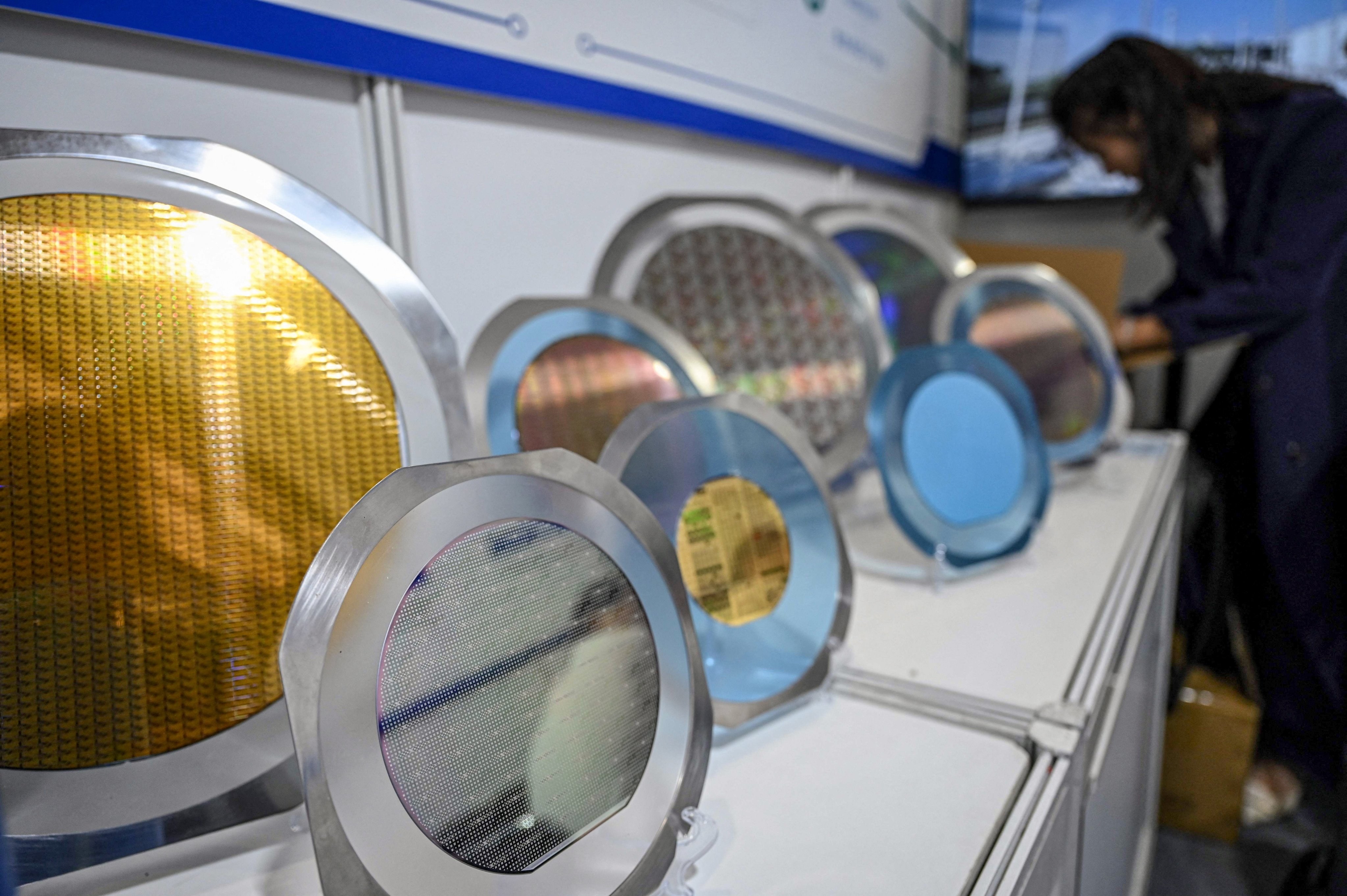
A broad semiconductor price wave is now reaching a part of the market where China has a more realistic shot at catching up. SCMP reports that Novosense, SG Micro, Fortior, Halo Microelectronics, Silan Micro, and Kiwi Instruments have all raised analogue-chip prices alongside global firms such as Texas Instruments, Analog Devices, NXP, Infineon, Onsemi, and STMicroelectronics. TI's latest round alone will raise selected prices by as much as 85% in April. These are not the glamorous chips behind frontier AI training; analogue chips handle messy real-world signals such as temperature, sound, and power management, and they are used everywhere. The interesting point is strategic. When global prices rise because wafers, packaging, and AI-driven demand are pushing costs through the whole supply chain, Chinese mature-node producers get more room to lift their own prices without looking obviously uncompetitive. That does not solve China's high-end semiconductor problems, but it does improve the economics of the part of the stack where it already has a credible manufacturing foothold.
Mature-node chips are produced on older manufacturing processes rather than the most advanced cutting-edge nodes. China remains constrained at the frontier by export controls and tooling limits, so gains in these less glamorous segments can still matter a great deal commercially.
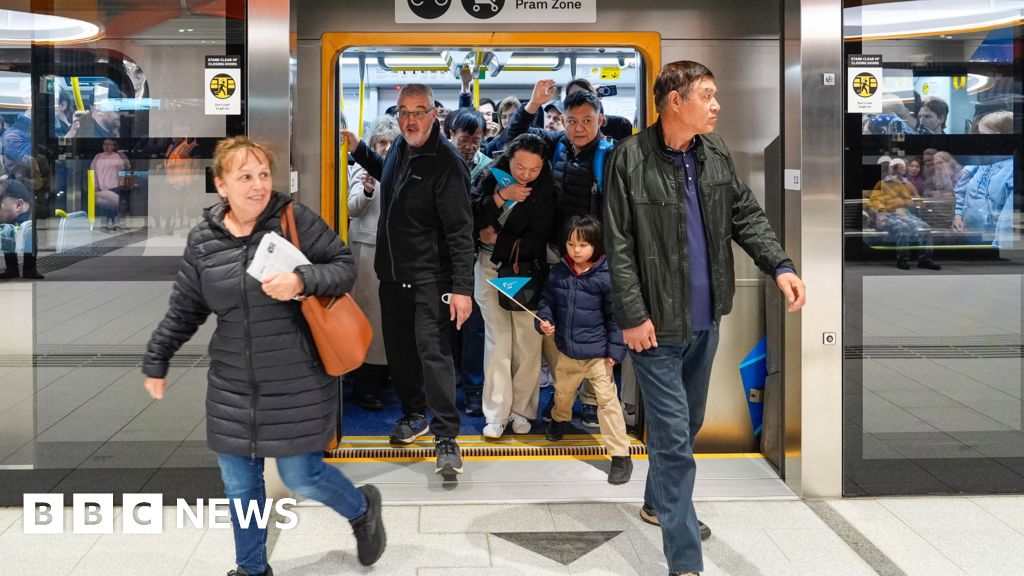
Australia is starting to treat the Iran war as a household cost-of-living problem rather than a distant foreign-policy story. Victoria said trains, trams, and buses would be free throughout April, while Tasmania said coaches, buses, and ferries would be free from Monday through the end of June, both moves aimed at reducing driving as petrol prices climb. BBC reports that the average Australian petrol price rose to A$2.38 a litre from about A$2.09 when the war began a month ago. Other states have so far resisted copying the plan, preferring either to conserve budget room or point to fare cuts already in place. What makes the story interesting is that it shows one concrete way governments are adapting to an energy shock caused by a war they cannot control: instead of trying to cap the global oil price, they are trying to suppress road-fuel demand and redirect people into existing public transport systems before panic-buying and shortages get worse.
Australia says supply itself is not the immediate problem; the shock is coming from international oil prices after the effective closure of the Strait of Hormuz. About a fifth of the world's oil and natural gas normally moves through that waterway.
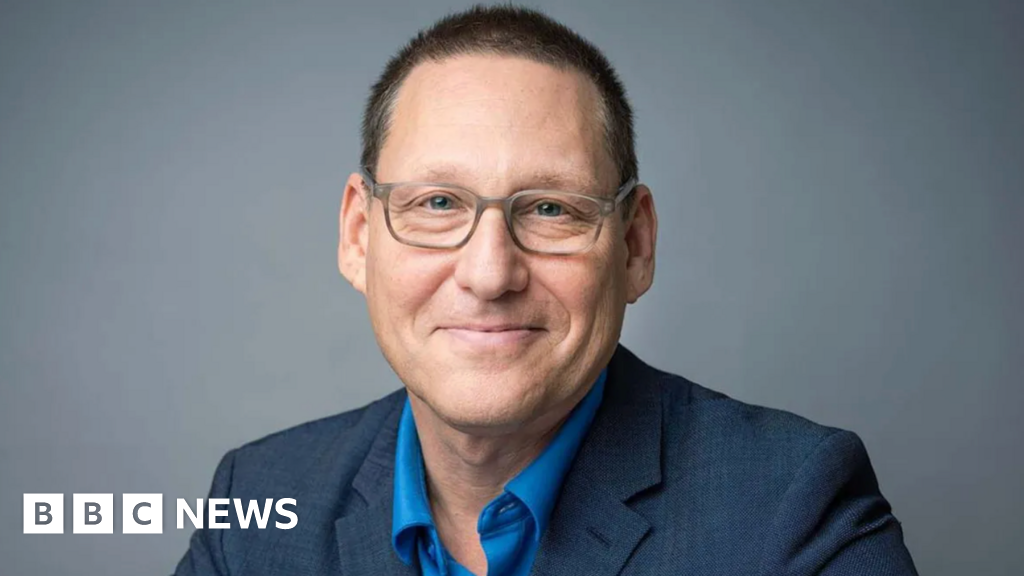
Canada's left-leaning New Democratic Party picked Avi Lewis as its new leader on Sunday, handing the former journalist and activist a difficult rebuilding job after the party was crushed in the 2025 federal election. Lewis won on the first ballot with 56% of the vote and framed his program around worker rights in the age of AI, opposition to new oil and gas pipelines, and even the possibility of state-owned non-profit grocery stores. The bigger number is not his vote share but the NDP's current footprint: it now holds only six seats in the House of Commons, far from the position it reached when it briefly became the official opposition in 2011. Lewis also does not currently hold a seat himself, which means he will have to restore the party's relevance while operating outside Parliament's day-to-day fights. For Canada, this is a question about whether the country still has room for a national left-populist party distinct from the Liberals rather than merely adjacent to them.
The NDP lost 17 seats in the 2025 federal election, and former leader Jagmeet Singh resigned after the defeat. The party still governs at the provincial level in British Columbia and Manitoba, but federally it has been polling far behind both the Liberals and Conservatives.
Static electricity feels like school-lab science, but researchers still do not have a clean theory for what actually moves between materials when they rub together or collide. Scientific American, drawing on new work in Nature, reports that Scott Waitukaitis and colleagues have found that charging can depend heavily on a material's contact history: samples that have been touched more often can systematically charge differently from fresh ones, which helps explain why supposedly identical experiments have produced maddeningly inconsistent results. The team also found evidence that carbon-containing surface molecules help steer the direction of charge exchange. That does not magically resolve every argument about whether electrons, ions, or bits of material are moving, but it narrows the chaos. The practical payoff is larger than the classroom-demo setup suggests. Better triboelectric models could improve battery-free sensors and wearable devices while also helping engineers prevent the accidental electrostatic discharges that can trigger industrial explosions.
People have been observing static electricity since antiquity, yet the field still struggles with reproducibility and basic mechanism. Interest surged again in recent years because triboelectric effects may be useful for harvesting tiny amounts of mechanical energy to power small devices.