Just hours before his deadline expired, President Trump announced a "double-sided" ceasefire with Iran, suspending Operation Epic Fury for two weeks to allow negotiation of a permanent settlement. Pakistan emerged as the crucial mediator—Prime Minister Shehbaz Sharif called Trump and Field Marshal Asim Munir, Iran's longtime diplomatic partner, persuaded Tehran to agree. Iran will allow safe passage through the Strait of Hormuz during the pause, its opening conditional on coordination with Iran's Armed Forces. Peace talks between delegations from both nations are scheduled to begin Friday in Islamabad. The ceasefire sidesteps Trump's threatened "all hell" response to Iranian missile strikes and buys time before what many observers expected would be a ruinous escalation.
The US and Israel launched coordinated attacks on Iran at the end of February after Iran fired missiles at Israel. That escalation triggered a month of tit-for-tat strikes that disrupted global energy markets. Iran's 10-point proposal demands withdrawal of US forces from regional bases, sanctions relief, return of frozen assets, and compensation for war damages.
Crude prices experienced their steepest single-day fall since 1991 as the ceasefire erased war risk premiums built into energy markets over the past month. Brent tumbled 15% to $92.21 per barrel, while West Texas Intermediate fell more than 16% to $94.47, still nearly $20 above pre-war levels. The collapse reversed months of oil supply anxiety—before late February's strikes, roughly 20% of global crude flowed through the Strait of Hormuz uninterrupted. The war had created the steepest monthly crude spike in history, a 50% jump in March alone. Global stock markets surged in tandem. The Dow popped more than 2%, Asian equities rallied, and emerging-market assets surged as investors bet that stable energy prices unlock consumption and ease Fed pressure to cut rates.
The war disrupted one of the world's most critical energy corridors. Traders had priced in further supply destruction if conflict escalated—the overnight ceasefire announcement extinguished that risk at a stroke, freeing long positions to exit at full tilt.
Democrat-backed Chris Taylor crushed conservative Maria Lazar in Wisconsin's Supreme Court election, putting the liberal majority firmly out of reach for Republicans until 2030. Taylor, an appeals court judge and former state legislator, won by roughly 20 percentage points—a massive overperformance compared to how Democrats performed in the 2024 presidential race. The win gives liberals their fifth seat on the seven-member bench. Abortion rights proved decisive. Taylor, who once directed policy at Planned Parenthood, centered her campaign on reproductive freedom. Lazar, a Scott Walker-era attorney, inherited a losing position the moment the court began striking down Wisconsin's abortion ban in prior rulings. Republicans' hope of recapturing the court via the bench rests on a 2027 retirement opportunity.
Wisconsin's Supreme Court elections have become a proxy war over abortion access and voting rights in a purple state. The court overturned the state's 19th-century abortion ban in recent years, earning fierce Republican backlash. Tuesday's result extends the liberal majority's control of the court indefinitely.
Anthropic unveiled Claude Mythos, a new frontier AI model optimized for finding security flaws, but will only hand it to about 40 organizations plus major tech companies through a program called Project Glasswing. The company says the model is too dangerous to release publicly—in early testing, Mythos found thousands of zero-day vulnerabilities in every major operating system and web browser, some lurking undetected for decades. One bug in OpenBSD dated back 27 years. The initiative pairs Anthropic with Amazon, Apple, Broadcom, Cisco, and others to harden critical infrastructure against attacks while keeping the tool away from malicious actors. Mythos can describe not just what's broken, but how to exploit it, making open release a genuine national security gamble.
AI models excel at pattern-matching, which translates directly to vulnerability discovery—a dual-use capability that cuts both ways. Anthropic chose restricted access over public release, betting that defensive hardening will outrun offensive exploitation.
via Search Engine Land, New York Times, Ars Technica
Google's AI-generated search summaries answer factual questions incorrectly roughly 1 in 11 times, according to analysis of benchmark queries. At 91% accuracy, that sounds fine. But Google processes over 5 trillion searches annually. The math gets grim: 9% error rate translates to tens of millions of wrong answers per hour flowing to users who assume they're consulting a reliable reference. The New York Times and AI startup Oumi tested 4,300 queries, finding that even correct answers often lacked supporting evidence—more than half of February's accurate responses were "ungrounded," meaning the linked sources didn't fully back the summary. Google removed Overviews for some health questions after a Guardian investigation caught the system recommending that pancreatic cancer patients avoid high-fat foods, opposite what oncologists advise. The company calls this iteration.
Google rolled out AI Overviews to summarize search results. The feature saves users a click but trades precision for speed. At scale, small error rates become large absolute errors.
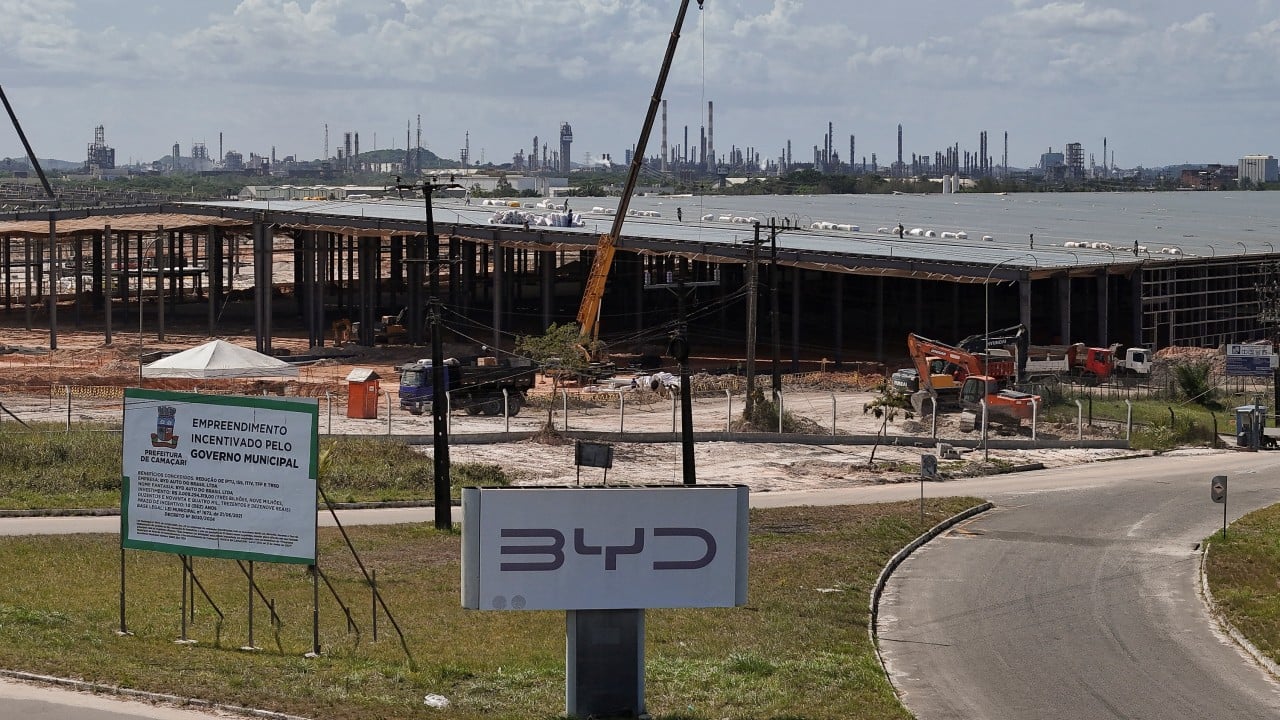
Brazil's Ministry of Labor added Chinese EV giant BYD to its "dirty list" of employers for subjecting workers to conditions amounting to forced labor. The registry bars flagged companies from state financing and triggers reputational consequences. BYD's Brazilian facility, the company's largest manufacturing plant outside China, drew the sanction after inspectors found workers locked in the plant during shifts, withholding of wages, and excessive working hours. BYD becomes the first major Chinese automaker to face such designation from a major trading partner. The move tests whether EV supply chain scrutiny can match the intensity applied to apparel and agriculture. BYD disputed the findings and said it has improved conditions.
BYD is the world's largest EV maker by volume. Labor and supply-chain standards became flashpoints as Western governments scrutinize Chinese industrial practices. This is the first major labor violation finding against a Chinese EV manufacturer at scale.
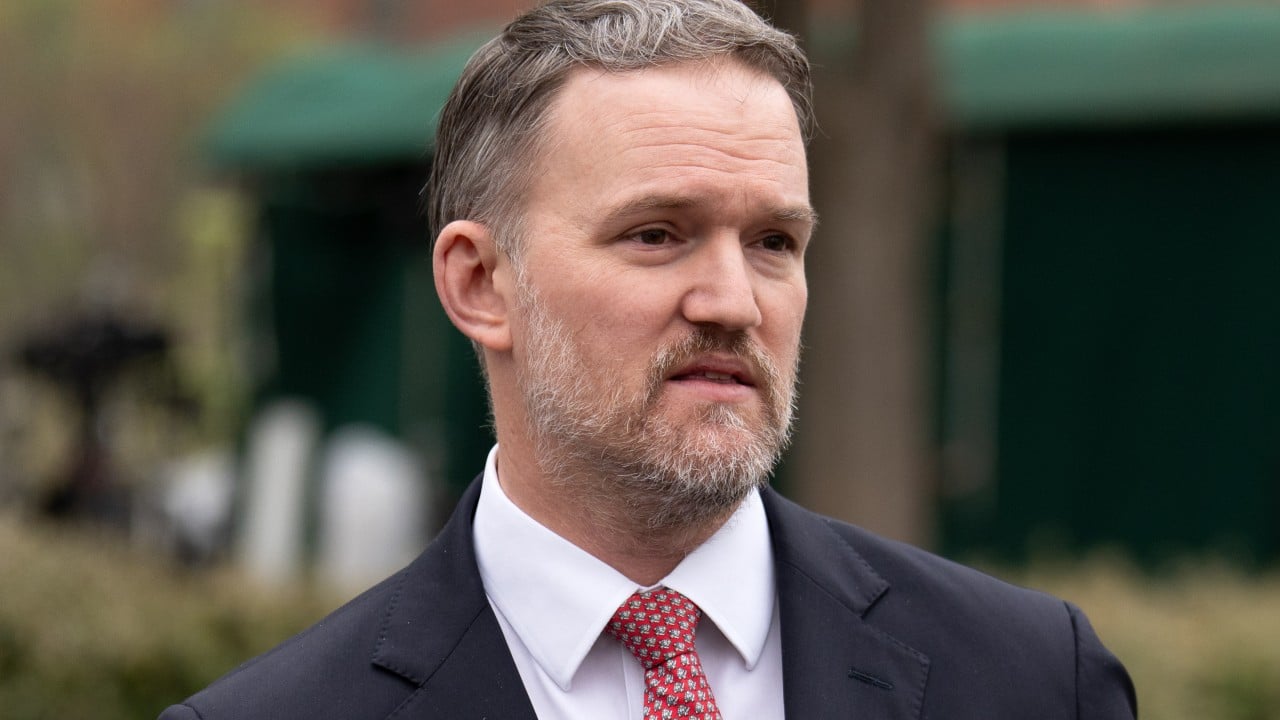
US Trade Representative Jamieson Greer announced that preparatory talks for Trump's planned summit with Xi Jinping will be virtual only, with no push to expand bilateral investment before the in-person meeting. The cautious signaling suggests the White House is tempering expectations ahead of high-stakes negotiations. Greer indicated that the US will stick to "tightly managed" engagement focused on existing disputes rather than new cooperation frameworks. The approach contrasts with typical pre-summit diplomacy, which often features track-two talks and investment announcements meant to build momentum.
The Trump-Xi summit is scheduled for early May. Bilateral relations remain tense over trade policy, Taiwan, technology exports, and industrial policy. Neither side has signaled enthusiasm for major breakthroughs.
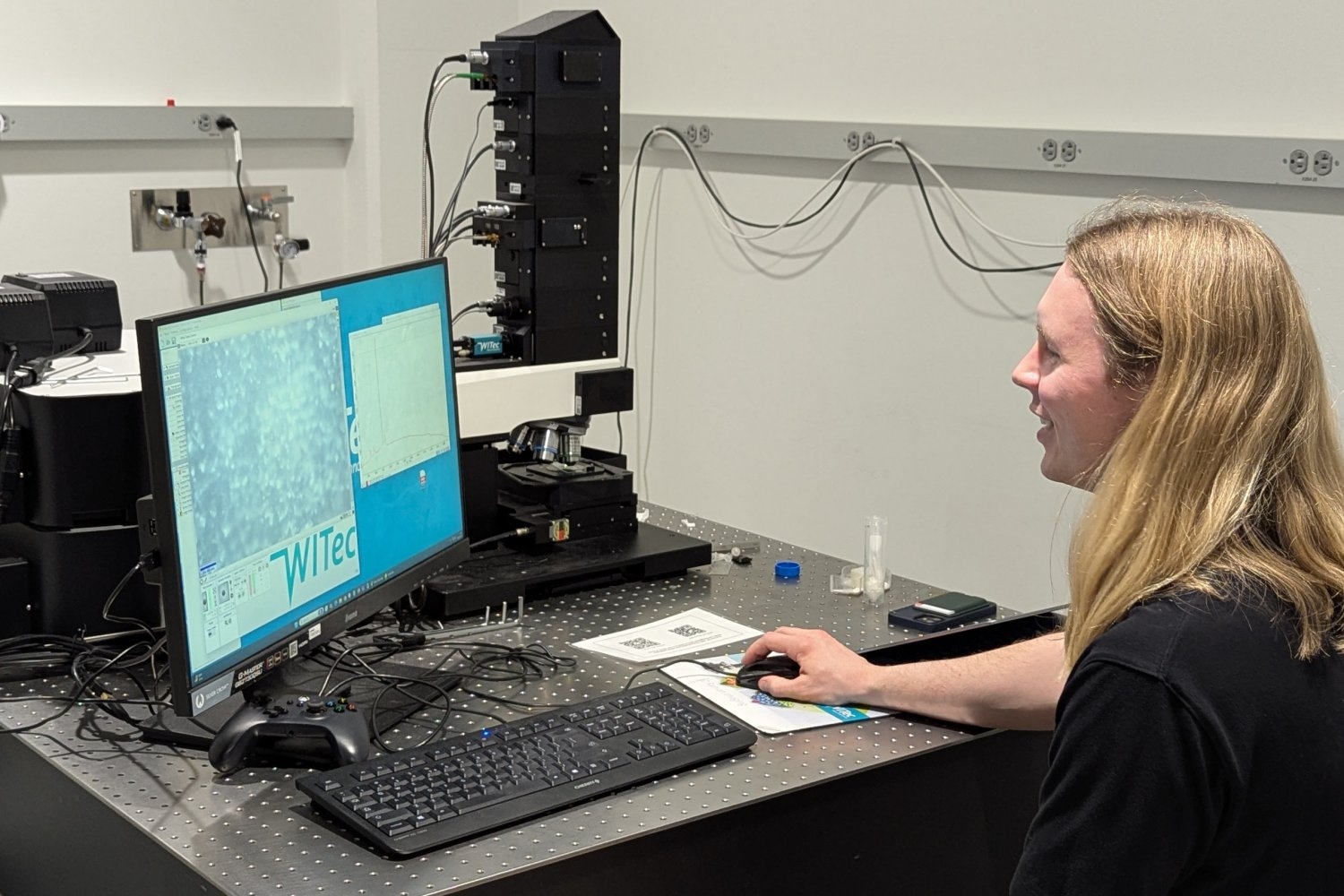
Sixteen new companies joined MIT.nano's START accelerator, bringing the cohort to over 30 firms, nearly half with MIT pedigrees. The cohort focus on hard-tech solutions—actual atomic-scale engineering, not software—across semiconductors, photonics, energy storage, and sensing. MIT.nano's role as an incubator reflects a broader bet that US manufacturing and frontier physics need an ecosystem of young companies. Participants include startups working on next-generation sensors, advanced battery materials, and quantum-enabled applications. The accelerator program signals confidence that hard tech can attract capital and talent despite longer development timelines and higher R&D costs than software.
MIT.nano opened in 2018 as a shared research facility. The START accelerator identifies founders and teams with ideas mature enough to commercialize. Hard-tech startups typically require both deep technical credibility and patient capital.
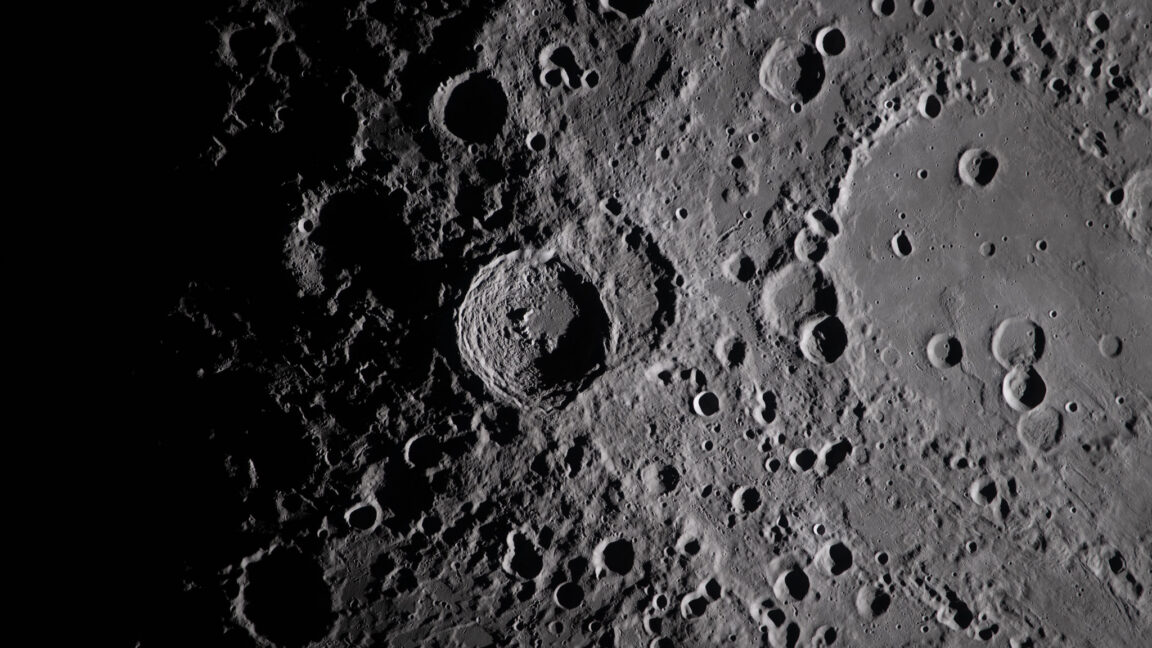
NASA's Artemis II crew sent back high-resolution photographs of the lunar surface and Earth from lunar orbit, marking a major milestone in the moon program's return to human spaceflight. The images capture the far side of the Moon—the hemisphere perpetually facing away from Earth—in unprecedented detail. Crewed missions photograph differently than robotic ones: astronauts compose shots, adjust cameras, and capture the sublime at intervals rather than on predetermined automated schedules. The Artemis II crew also made a "ship to ship" call to astronauts aboard the International Space Station, a first for a lunar mission. The photographs will inform planning for the Artemis III landing scheduled for late 2026.
Artemis II is an uncrewed test flight of the Space Launch System and Orion spacecraft. Artemis III, crewed for the first time since Apollo 17 in 1972, will land astronauts at the lunar south pole to explore water-ice deposits.
Trump's inflammatory rhetoric about Iran—including a statement that "a whole civilization will die"—is politically reckless and diplomatically destructive, but does not constitute a war crime under international law, writes a legal analyst in National Review. The distinction matters. His opponents can criticize the threats as dangerous and immoral without stretching legal definitions. Trump backed away from the threatened strikes after the ceasefire announcement, but the incident revealed how political pressure and nationalist fervor can push executive rhetoric to extremes. The piece argues for parsing rhetoric from legal liability while maintaining robust critique of the former.
Trump's "whole civilization will die" comment sparked international alarm and domestic impeachment threats. Lawmakers and analysts debated whether the rhetoric crossed legal thresholds for war crimes or crimes against humanity.