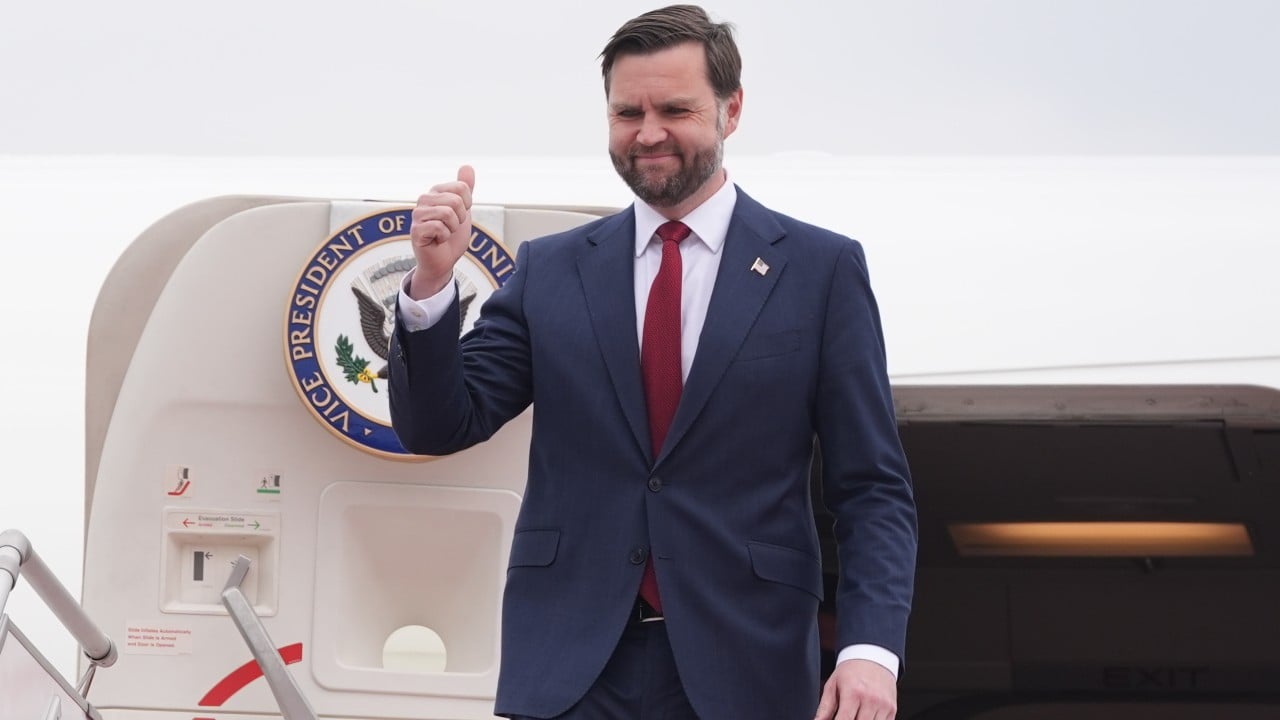
American and Iranian negotiators are scheduled to meet in Islamabad on Saturday in the first direct talks since the strikes began six weeks ago, which makes this less a photo-op than a stress test for the ceasefire Pakistan brokered two weeks ago. J.D. Vance is leading the US side. Iran has sent parliament speaker Mohammad Bagher Ghalibaf, and the arguments are already visible before anyone sits down. Tehran wants movement on Lebanon and detainees. Washington wants Iran to curb the regional campaign it says kept the war spreading after the first exchange of strikes. That is why this meeting matters. A real channel between the two governments has been missing for decades, and both sides are entering with incompatible public demands, domestic hawks behind them, and a ceasefire that still looks more like an armed pause than a settled deal.
The war began after US and Israeli strikes on Iran in late February. Pakistan then brokered a two-week ceasefire, but its scope stayed fuzzy, especially around shipping in Hormuz and whether Lebanon was covered.
Artemis II splashed down in the Pacific on Friday evening after a nearly 10-day trip around the Moon, closing the first crewed lunar mission since Apollo with the kind of clean ending NASA badly needed. The crew did not land or even enter lunar orbit, but they flew farther from Earth than any humans have gone before, tested Orion in deep space with people on board, and returned without a visible mission-ending failure. That is the good news. The hard part starts now. NASA still has to prove it can turn a dramatic flyby into the logistics of a real landing program: a lunar Starship that works, spacesuits that are ready, a schedule that survives budget fights, and an agency that can defend both Artemis and its science portfolio at the same time. Friday's splashdown felt like a finish. It was really a handoff to the harder phase.
Artemis II launched on April 1 and flew a crew of three Americans and one Canadian around the Moon. Artemis III is supposed to be the landing mission, but it depends on hardware and budgets that are still under pressure.
US consumer prices were up 3.3 percent from a year earlier in March and 0.9 percent from February, according to Friday's CPI release, with energy doing much of the damage. The timing matters. The market had already been bracing for a Hormuz-driven oil shock, and the report shows the first broad pass-through into the basket households actually feel: gasoline, transport costs, and the knock-on effect from petroleum-heavy inputs. That does not mean every category suddenly got hot. It means a single geopolitical choke point is starting to reprice the boring parts of life, which is exactly how inflation gets politically toxic. The Fed now has a worse setup than it wanted. Growth is soft, consumers are already squeezed, and the latest inflation jump came from a supply shock rather than demand that higher rates could cool cleanly.
The Strait of Hormuz handles a large share of world oil and LNG shipments. When conflict threatens traffic there, fuel costs usually move first, then spread into transport, manufacturing, and consumer prices.
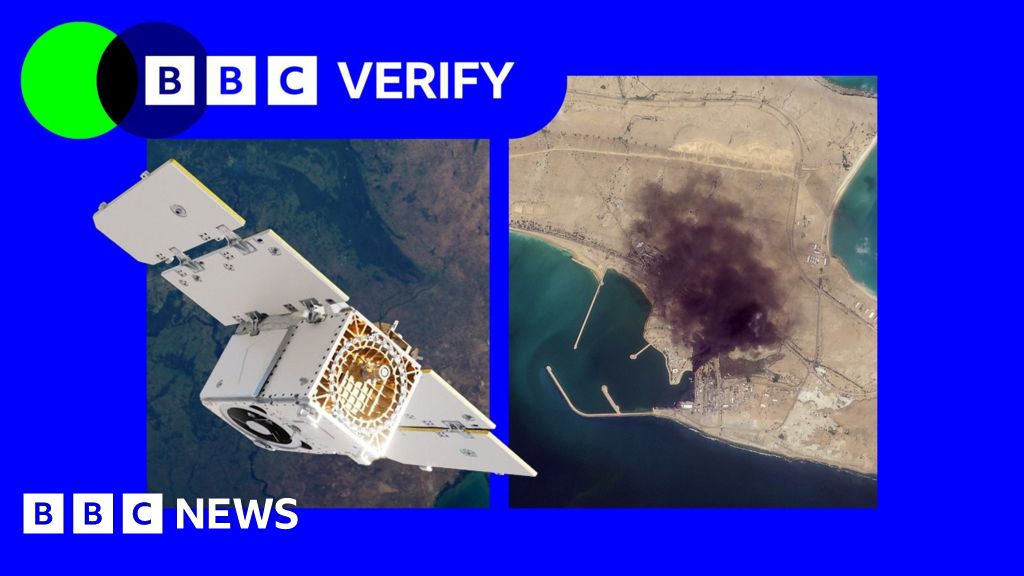
Planet Labs says it will keep withholding imagery of Iran and much of the surrounding conflict zone after a request from the US government, a decision that has alarmed researchers who use commercial satellites to verify battlefield claims and document damage. This is not a small niche fight inside the space business. Cheap, frequent commercial imagery changed war reporting because governments no longer had a monopoly on overhead evidence. Analysts, journalists, and open-source investigators could check what had actually been hit, whether claims about military targets lined up with visible damage, and how much of a war was being hidden behind official statements. Planet says it is trying to prevent harm during an active conflict and may release images case by case. Critics hear something else: a private company helping turn the public record blurry at the exact moment outside verification matters most.
Commercial satellite firms became central to open-source war tracking in Ukraine, Gaza, and elsewhere. Planet's current restriction covers imagery dating back to March 9 and has no fixed end date.
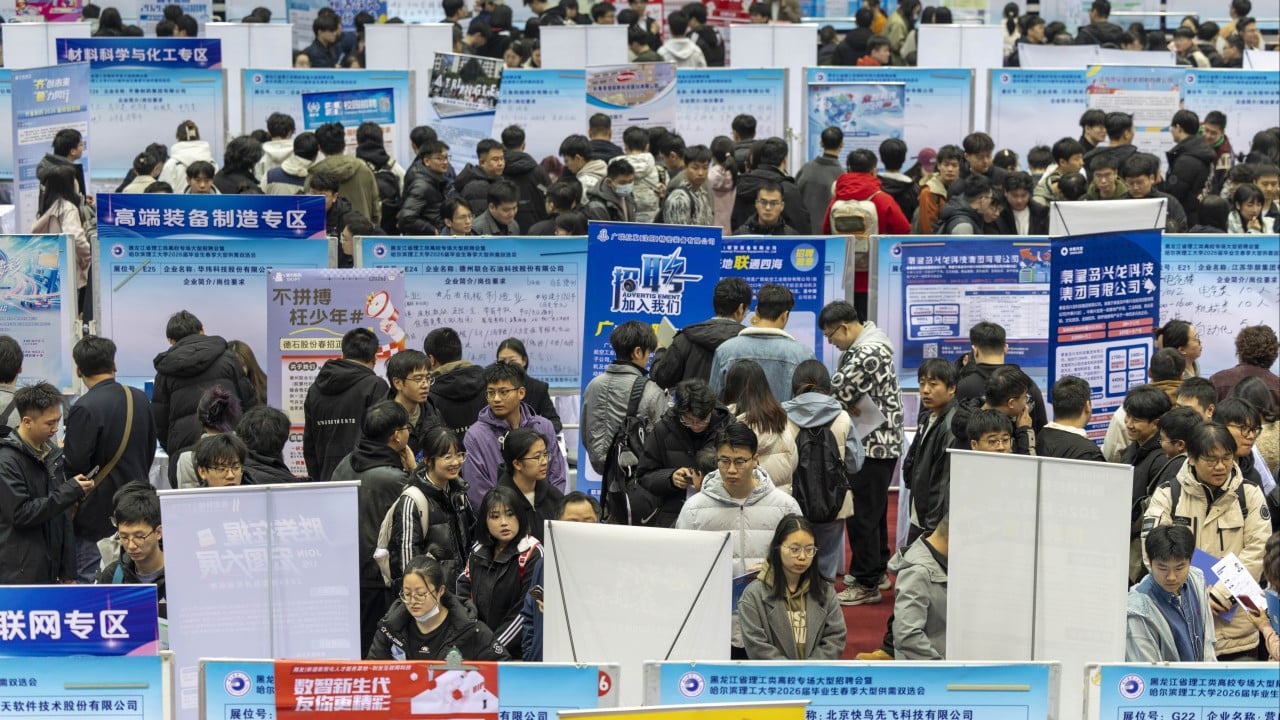
China's Ministry of State Security is warning university students that apparently harmless side gigs, such as remote data labeling, paid research assistance, or high-wage "information consulting," may actually be recruitment funnels for foreign intelligence services. The ministry's examples were plain on purpose: a few hundred yuan a day, light work, no office, no obvious risk. That is exactly the kind of offer a graduating student in a weak job market might treat as a lucky break rather than a trap. Beijing is clearly trying to push counter-espionage deeper into ordinary campus life, not just elite labs or defense contractors. The message is that sensitive information now includes research notes, industrial data, internal campus materials, and the kinds of small datasets people often move around without thinking too hard. In other words, the state wants students to treat freelance digital work as a national-security surface.
China has spent the past year expanding public counter-espionage messaging, often blending real security concerns with a broader push for political vigilance in workplaces, schools, and online platforms.
Patients in California are suing health providers over ambient AI transcription tools that allegedly recorded appointments and sent the audio to outside systems without meaningful consent, turning a promised convenience feature into a privacy fight. The complaint is not just that software wrote notes. It is that deeply sensitive conversations about symptoms, diagnoses, medications, trauma, and family history may have been processed beyond the exam room in ways patients did not understand and might never have agreed to. That lands differently in medicine than in an office meeting. Clinical trust depends on people saying the awkward thing, the embarrassing thing, the detail they almost left out. If patients start thinking every visit is also a training set or a vendor workflow, some of that candor disappears. Hospitals love these tools because they cut paperwork. The lawsuit asks whether cutting paperwork is enough reason to rewrite the consent boundary around care.
Ambient clinical scribes listen to conversations and draft notes automatically. Hospitals have embraced them as a fix for physician burnout, but privacy law gets murkier when recordings and transcripts pass through outside vendors.
Viktor Orbán is heading into Sunday's Hungarian election as the man who has dominated the country's politics for 16 years, but for once the atmosphere is not inevitability. Péter Magyar's Tisza movement has drawn large crowds, led or tied in some polls, and persuaded opposition voters that this race might be more than another ritual in a system Orbán spent years bending to his advantage. That is the real story. Hungary has held elections before; the question now is whether an opposition campaign can still translate visible public anger into power inside a state whose media, institutions, and business patronage networks were reshaped around one leader. Orbán is campaigning as the guarantor of stability in a dangerous region. Magyar is selling something simpler: exhaustion with permanent one-man rule. If the challenger falls short, Orbán's model looks durable again. If he wins, one of Europe's longest-running illiberal projects breaks open overnight.
Orbán has led Hungary since 2010 and used repeated electoral wins to tighten control over media, courts, and state patronage. The parliamentary election is set for Sunday, April 12, 2026.
At oral argument on Friday, judges on the Court of International Trade seemed uneasy with the Trump administration's claim that Section 122 lets the president slap wide tariffs on the theory that a trade deficit counts as a balance-of-payments emergency. That legal move matters far beyond one case. If the court accepts it, the White House gets a fresh path back to tariffs after earlier rulings knocked down much of Trump's broader trade program. If the court rejects it, one of the administration's fallback tools starts to look shaky too. The problem for the government is that the statute was written for short-term crises, not as a standing license to treat persistent deficits as emergency conditions whenever convenient. Markets care because tariff policy no longer looks like a clean executive-power story. It is turning into a rolling fight over how many old laws can be stretched to rebuild trade barriers by another name.
The Supreme Court previously narrowed other Trump tariff theories, so Section 122 became the next test case. That law allows temporary action on balance-of-payments problems, but its modern scope has rarely been pushed this far.
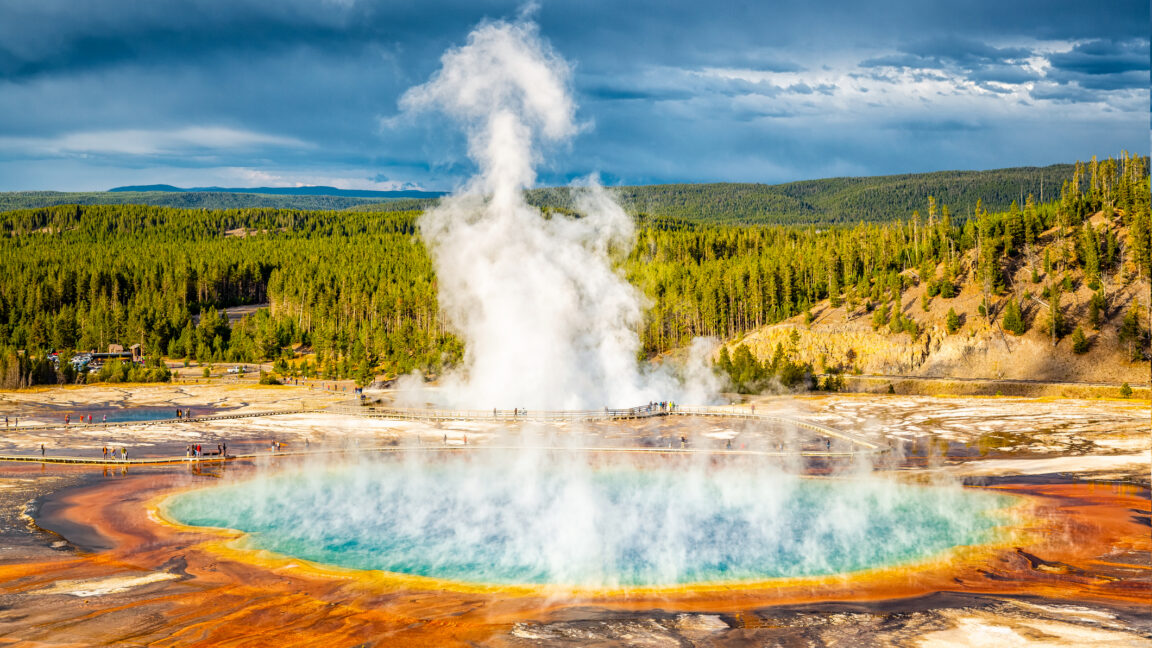
For years the standard Yellowstone story has been a giant hot plume rising from deep inside Earth and punching up beneath the park. A new paper argues the engine may be much messier and, in a way, more interesting: old tectonic structures left by a vanished plate may have weakened the crust enough to let magma keep finding its way upward without requiring the neat cartoon of a single deep blowtorch. That does not make Yellowstone less dangerous or less strange. It changes the explanation for why this one patch of continent stays volcanically alive. Geologists care because plume stories are tidy and portable; you can apply them to places all over the world. A crustal-history story is fussier. It says the present depends on long-buried accidents of continental assembly, subduction, and breakage. Yellowstone then stops being just a hotspot and starts looking like a scar that never really closed.
Yellowstone's geothermal system has long been tied to the hotspot model, where a mantle plume feeds volcanism from deep below. The new argument shifts attention toward the crust and the region's older tectonic history.
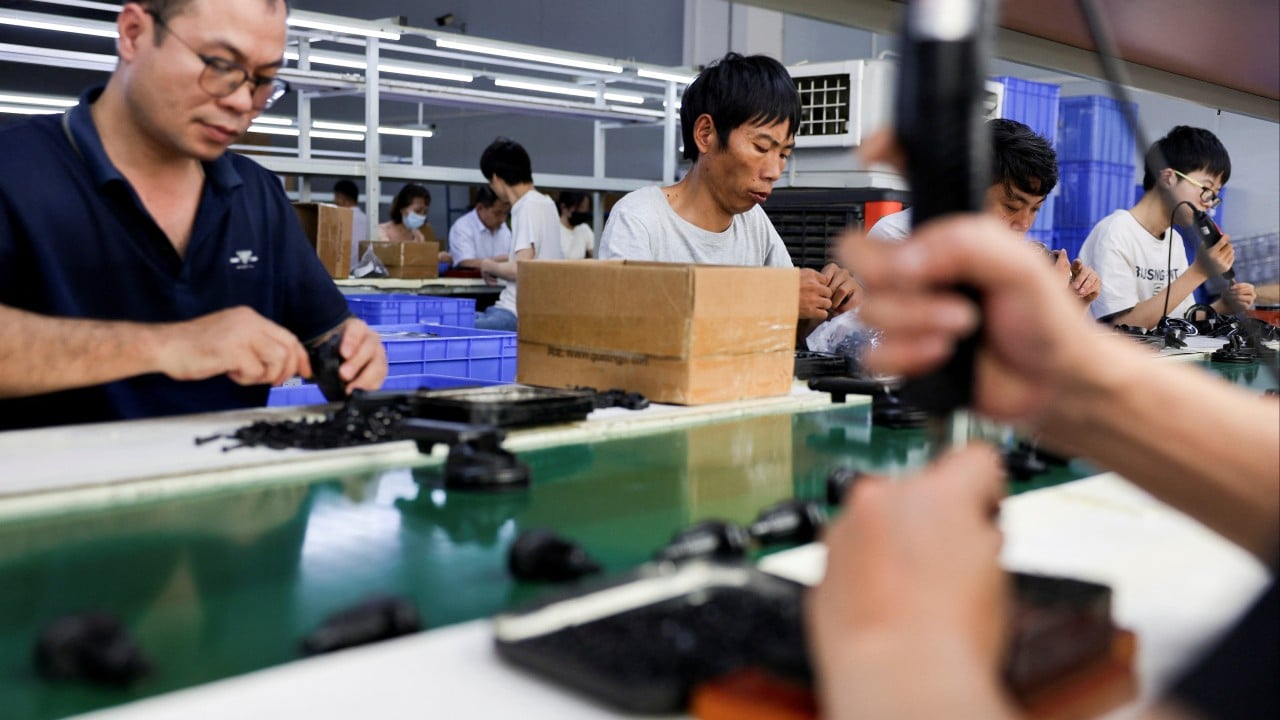
The Hormuz crisis is no longer just a shipping headline for Chinese factories. According to SCMP's reporting from manufacturers and industry groups, higher oil prices are already feeding into freight bills, processed fuel, and petroleum-based inputs such as plastics and synthetic materials, pushing some firms to delay shipments or cancel orders outright. That is a useful window into how geopolitical shocks turn into industrial pain. China imports huge volumes of energy, runs on tight manufacturing margins, and sits in the middle of supply chains where a small cost jump can erase profit on an order that looked fine two weeks earlier. So while diplomats talk about ceasefires, managers are doing arithmetic. Can we still make this batch? Can we still ship it? Can we eat the fuel surcharge? Once those answers turn negative, the war stops looking distant and starts appearing in invoices, warehouse schedules, and factory cash flow.
The Strait of Hormuz is a narrow passage for Gulf energy exports. Repeated threats to close or tax transit there have made oil buyers, shippers, and manufacturers price in instability even during the current ceasefire.