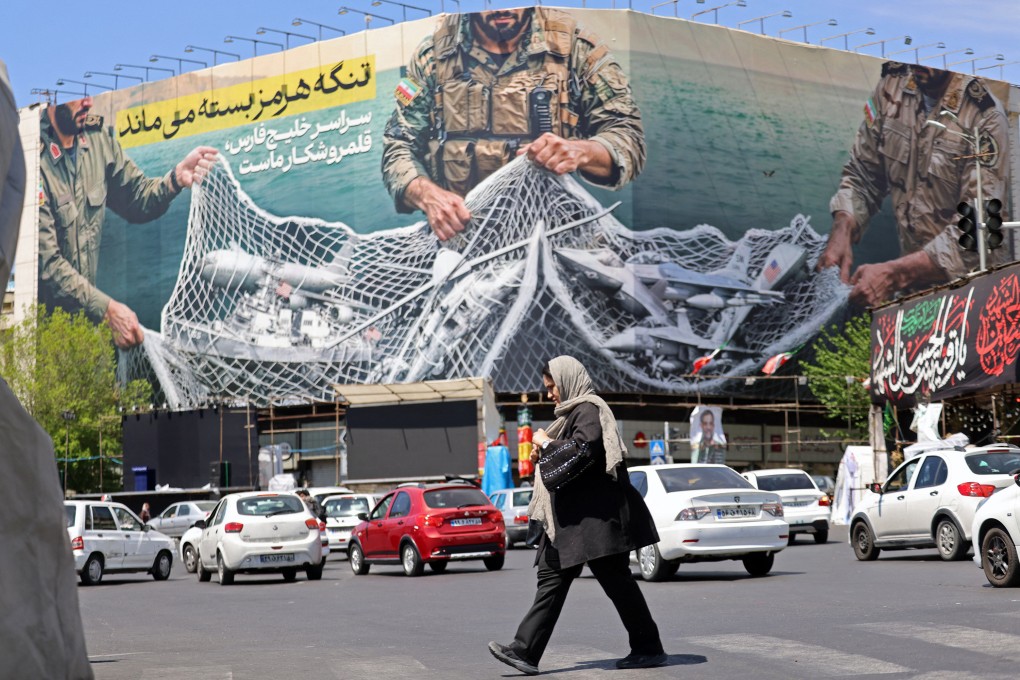
The US launched a naval blockade of Iranian ports on Monday, escalating the conflict over the Strait of Hormuz after weekend peace talks in Pakistan collapsed on Saturday. The blockade is meant to keep pressure on Tehran, which threatened retaliatory strikes against Gulf shipping hubs. How fully the Navy can enforce the blockade remains an open question — Iran's coastline is long and the strait is narrow but busy. China's Foreign Minister Wang Yi called for "preventing the resumption of hostilities" and preserving ceasefire momentum. Trump claimed China "would like to see this ended." Pakistan, which hosted the failed talks, is continuing mediation efforts. The move comes after a ceasefire had been holding, and the breakdown centers on terms for permanently reopening the strait to commercial traffic. Oil markets will be watching closely: any sustained disruption to strait transit would squeeze roughly a fifth of global supply.
The US and Iran have been fighting over control of the Strait of Hormuz, a chokepoint for about 20% of global oil trade. A ceasefire had been in place, but talks aimed at a permanent resolution broke down Saturday in Pakistan.
Pope Leo XIV, the first American pope, fired back at Trump from the papal plane on Monday as he departed for a 10-day Africa tour spanning Algeria, Angola, Equatorial Guinea, and Cameroon. Leo had called on Trump to end the Iran war and accused the US and Israel of acting under a "delusion of omnipotence." Trump responded Sunday by calling Leo "weak on crime," "terrible," and "very liberal," adding that the pope was "catering to the Radical Left." Leo was unbowed: "I have no fear of the Trump administration, or speaking out loudly of the message of the Gospel." Trump also posted an AI-generated image of himself as Jesus Christ, which drew sharp criticism from Christian conservatives in his own base. Born Robert Louis Prevost in Chicago, Leo was elevated in May 2025 and has been a consistent critic of the Iran war since taking office.
Pope Leo XIV (Robert Louis Prevost) became the first American to lead the Catholic Church when he was elected in May 2025. He has repeatedly called for a ceasefire in the US-Iran conflict.
Columbia, Brown, and UPenn have all made concessions to the Trump administration under threat of losing federal funding and accreditation: dismantling DEI offices, severing ties with a Palestinian university, adjusting campus policies. Elise Stefanik led the congressional charge. The Dispatch examines the domino effect now spreading to smaller institutions and poses the central question: are these changes real reforms or survival tactics that universities will quietly reverse once Trump leaves office? The piece suggests the answer depends on whether the pressure produces genuine institutional change or just compliance theater. The pattern is familiar from corporate diversity pledges after 2020 — adopted fast, abandoned faster. Universities face a harder version of that calculation because federal research funding and student financial aid hang in the balance, making defiance genuinely costly rather than merely uncomfortable.
The Trump administration has threatened to pull federal funding and accreditation from universities that maintain DEI programs or fail to address campus antisemitism on the administration's terms.
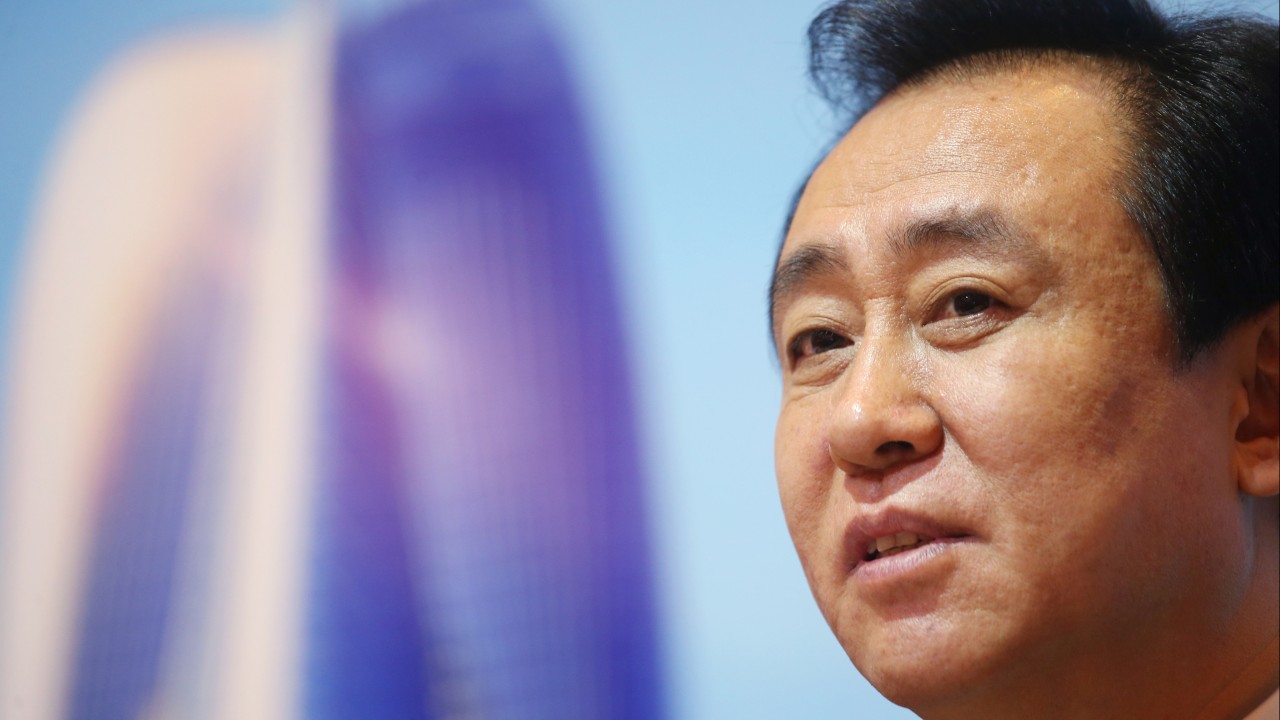
许家印 (Hui Ka-yan), founder and former chairman of Evergrande, pleaded guilty Monday at Shenzhen Intermediate People's Court to a sweeping set of charges: embezzlement of corporate assets, corporate bribery, fundraising fraud, illegal loan issuance, fraudulent securities issuance, and unlawful disclosure of material information. He expressed remorse during the two-day hearing. No sentencing date has been announced. Hui was once one of the richest people in China. Evergrande was once the country's largest property developer before collapsing under more than $300 billion in liabilities, an event that triggered China's property crisis and exposed the fragility of a sector that had represented roughly a quarter of the national economy. The guilty plea closes one chapter but the broader crisis — stalled construction projects, unpaid creditors, depressed housing demand — is far from resolved.
Evergrande's 2021 collapse set off a wave of defaults across Chinese real estate. The sector had been fueled by aggressive borrowing until Beijing tightened lending rules for developers, triggering a chain of failures.
After a man was arrested for allegedly traveling from Texas to California to kill Sam Altman and attack OpenAI's headquarters, Altman published a post asking the public to "lower the temperature" around AI and "channel concerns through democratic processes rather than violence." Casey Newton in Platformer argues this appeal rings hollow. Altman spent a decade describing AI development as "probably the greatest threat to the continued existence of humanity" — language that attracted talent, press attention, and billions in capital. Now that parts of the public have internalized those warnings and some respond with alarm, Altman objects to the temperature he helped set. Newton also points out that OpenAI actively fought California AI safety bills and used aggressive tactics against advocates for nonprofit oversight of the company. The piece frames Altman as wanting it both ways: existential rhetoric when it serves fundraising, calls for calm when it doesn't.
Daniel Moreno-Gama was arrested in early April after allegedly traveling to California with intent to kill Altman. OpenAI has simultaneously warned about AI risks and opposed regulatory oversight of its own operations.
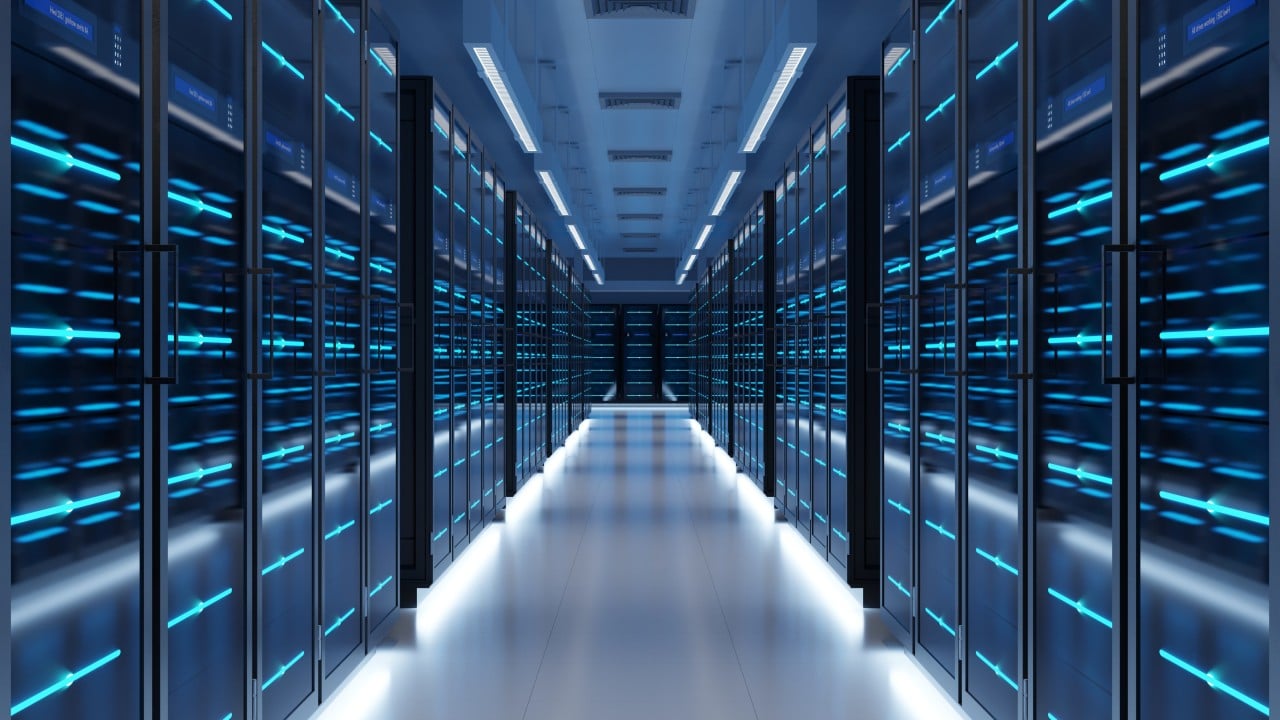
An Oxford Economics study finds China is profiting from the US AI infrastructure boom despite Washington's export controls. About $2 trillion in US data center projects are planned or underway, and roughly three-quarters of costs go to hardware — semiconductors, servers, memory chips, printed circuit board assemblies. Direct Chinese exports to the US have dropped, as intended. But China's exports to other Asian economies surged, and those same economies are supplying the American build-out. The supply chain reroutes through countries like Vietnam, Malaysia, and Thailand, keeping Chinese manufacturers in the loop without direct bilateral trade. It's a familiar pattern: trade restrictions shift the route, not the dependency. The finding complicates the narrative that tech curbs are decoupling the two economies in any meaningful sense for hardware supply chains.
Washington has restricted Chinese access to advanced US chips and limited Chinese tech exports, but global electronics supply chains are deeply interconnected across Southeast and East Asia.
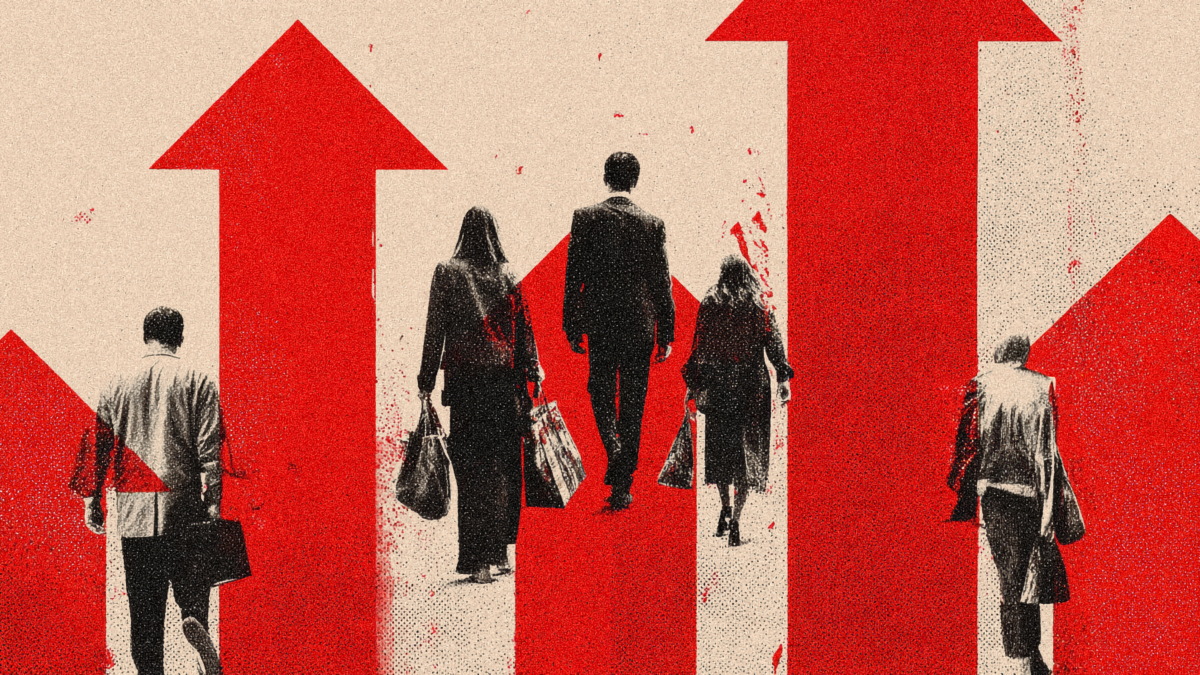
Three Federal Reserve economists published a study on April 8 — "Detecting Tariff Effects on Consumer Prices in Real Time: Part II" — finding that tariffs imposed in 2025 raised core goods inflation by 3.1% as of February 2026. That increase entirely accounts for excess inflation in that category since January 2025. Without tariffs, consumer goods prices would have fallen below pre-pandemic trend levels during 2025. The PCE price index stood at 2.8% year-on-year as of February 2026, still above the Fed's 2% target. The study isolates tariff effects from other price drivers, which makes the finding unusually clean: the gap between current inflation and the target is, in the goods category at least, attributable to trade policy rather than monetary conditions or supply-chain disruption.
The Fed targets 2% inflation measured by the PCE index. Post-COVID inflation had been gradually falling toward that target before the Trump administration's 2025 tariffs introduced a new upward force on prices.
Life Biosciences is about to test "partial reprogramming" in humans for the first time. Up to 12 glaucoma patients and 6 with acute optic nerve damage will receive three Yamanaka factors delivered by virus into retinal cells. The goal: temporarily revert those cells toward a younger state without fully resetting them to stem cells. The approach was pioneered by Yuancheng Ryan Lu at the Whitehead Institute and David Sinclair at Harvard Medical School. A genetic switch triggered by antibiotic controls how far reprogramming goes — that off-switch is the safety mechanism, because full reprogramming risks cancer. The factors interact with epigenetic marks on DNA, reversing age-related chemical changes that accumulate over a lifetime. The eye was chosen because it's accessible, enclosed, and easier to monitor than other organs. Full-body treatment remains too dangerous for now.
Shinya Yamanaka discovered in 2006 that four transcription factors can revert adult cells to an embryonic-like state, winning the 2012 Nobel Prize. Partial reprogramming uses those same factors but stops short of full reversal to preserve cell identity.
The Pixel 10 is the first phone with Rust code running inside its cellular modem. Google rewrote the modem's DNS parser using the hickory-proto library, adapted for embedded systems with no standard OS. When DNS data arrives at the modem, it passes through the Rust parser, which calls back into the existing C codebase. The change adds 371 KB to firmware. Cellular modems are high-value targets because they handle untrusted data from external networks — Google's own Project Zero team previously demonstrated remote code execution on Pixel modems over the internet. The rewrite eliminates an entire class of memory-safety vulnerabilities in that attack surface. It's a small footprint change rather than a full rewrite, which makes it interesting as a model: you don't have to replace legacy C wholesale, just harden the parts that parse attacker-controlled input.
Cellular modems run mostly legacy C and C++ code that is fast but prone to memory-safety bugs. Rust prevents those bugs at compile time without sacrificing performance, making it attractive for security-critical components.
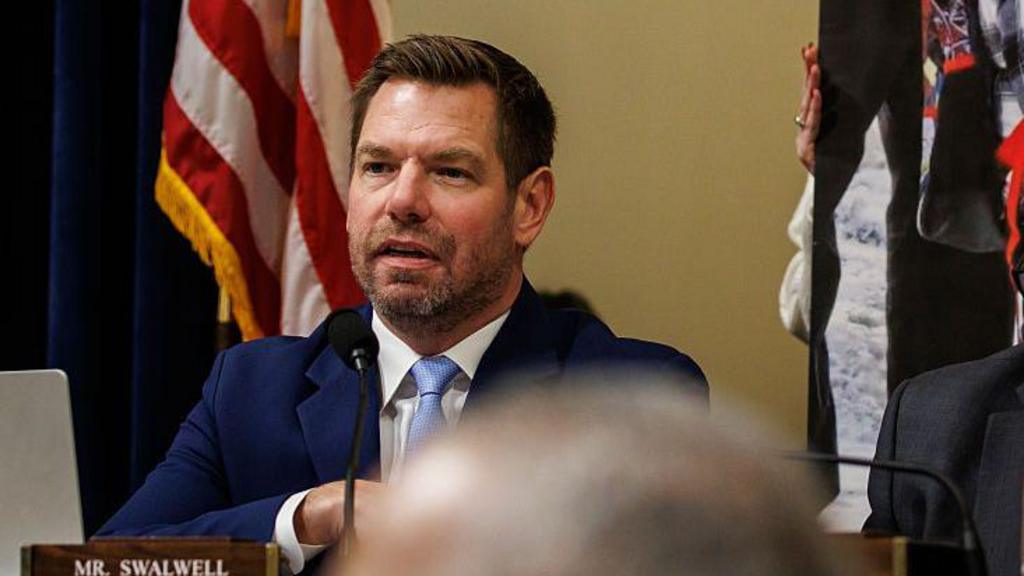
Two members of Congress resigned on the same day over sexual misconduct allegations. Rep. Eric Swalwell (D-CA) stepped down Monday afternoon after the San Francisco Chronicle and CNN published accounts from four women alleging conduct ranging from sexual harassment to rape. Swalwell denied all allegations. His resignation also ended his campaign for California governor, throwing the Democratic field into disarray — he had been considered a top contender for the 2026 race. Hours later, Rep. Tony Gonzales (R-TX) announced he would file his retirement the next day. Gonzales had previously acknowledged an affair with a staffer who later died by suicide and had already dropped his reelection bid. Swalwell had run for president in 2019 and was a familiar face on cable news. Gonzales represented a sprawling border district in South Texas.
Swalwell, who briefly ran for president in 2019, was a prominent House Democrat and had been considered a leading candidate for California's 2026 gubernatorial race. Gonzales represented a large district along the Texas-Mexico border.